
In the next presidential election, Generation Z and millennials are expected to make up the majority of voters for the first time.
However, Gen Z voters are not just waiting on the political sidelines for their moment in 2028. They are already here, not just marching, posting, or showing up in exit polls, but staffing city halls, directing field programs, in and running for Congress, and pushing parties to rethink messages that worked for older voters but that no longer resonate.
The open question, according to analysts, is whether political parties will treat them as the core of the electorate they are about to become or keep talking to them as an afterthought.
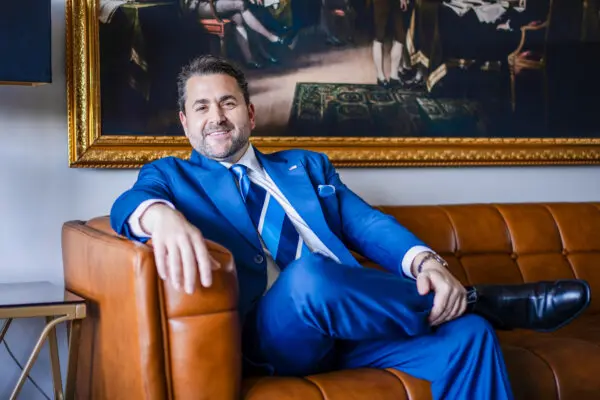
Gen Z came of age during the Great Recession’s aftermath, years that included school shooting drills, the rise of social media, the COVID-19 pandemic, and sharp rises in housing and college costs, said Democratic strategist Adin Lenchner, founder of Carroll Street Campaigns in the New York City borough of Brooklyn.
Lenchner said many of today’s political leaders “fundamentally do not understand” what it means to attend school on Zoom, live with constant online attention, or grow up with viral videos of violence and warnings of climate disaster.
“There is a gap between the urgency of their experience and an older generation that is lethargic about adjusting [its] perspective and policy agenda to meet that moment,” he told The Epoch Times.
In his view, Gen Z’s response is simple.
“They are taking the future into their own hands,” he said.
The younger cohort, Gen Z, is commonly defined as people born between 1997 and about 2012, following millennials, born between 1981 and 1996.
That scale is already reshaping politics.
But Lenchner said it is a mistake to treat Gen Z as if it is just now “rising.” He described its presence instead as part of “the natural cycle of political life,” but one that older elites are only noticing now through a generational lens.
A Large, Impatient, and Mixed Cohort
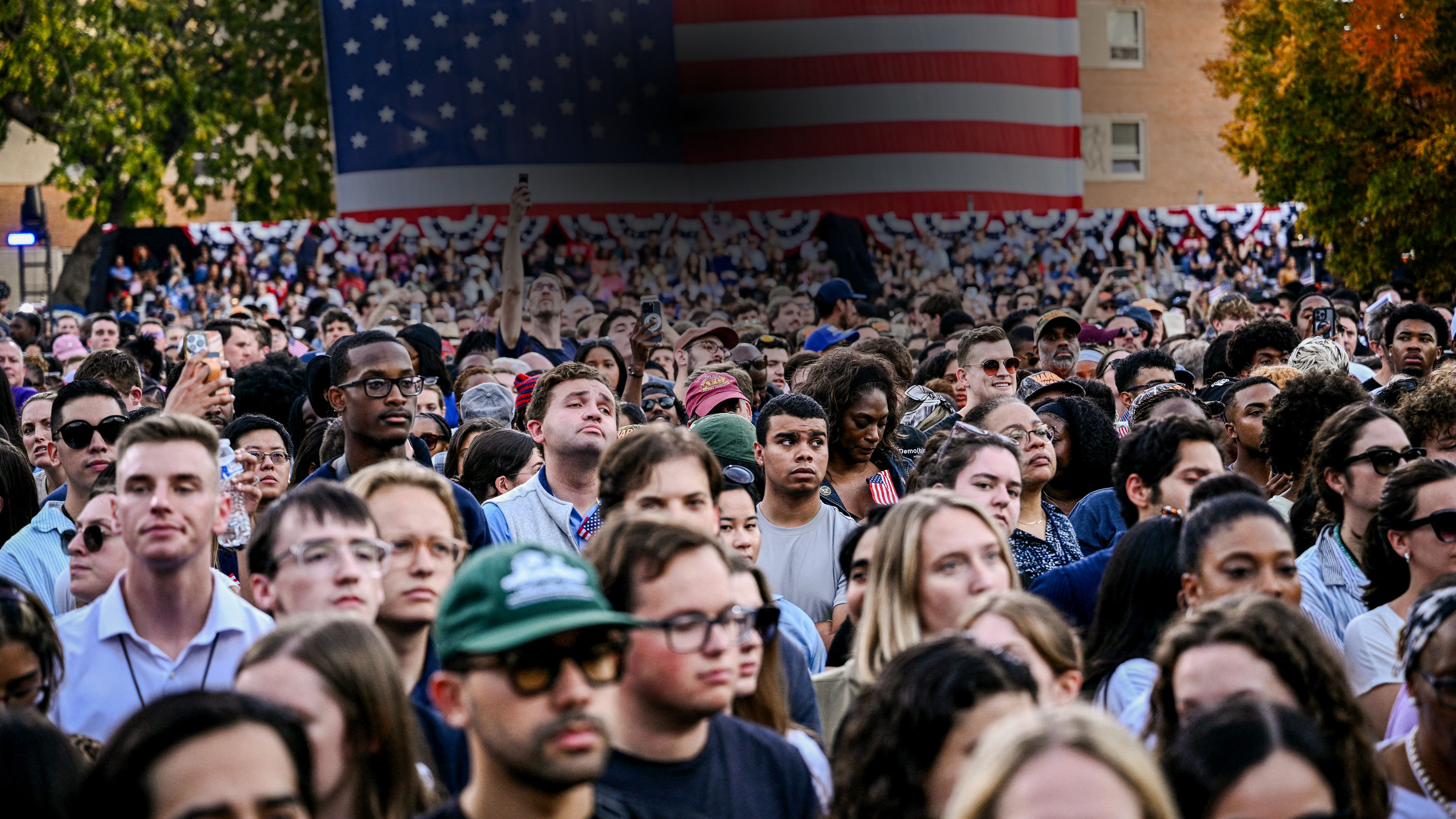
Although slightly fewer Americans aged 18 to 29 voted in 2024 than in the record year of 2020, in some key battleground states, youth turnout was actually higher, according to estimates by CIRCLE.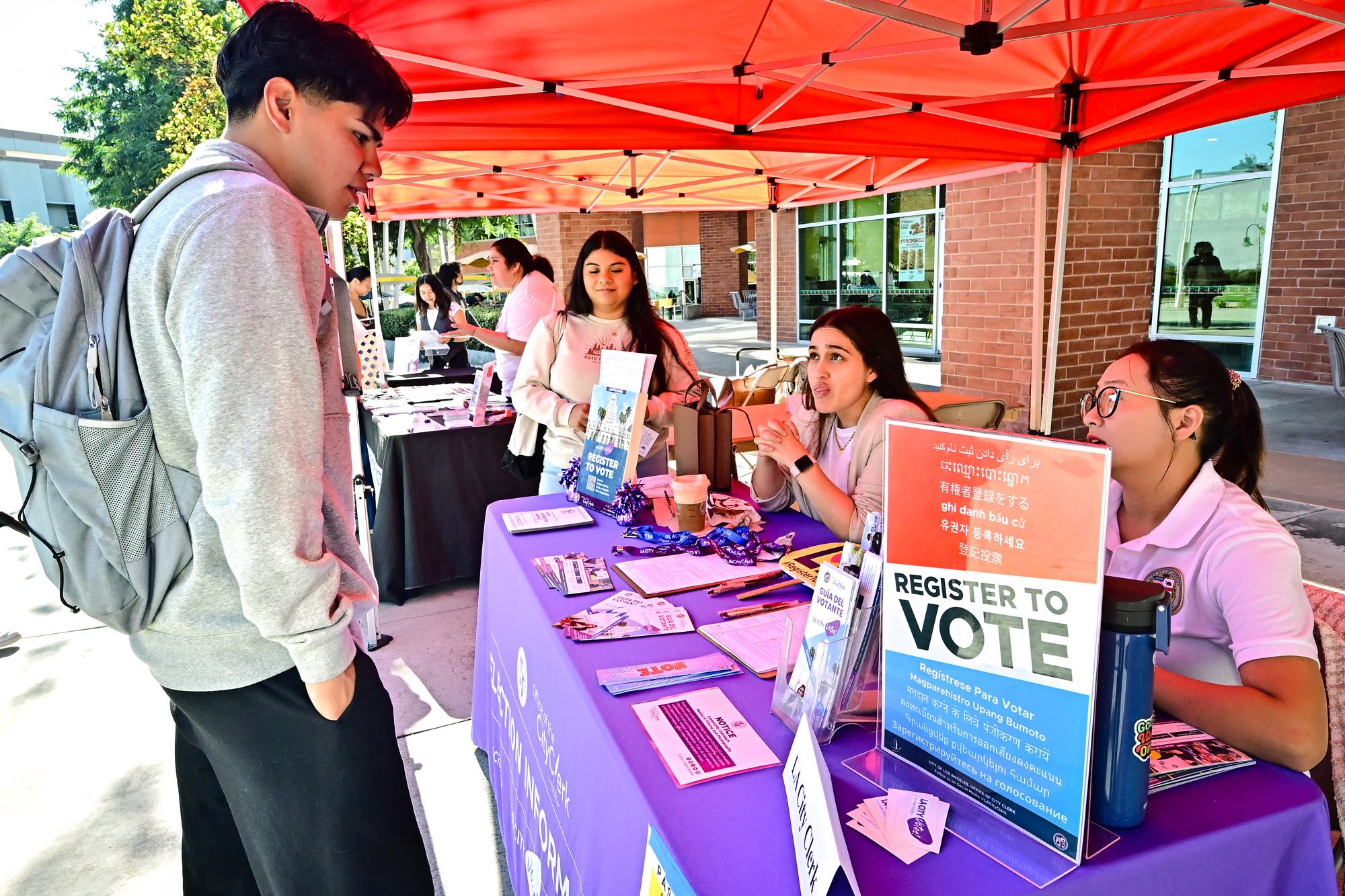
The same survey found that most engagement happens offline, with 77 percent of respondents saying that they are more likely to have difficult conversations in person than online, in part because they fear backlash or “saying the wrong thing” on social media.
Democratic strategist Max Weisman, who works in Philadelphia city government, told The Epoch Times, “I’ve seen too many times online and in person, we talk to young people about ‘young people issues.’”
‘Some Conservative Views’
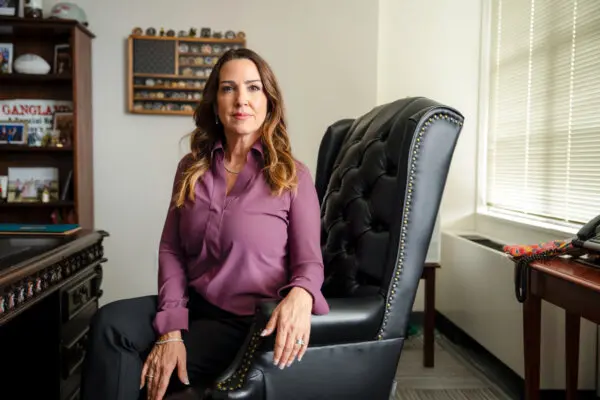
For Democrat Ashleigh Ewald, 23, the issue that pushed her into politics was the foster care and adoption system she experienced as a child.Ewald is a graduate student in public policy at Georgia Institute of Technology and the former state director of Voters of Tomorrow’s Georgia chapter. She told The Epoch Times that she “fell through the cracks of systems that are supposed to protect you” and decided by middle school that she wanted to work in policy so fewer people would face the same instability.
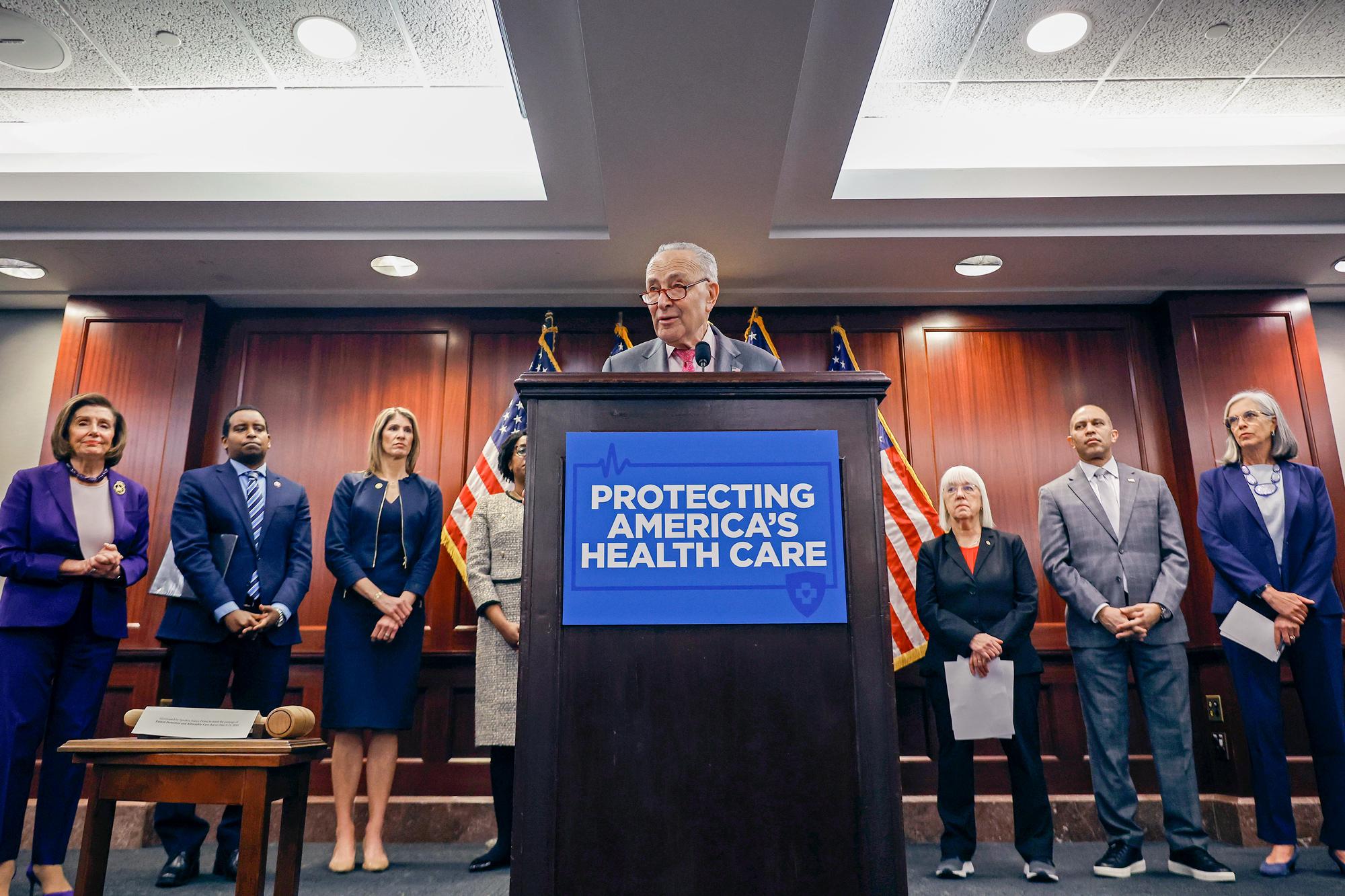
As a young adult, Ewald created content for then-Vice President Kamala Harris’s 2024 campaign in Georgia. She appeared in videos with Harris and other Democratic leaders promoting the Affordable Care Act’s rule that young adults may remain on their parents’ health plans until age 26.
Gen Z is more politically mixed than many assume, Ewald said. She described a personal shift away from heavy Democratic activism toward “exploring all of my beliefs” and focusing on policy research as she pays bills and rent.
She said she is certain that “many, if not most,” Gen Z voters have some conservative views, noting that she once feared being “canceled” if she spoke openly about those views. She said she worries that many young people form opinions based on social media “rage bait,” without checking sources.
Weisman said young voters are both more open about mental health and trauma and more cynical about institutions than previous cohorts.
Parties Still Talk Past Them

Both major U.S. parties have said they see the stakes. Democrats credentialed hundreds of digital creators for their 2024 convention and leaned heavily on TikTok, Instagram, and YouTube personalities to reach younger voters, alongside traditional campus outreach.
Republicans, led by President Donald Trump, focused on podcasts and livestreams popular with young men. Trump appeared on shows hosted by online personalities such as Adin Ross and worked with his son Barron Trump, a Gen Z voter, to court influencers who could pull in younger audiences.
Kiersten Pels, a spokeswoman for the Republican National Committee, told The Epoch Times that the party sees an opportunity to reach Gen Z voters. The Democratic Party has “abandoned” Gen Z, Pels said.
“Democrats are more focused on fringe cultural battles and catering to illegal immigrants than improving life for young Americans,” she said. “And when young people dare to think independently, Democrats brand them as extremists.”
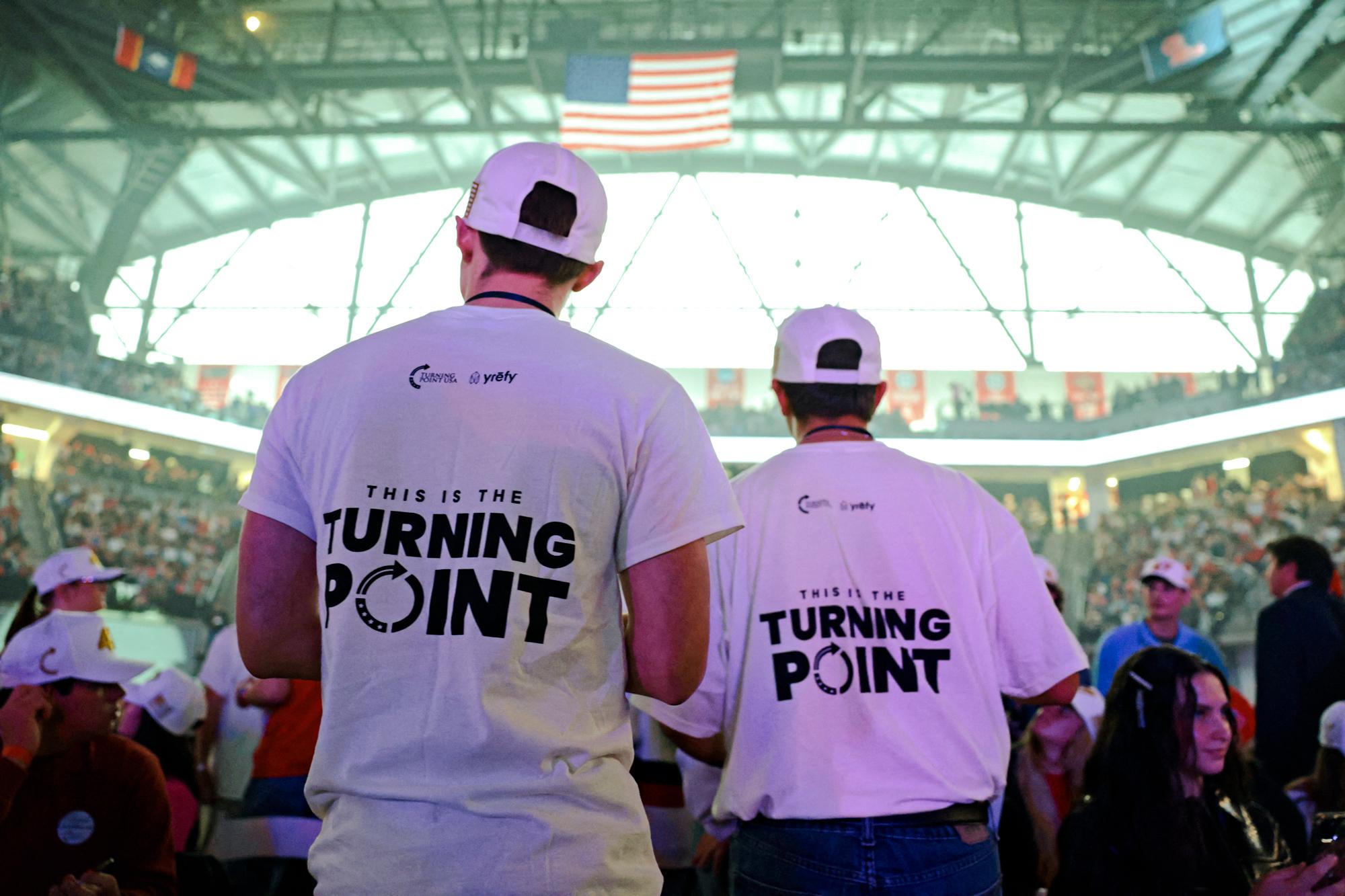
The Republican National Committee is exploring new platforms, including TikTok, according to Pels. It is also looking to outside groups such as Turning Point USA for more targeted youth outreach.
The Democratic National Committee did not respond to a request for comment from The Epoch Times on the party’s strategy toward Gen Z.
Weisman, the Democratic strategist, argued that both parties still treat young voters in a “transactional” way, flying into battlegrounds with influencers during campaign season but failing to maintain relationships at other times.
Building on Earlier Movements
Lenchner said Gen Z’s political involvement with Democrats rests on a decade of youth-led movements that began when many current Gen Z activists were still in grade school: the Dreamers who pushed for protections for young illegal immigrants, the Black Lives Matter protests, Occupy Wall Street, and the March for Our Lives movement led by survivors of the Parkland, Florida, school shooting.He pointed to figures in New York City such as Rep. Alexandria Ocasio-Cortez (D-N.Y.) and Mayor-elect Zohran Mamdani as examples of young leaders—Ocasio-Cortez is 36, Mamdani is 34—who won primaries against longtime incumbents.
Losing those primaries, he argued, forced some older Democrats to pay attention. He pointed to former New York Gov. Andrew Cuomo, former Rep. Joe Crowley (D-N.Y.), and former New York state Sen. Jeff Klein as examples of politicians who “could not read the tea leaves” and lost to younger challengers who spoke more directly to the moment.
Despite those progressive wins, he said, “I don’t think progressives have a stranglehold on an entire generation.”
He noted that two people can live through the same “inciting moment” and respond in very different ways. Although the experience of student debt or COVID-19 pandemic lockdowns can push some young people toward stronger social programs, he said, it can move others toward skepticism of government and traditional higher education.

Quiet Shifts, Global Echoes
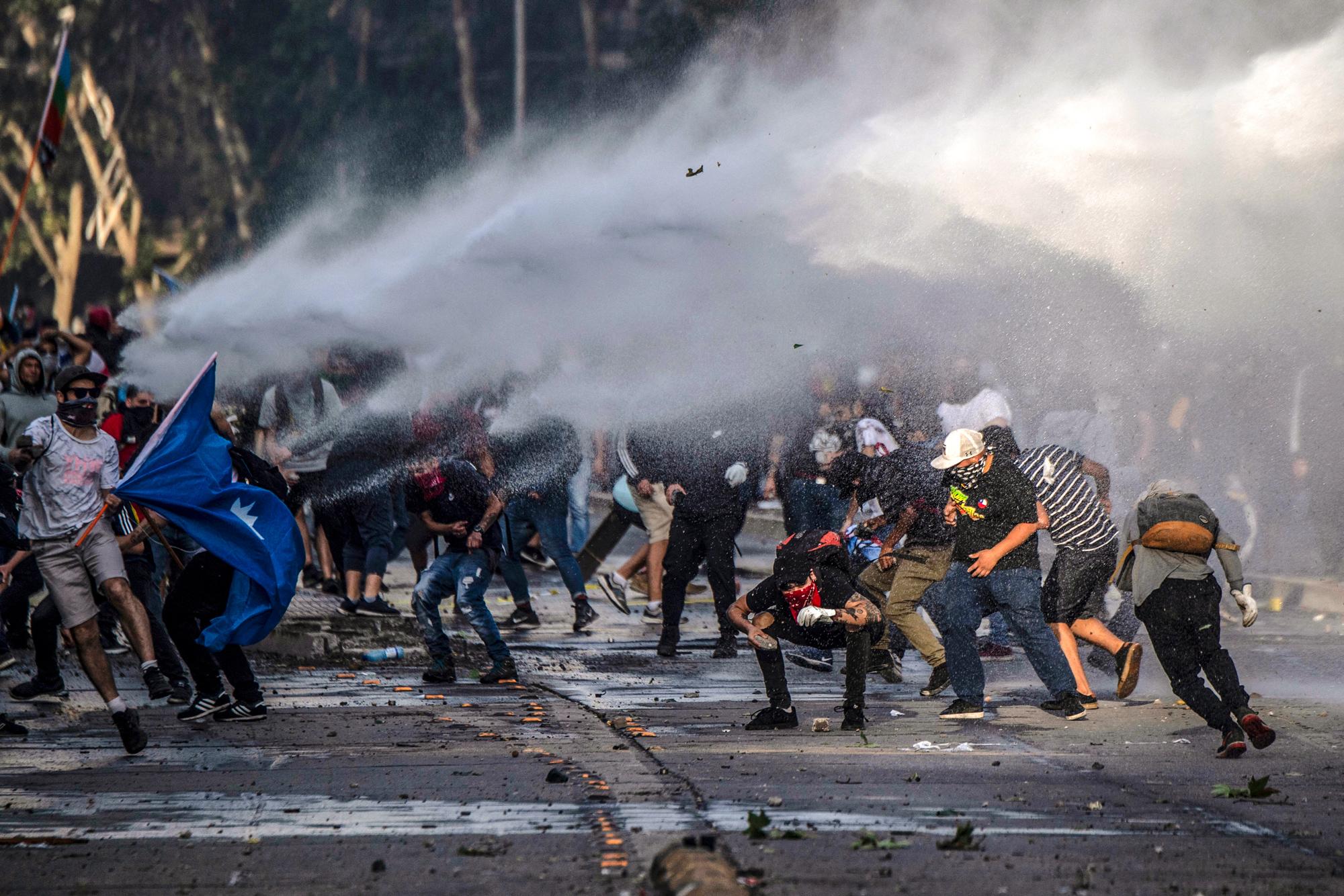
Outside the United States, the same generational undercurrent is visible. Cost-of-living pressures, culture war battles, and online influencers shape young voters, complicating the assumption that younger generations will uniformly favor progressive parties.
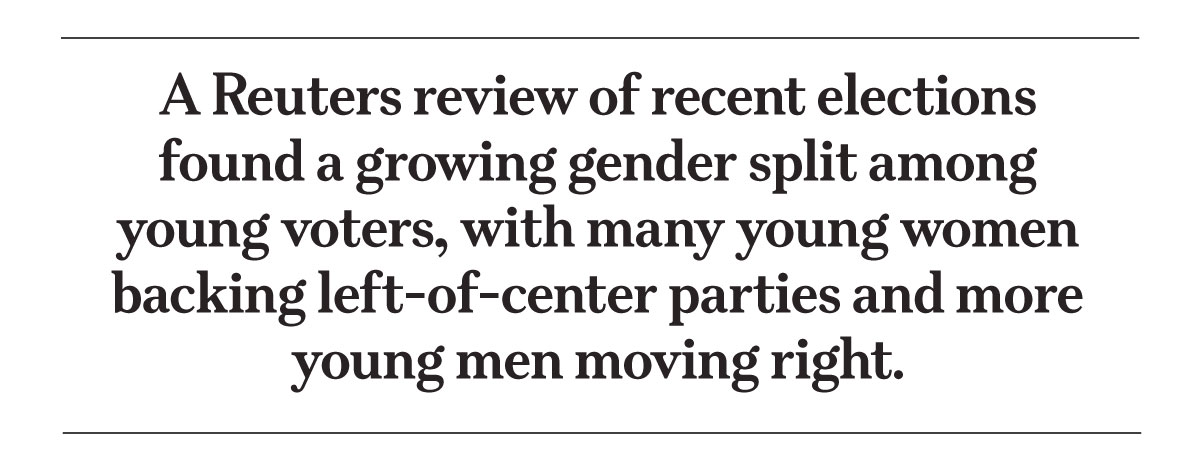
One trend emerging at elections in North America, Europe, and Asia is what is seen as a growing Gen Z “gender divide,” with many young women backing left-leaning parties and more young men shifting toward the right.
That analysis described “angry, frustrated men in their 20s” breaking to the right while many young women leaned left, complicating assumptions that younger voters would move in one ideological direction.
A Different Way of Campaigning
Back in the United States, both Weisman and Lenchner said, one of the biggest things older politicians misunderstand is how Gen Zers choose to “fight.”Weisman pointed to young creators who mix makeup tutorials or daily life videos with plain-spoken commentary on news and policy.
He argued that although Gen Z is often mocked on television and in sketches as uninformed or hypersensitive, the young voters he meets are “very knowledgeable” and better at setting boundaries than many older adults.
For the strategists, the main question is not whether Gen Z voters will shape politics, but how political parties will respond as they do.
For Pels at the Republican National Committee, the goal is to channel Gen Z’s frustration into support for a party that tells them that Democrats have “abandoned” them. For Weisman and Lenchner, the focus is on whether Democrats can define what a vote for their party “gets you as an American” in more concrete terms than merely opposition to Trump.
Lenchner said he believes that parties can adapt if they match younger voters’ sense of urgency and offer concrete plans.
At the same time, he said, he expects to see more cases in which Gen Z and younger millennials stop waiting on older leaders and start running for office themselves.
“Time will tell whether the response feels sufficient,” he said. “But we already know the answer to whether they are willing to take the reins themselves.”