
Late in life, my grandfather had a reputation for growing some rather large cloves of garlic, even winning a couple of local or rural county fair honors for garlic his friends had submitted the first time without him knowing. He actually hated the stuff and gave it all away, but the attention it drew compelled him to keep going. One of his “secrets” was nothing more than fairly common gardener knowledge: Cut off the scapes.
In botany, a scape is a long, leafless stalk that grows up directly from the underground bulb or base of a plant. Those hollow stems of a dandelion with the single flower at the end are technically scapes. Garlic scapes, on the other hand, are solid, but likewise rise from the base and produce a rounded sort of tear-drop-shaped bulge that will eventually bloom as a flower and finally produce tiny clove-like seeds called bulbils.
You can plant these seeds, but it will take two to three years for them to mature. The scape first curls into a pigtail as it grows. Cut this off early in the plant’s development, and all the energy the plant typically commits to the seeds of the next generation is instead given to forming a bigger underground bulb. These, too, grow into plants but in less than a year.
Harvesting Garlic Scapes
For a milder flavor, harvest them when they are young, bright green, and most flexible or tender. The older they get, the stronger the garlic flavor becomes and the harder or woodier they get. Cut them from the plant with scissors right above the highest pair of the plant’s leaves. Trim off any tough or woody sections at the bottom of the stem, the way you might with asparagus, and only use the tender upper parts. Some growers may clip off the developing bulge at the top, but if its protective, leaflike wrapping (spathe) hasn’t turned papery, there is no reason not to eat it. The thin, pointed, leafy tip above the bulge is usually the first thing to wither and dry out, much like the tops of green onions.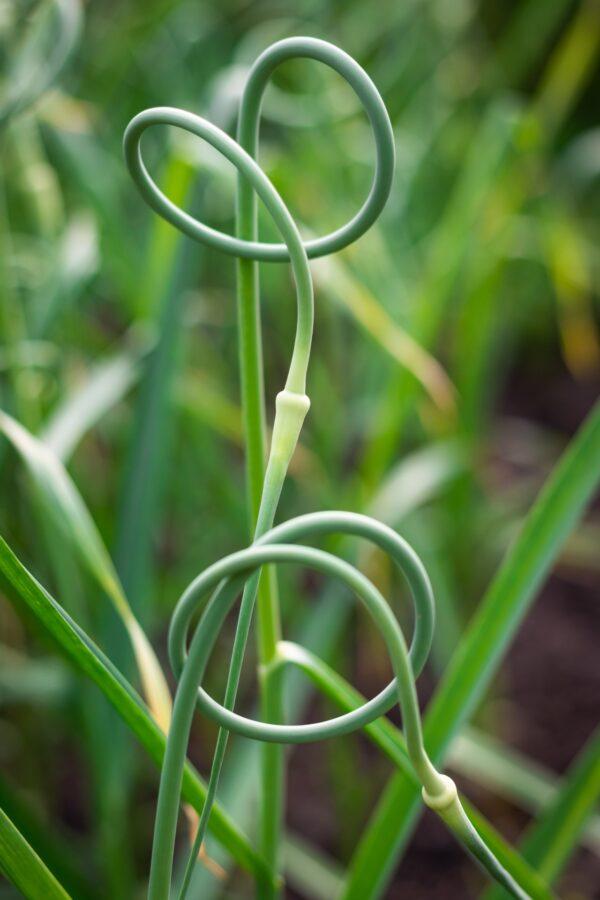
How to Use Garlic Scapes
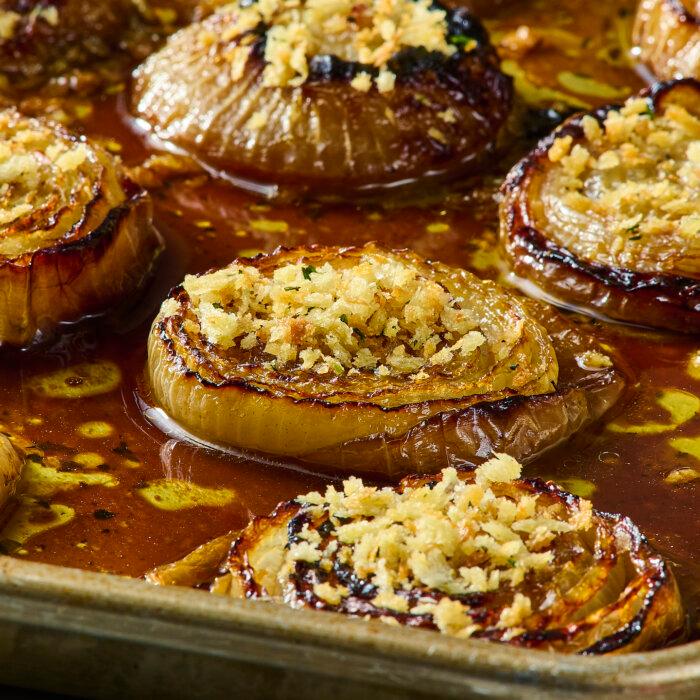
Extreme garlic fans may nibble on them as a snack (guilty as charged). The flavor works well in dishes as a garlic substitute, but the mildness and vegetal texture make it more versatile than cloves. Cut them into pieces appropriate for the dish you are making.Roasted: Mix the full scapes with good extra-virgin olive oil and a couple of pinches of sea salt or kosher salt to taste, then roast them, spread out on a pan lined with parchment paper, in the oven at 400 degrees F for 15–20 minutes, until slightly charred at the tips and a bit crunchy. A sprinkle of Parmesan, Grana, or Pecorino is a nice option, as is a sprinkling of lemon juice before serving. After roasting, the scapes can be eaten straight up as a vegetable side dish, like green beans, or added to fresh salads, omelets, scrambles, tacos, or even pizzas as a topping.
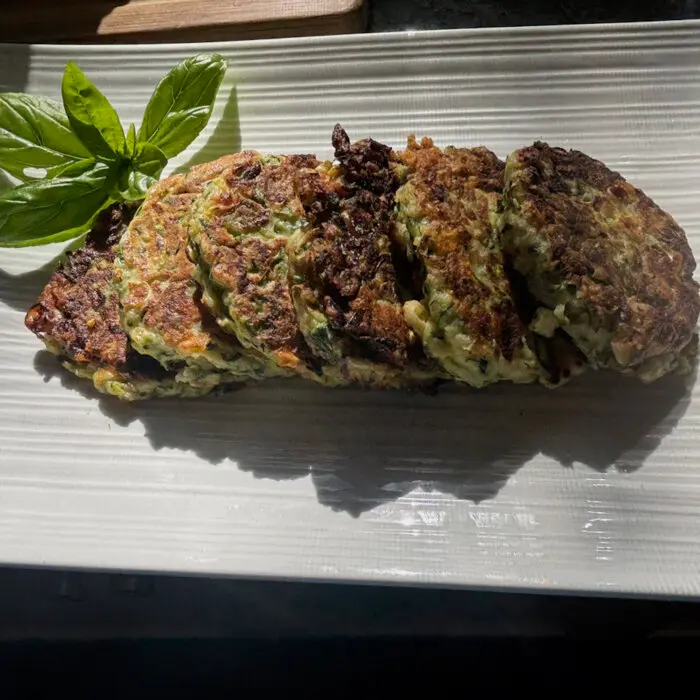
Stir-fry: Toss them into stir-fries as you would other vegetables about the same time you’d throw in onions. Try them with pea-pods and red onions, and optional chicken, shrimp, or beef as a protein.
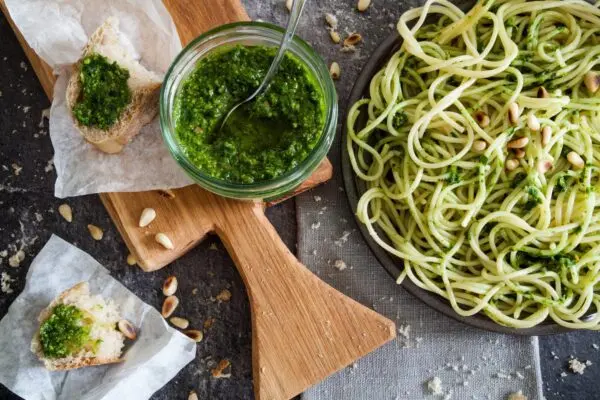
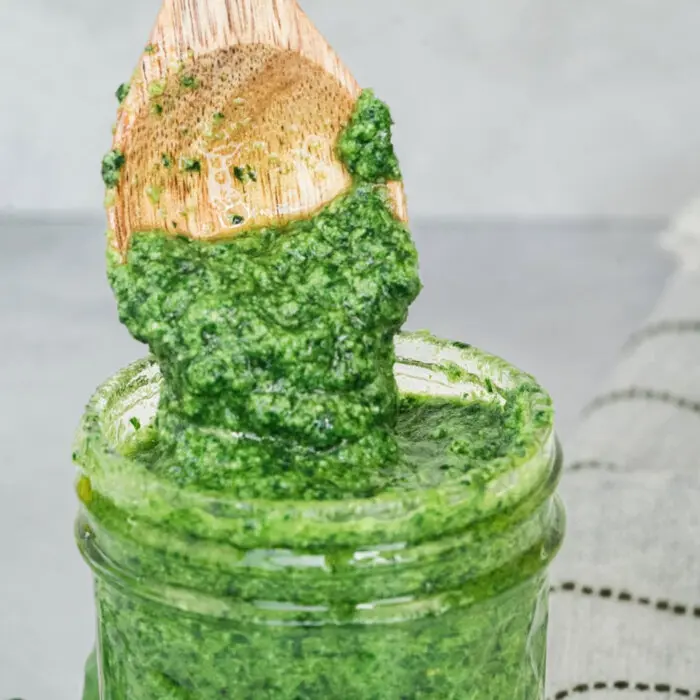
Pesto: one of my favorite uses. Substitute fresh garlic scapes by about half for the basil (or cilantro, baby spinach, arugula, parsley, depending on your pesto recipe). This is great on pasta, sourdough toast, sandwiches, and as an alternative to red pizza sauce.
As you wait for the rest of the garden to start producing, the garlic scapes are a welcome early harvest.