The role of artificial intelligence (AI) in the workplace is evolving rapidly, and some are warning that using AI to make executive decisions without careful consideration could backfire.
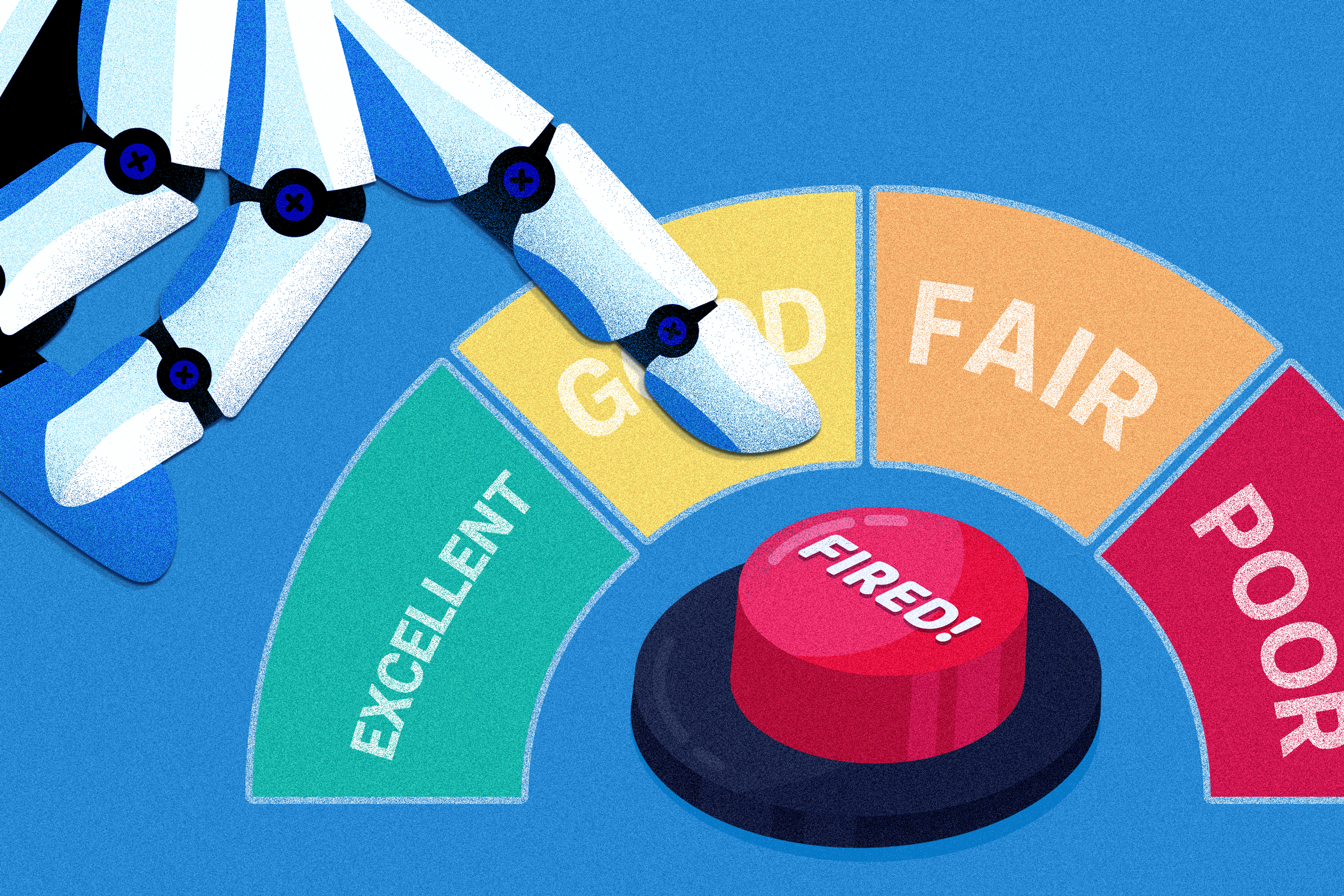
AI is being used more and more in recruitment, hiring, and performance evaluations that could lead to a promotion or termination.
This warning bell isn’t new, but with more managers using AI to assist with important staff decisions, the risk of reducing employees to numbers and graphs also grows.
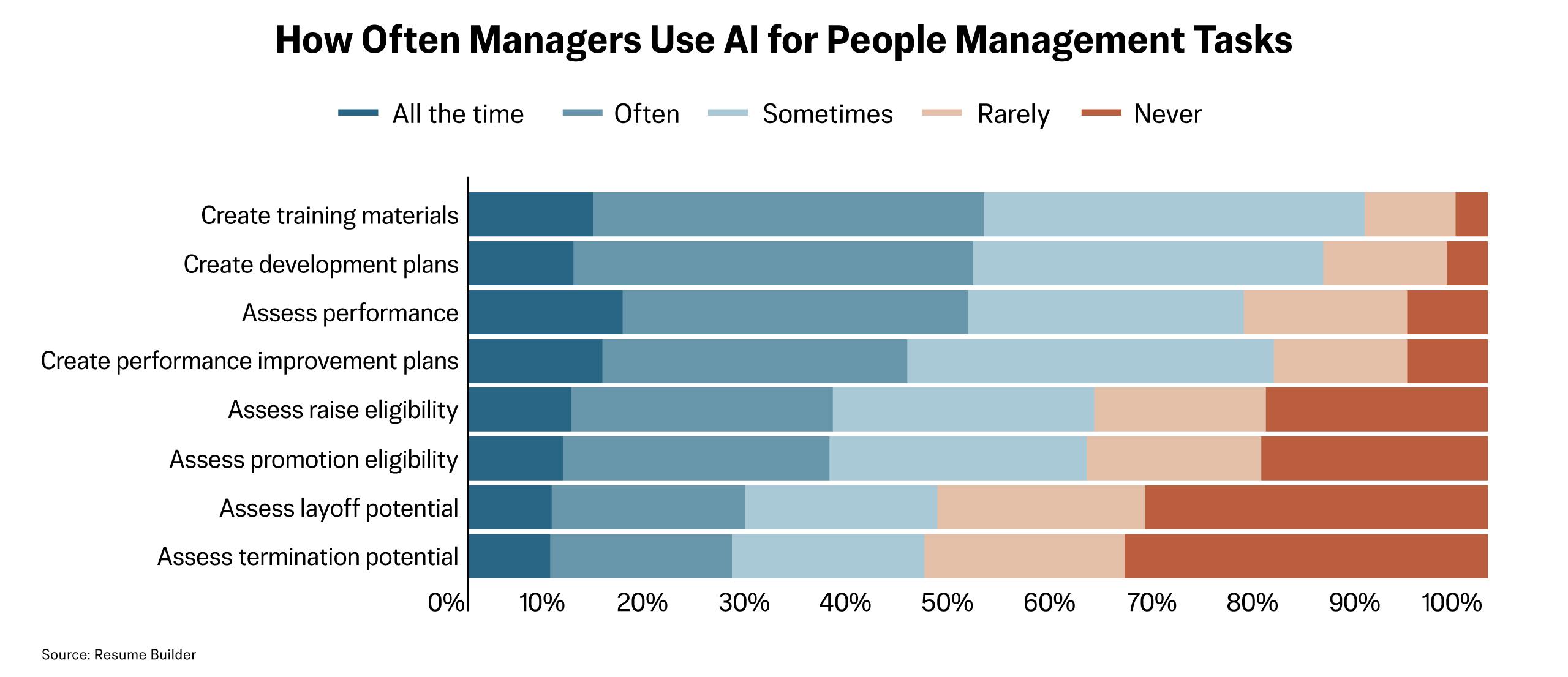
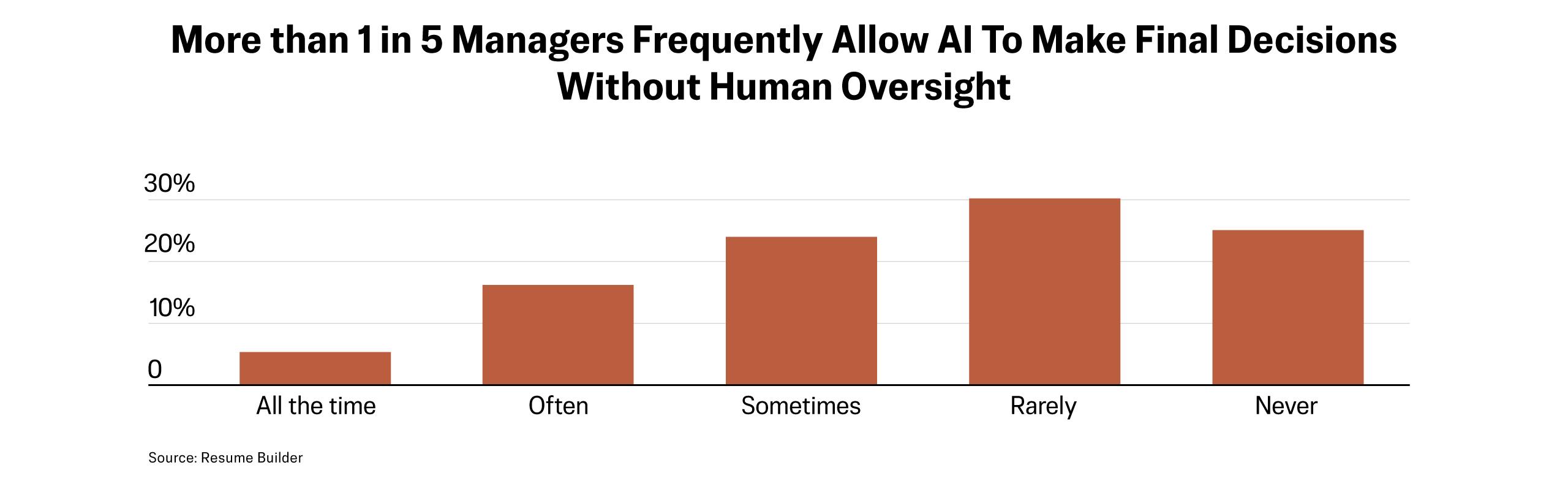
The same analysis showed that more than one in five respondents frequently let AI make final decisions without any human input.
The English language tutoring service was forced to pay damages to job applicants who were filtered out by its AI algorithm. The company used an AI algorithm that automatically rejected more than 200 applicants based on their age. The candidates were automatically disqualified if, in the case of women, they were older than 55 years old. Male applicants 60 years and older were also rejected.
Avoiding Dehumanization
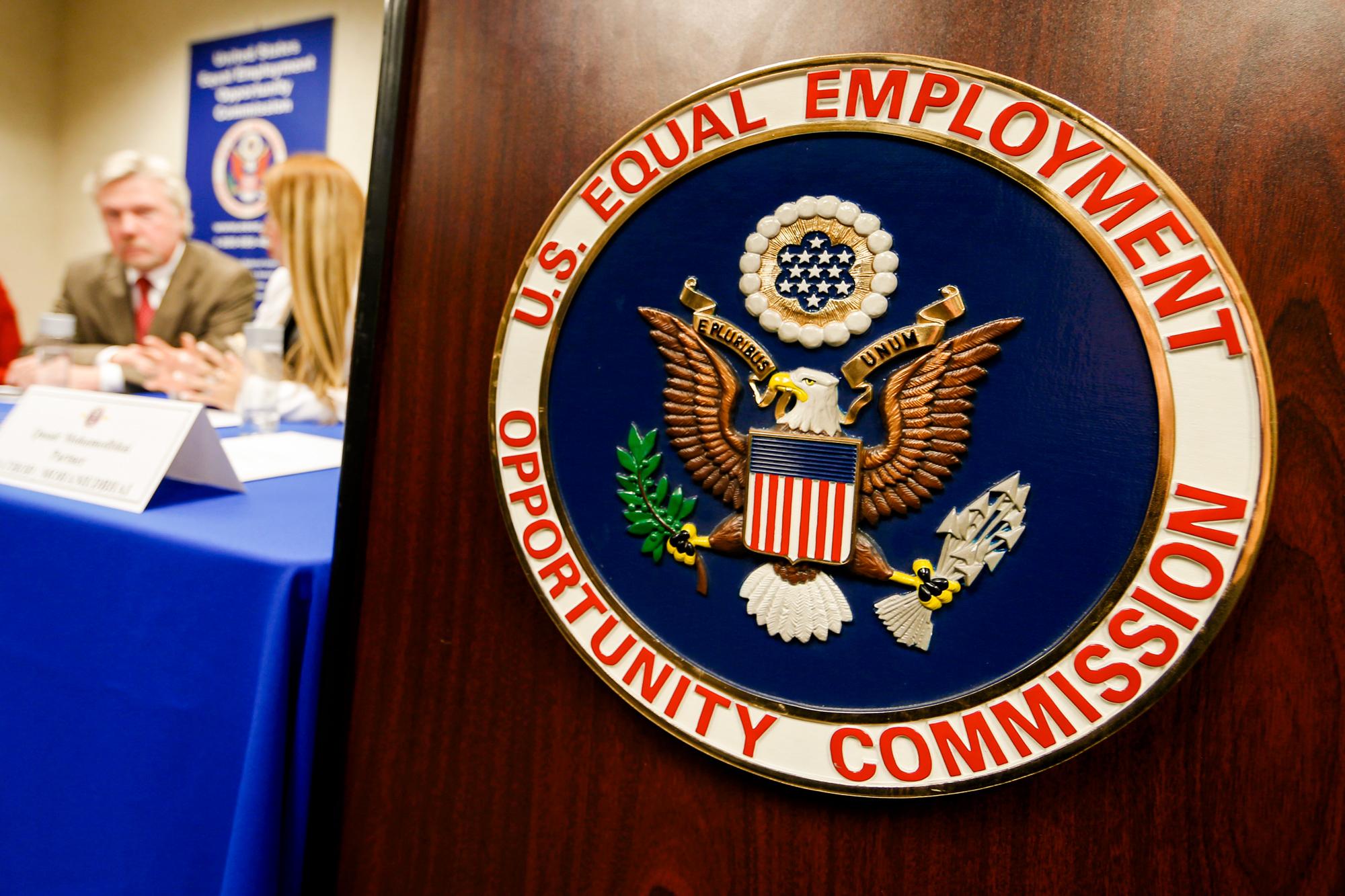
Civil regulations and government legislation are being put forward as a guardrail against the use of AI to evaluate and monitor employee performance.
Additionally, the states of Illinois, California, and New York have proposed, introduced, or passed legislation aimed at protecting workers from AI algorithmic discrimination in areas including recruitment, hiring, promotion, employment renewal, discipline, and training.
Business owners, AI experts, and managers using these digital tools to make decisions affecting employees have stressed the need for human oversight.
“I’ve used AI in recruitment. Tools like ChatGPT-powered screening systems and resume parsers have been game-changers,” AI expert and consultant Peter Swain told The Epoch Times.
Swain is the CEO of a namesake company that focuses on helping entrepreneurs strike a balance between AI systems and their human workforce. He illustrated the pros and cons of using AI systems to handle executive tasks.
“Advantages? Speed and scalability—AI can process 1,000 resumes in the time it takes a human to read 10. It also reduces bias if trained properly,” Swain said.
“Disadvantages? Garbage in, garbage out. If the AI is trained on biased data, it perpetuates those biases. Plus, it lacks the human touch—cultural fit and soft skills can’t be fully assessed by an algorithm.”
Data-driven tasks are where AI tools tend to shine, Swain said, but using them for actions such as raises, promotions, and layoffs is “tricky territory.”
“I’ve dabbled with AI-driven performance analytics—tracking [key performance indicators], productivity ... but I’d never let it make the final call,” he said. “It’s a tool, not a decision-maker. The risk is dehumanization, reducing people to data points.”
Swain also called AI’s use in managerial decisions an ethical “minefield.”
“AI can amplify biases if not carefully monitored—think gender, race, or age discrimination baked into training data,” he said. “Transparency is key. Employees need to know how decisions are made and have recourse to challenge them. Accountability matters—if AI screws up, who’s responsible? You can’t just blame the machine.”
Volumes of Data
Stephen Engel, CEO of Sanative Recovery and Wellness, told The Epoch Times that he recently used the AI chatbot ChatGPT to assist with deciding whether to fire an employee.He said that although AI didn’t make the final decision, its ability to handle volumes of data quickly allows managers to think more clearly and “step back from the emotion of the situation” and analyze situations more objectively.
“To me, that’s the real value of AI in this context. ... It allowed me to think through the situation, weigh options more rationally, and ultimately decide on the best course of action,” Engel said.
“I also used ChatGPT afterward to help guide my thinking about what qualities and strengths to prioritize for my next hire. Again, not as a replacement for human judgment, but as a tool to focus my thinking.”
Some business owners use AI tools to identify employees who need help.
“Our AI voice simulations let new employees engage in realistic mock calls from day one. These interactions are scored automatically and paired with coaching opportunities. It’s a way to see quickly who’s progressing and who might need more support,” Lonnie Johnston, CEO of the training platform WizeCamel, told The Epoch Times.
“Our platform helps surface employees who are struggling early and tracks whether they are improving on an acceptable schedule.”
He gave a recent example of how AI evaluations provided data to help supervisors make decisions.
“We worked with a team of new agents who all began mock calls the same week,” he said. “Each received an initial score and coaching feedback, then repeated simulations over several days with additional feedback loops. Some improved rapidly. Others did not. That data gave managers a clear, fair picture of who was likely to succeed.”
He stressed that although AI is a critical tool in decision-making, it shouldn’t make the final call.
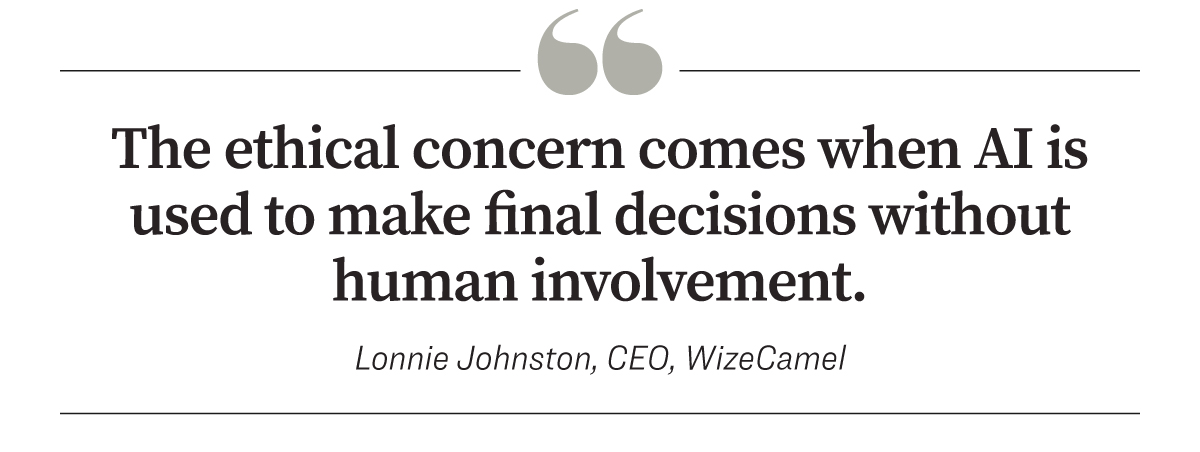
“The ethical concern comes when AI is used to make final decisions without human involvement,” Johnston said, emphasizing that AI should help managers make informed choices, not replace human thinking.
In the same analysis, 35 percent of managers said they’re already using AI tools to improve workplace efficiency and effectiveness.
According to Betterworks, AI should be utilized alongside users and support managers with “intelligent suggestions, delivering comprehensive summaries of feedback, and enabling employees to craft meaningful goals that align with broader organizational objectives.”
“When it comes to such things as promotions, wage increases, or layoffs, we are not ready to trust AI,” Chris Kirksey, founder of health care SEO data analysts Direction.com, told The Epoch Times.

Kirksey said he uses AI for specific tasks at his company, including recruitment, but said these tools are “not ideal” in many ways.
“Robots cannot read between the lines and know the situation of an employee,” he said, pointing out that AI can’t identify whether a performance issue is related to a specific event or personal problem that may be affecting an otherwise good worker.
“AI can be used as a source of data, but it cannot sense such nuances. We always believe that such important decisions should not be taken away by human judgment. Technology assists us at the company, but the decision will always be made by human beings because they can see the entire picture.”
He said he shares the growing concern surrounding data bias.

Expanding Into Uncharted Waters
As is the case with rapid technological advancement, there’s no going back once the train leaves the station.Swain said his own business is expanding its investment into AI, albeit with caution.
“The plan is to integrate more sophisticated tools for recruitment—like AI-driven behavioral assessments—and refine performance tracking systems,” he said. “But the focus is on augmentation, not replacement. AI should empower managers, not replace their judgment.”
Johnston is taking a similar approach to expanding AI’s role in managerial decisions.
“We’re deepening how we track skill development during onboarding and beyond,” he said.
“When someone continues to struggle, even with support, it becomes easier to make confident, compassionate decisions based on real evidence.”