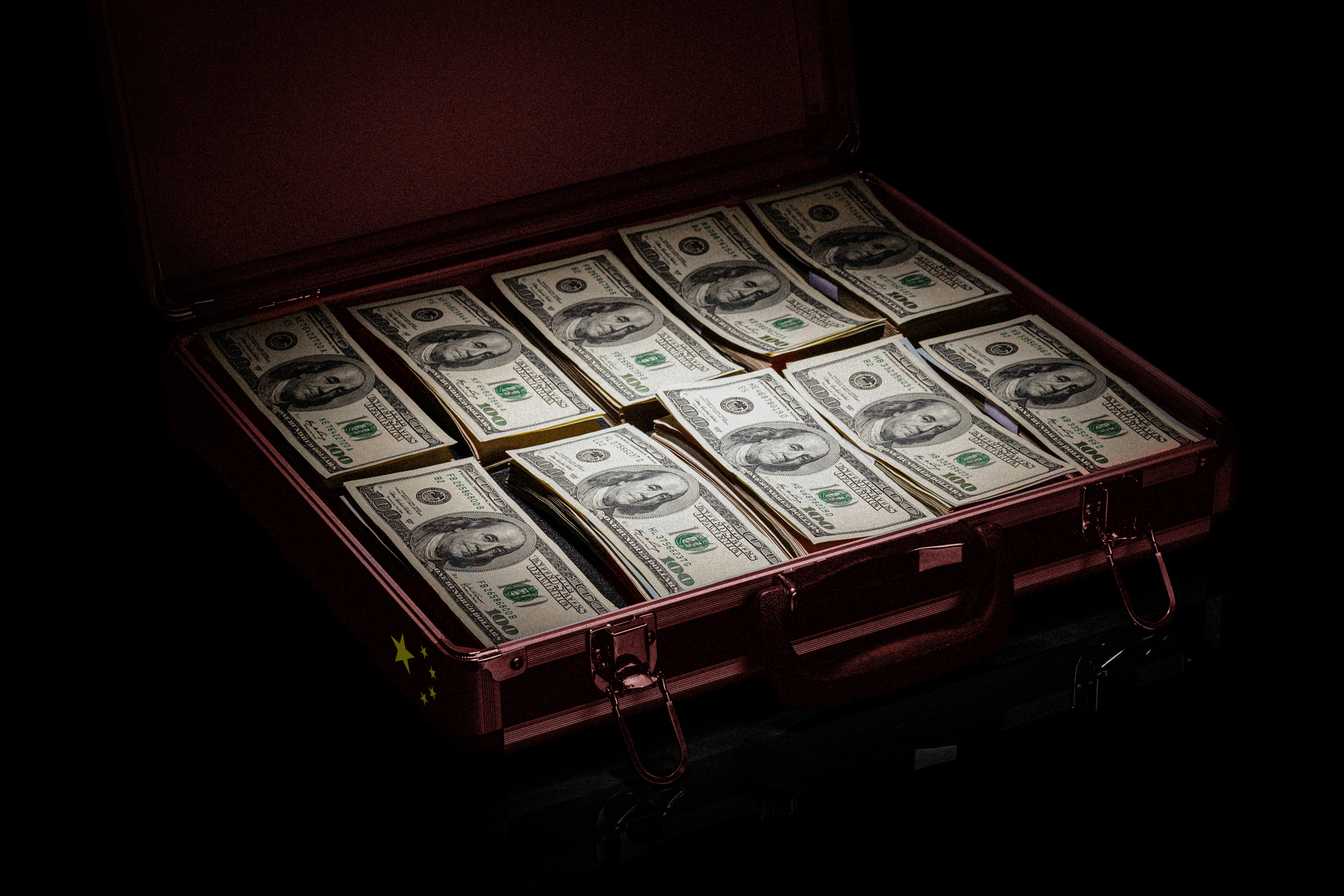
For years, the Chinese communist regime has been accused of fueling the fentanyl epidemic in the United States, a claim that gained renewed attention when President Donald Trump imposed tariffs on goods from China as well as Mexico and Canada, citing their role in the drug crisis.
In recent years, a growing amount of fentanyl has been smuggled into the United States via its northern border with Canada as well.
How China Launders Money
The growing ties between Chinese money launderers and Mexican cartels and other criminal groups are partly the result of laws in Mexico and China that restrict money flows, according to a report issued by the Treasury’s Financial Crimes Enforcement Network (FinCEN).In Mexico, current laws prevent large amounts of U.S. dollars from being deposited into Mexican banks. This hinders drug cartels’ ability to move their U.S. dollars through Mexico’s financial system, so they turn to professional money launderers operating in the United States.
In China, strict currency controls limit how much foreign currency Chinese citizens can purchase annually and prohibit direct transfers of yuan overseas without prior approval. This creates a strong demand for U.S. dollars outside of official channels.
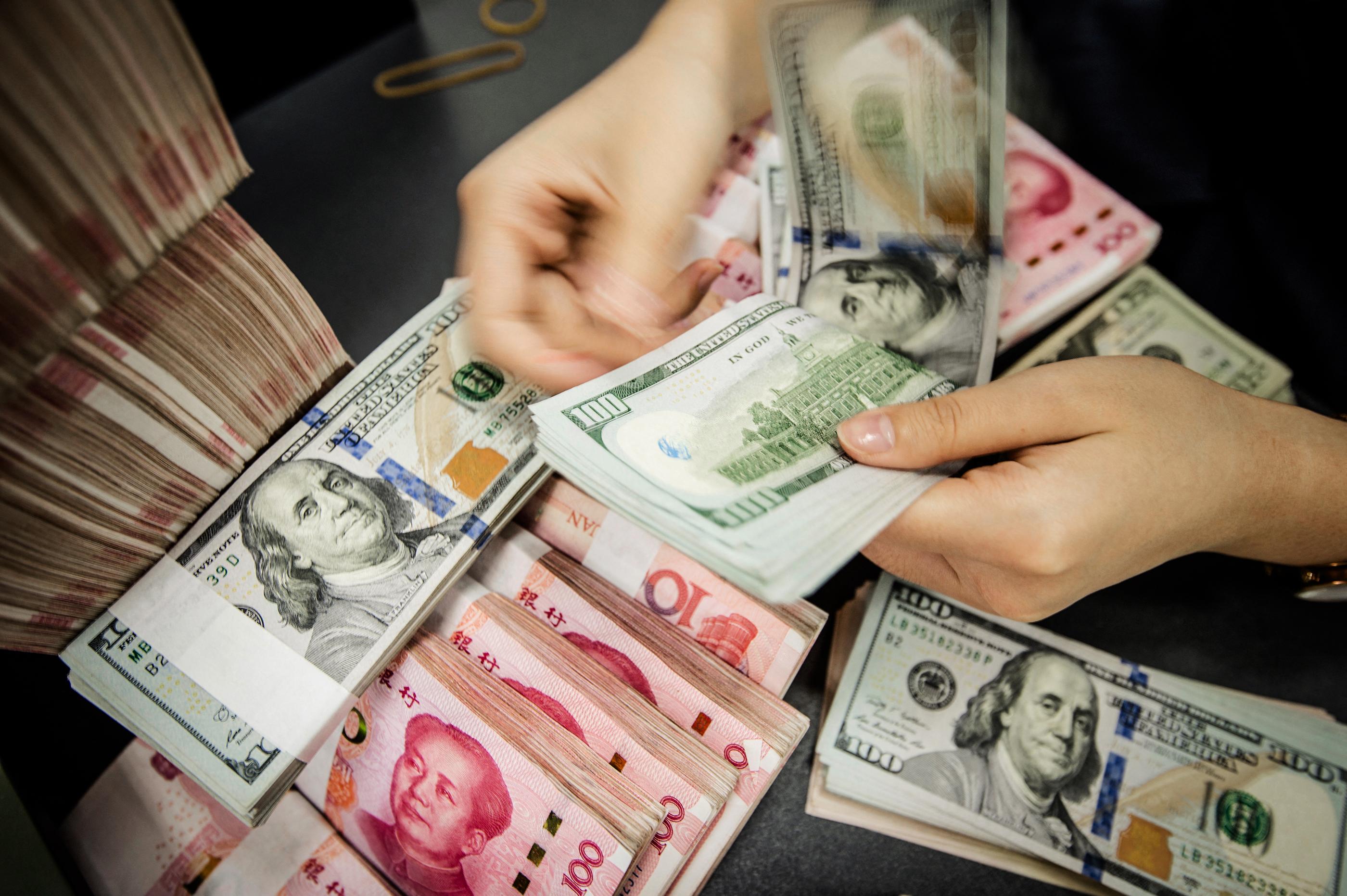
As a result, Chinese citizens’ thirst for U.S. dollars and the cartels’ race to launder their cash have created a criminal alliance.
Cartels sell their dollars to Chinese money laundering networks, which then sell those dollars to Chinese citizens who are looking to bypass China’s currency restrictions.
Chinese Students Increasingly Used as Money Mules
Chinese money laundering networks are made up of Chinese nationals based in the United States and abroad. They often recruit members of Chinese or other diaspora communities to act as cash couriers, money mules, or brokers. In recent years, they’ve increasingly drawn U.S.-based Chinese students into their operations.Since foreign students often struggle to find legal employment, they are more vulnerable to being recruited. Some may not even realize their activities are illegal, believing they are simply helping fellow Chinese citizens access U.S. dollars while making some extra income, according to the FinCEN report.
Sinaloa Cartel: A Money Laundering Case Study
Chinese money laundering networks use a variety of schemes designed to disguise funds derived from illegal activity.One common method is called “mirror transactions,” which involves handing over U.S. dollars in the United States, after which money laundering partners in Mexico immediately transfer the equivalent value in pesos to cartel accounts, keeping a small fee. Sometimes cryptocurrency is used in place of cash.
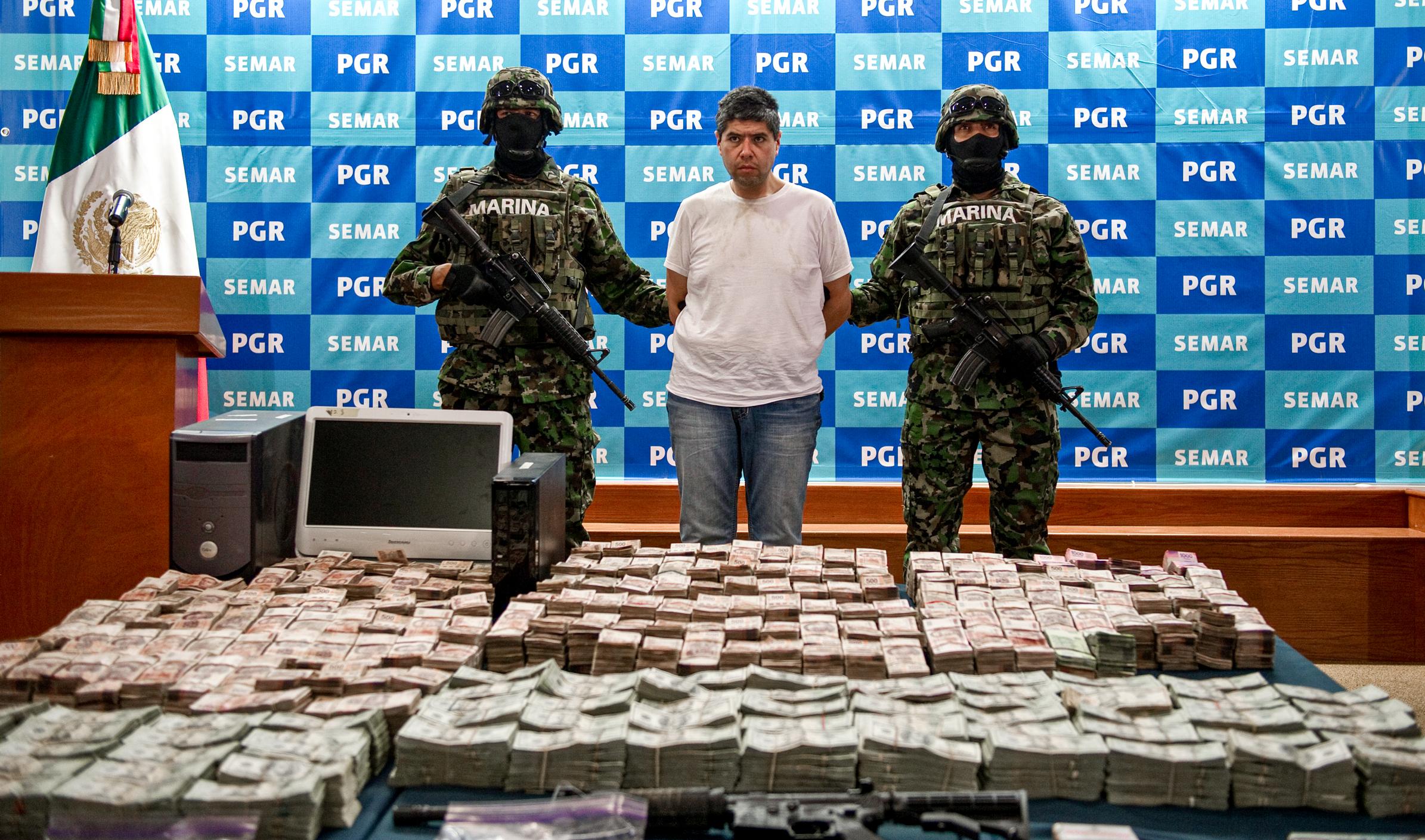
They also use money mules, again often involving students, to open bank accounts and deposit illicit funds. These individuals disguise their activity by listing ordinary occupations such as “student” and routinely deposit cash or receive wire transfers labeled as “tuition” or “living expenses.”


Another method is trade-based laundering: Money mules are directed to purchase electronics and other luxury goods in the United States and sell them through online platforms or export them to counterparties in other countries to launder the cartels’ illicit funds.
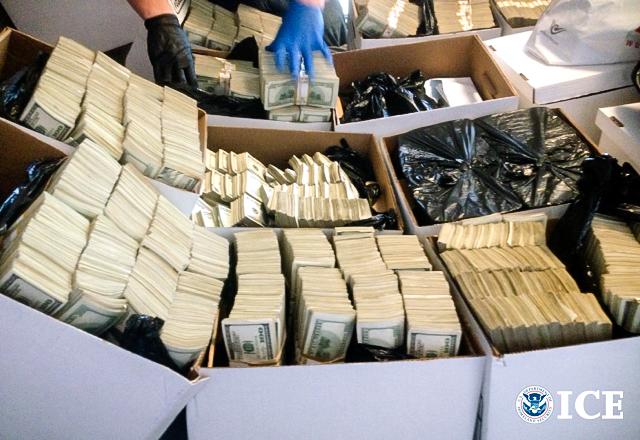
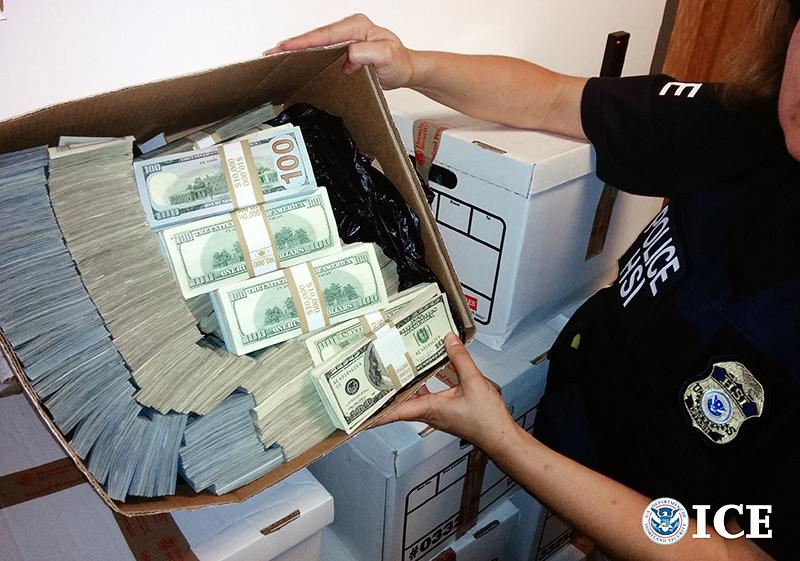
Between October 2019 and October 2023, cartel members imported large amounts of narcotics, including fentanyl, cocaine, and methamphetamine, into the United States, generating huge cash proceeds in U.S. dollars, according to the indictment.
The suspects allegedly used multiple methods to launder these funds, including trade-based laundering, buying luxury goods or cars, purchasing cryptocurrency, and depositing smaller amounts into numerous accounts to avoid triggering bank reports to the U.S. government of large cash deposits, according to the indictment.
Chinese Money Laundering Networks Linked to CCP
U.S. government documents indicate that Chinese money-laundering networks have close ties to Beijing, advancing its political and economic objectives.His 2023 book, “China – Specified Unlawful Activities: CCP Inc., Transnational Crime and Money Laundering,” exposes the communist regime’s money-laundering methods.
During his testimony, Cassara noted that both the international community and the U.S. government have been silent on the scale of China’s involvement in transnational crime and money laundering.
“We shouldn’t be silent,” he said.