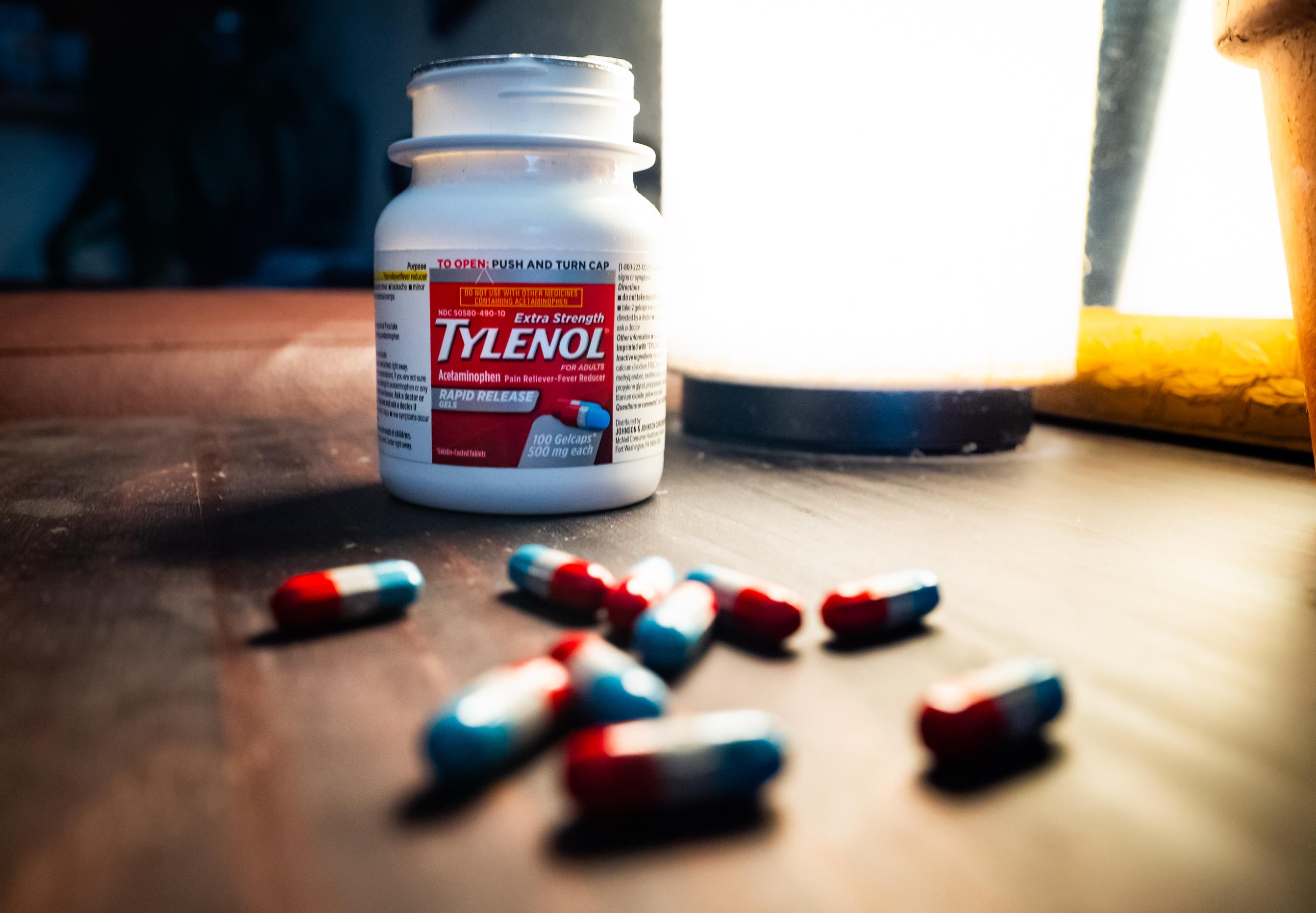
President Donald Trump announced on Sept. 22 that researchers had identified a link between the use of Tylenol during pregnancy and a higher risk of autism in children.
The Centers for Disease Control (CDC) indicates that about 1 in 31 children aged 8 had autism in 2022, a significant increase from 1 in 150 in 2000.
Also, CDC advisers recently revisited whether toddlers should be given a combined vaccine against measles, mumps, rubella, and varicella (MMRV) or receive the measles, mumps, rubella vaccine (MMR) and the varicella (chicken pox) vaccine separately, citing safety trade-offs.
We found that respondents have a significant level of skepticism about the information and recommendations available to them regarding autism and childhood vaccinations.
Reliability of Information
Poll respondents strongly agreed with most statements pertaining to the completeness and reliability of vaccine-related information provided by both the media and the government.Ninety-five percent of respondents agreed that media coverage has made it harder to tell which claims about vaccines and autism are well-supported. Of that group, 69 percent strongly agreed.
More than two thirds of respondents (71 percent) strongly agreed that vaccine injuries are underreported, and 66 percent strongly agreed that public health messaging and vaccine requirements understate the risk of vaccine injury.

Disagreement on both of those statements was in the single digits.
“I just don’t know what to trust anymore, ”one respondent wrote.
Causes Less Clear
This skepticism about the reliability of public information on autism shows up as well in opinions about the causes of autism.A majority of respondents (53 percent) agreed that environmental factors rather than genetics are the major driver of autism today. That percentage was almost evenly split between those who simply agreed and those who strongly agreed with that assessment.
A similar percentage, 28 percent, were unsure whether environmental or genetic factors were more responsible for autism.
A total of 19 percent disagreed that environmental factors were more to blame.
A similar but reversed pattern emerged on the question of whether autism in the United States was rising mainly because of better diagnosing and awareness of the condition.
Here, 56 percent disagreed with that assessment, split evenly between those who simply disagreed and strongly disagreed.
Twenty-four percent agreed that increased awareness and diagnosing were driving the rise in autism, while 20 percent were unsure.
Overall, respondents ranked vaccines as the primary explanation for the reported rise in autism cases, with 54 percent ranking it first.
The use of certain medicines, such as Tylenol, during pregnancy ranked second, followed by exposure to pollution or chemicals, wireless/radiation exposure, the improved survival rate of preterm, low-birth-weight infants, and expanded identification and diagnostic changes.
More than a thousand readers mentioned food in their written responses. One wrote, “I strongly believe that our food is a major factor, and no one seems to be looking at that. I suspect that hormones, preservatives, and other additives in all of our food sources contribute to the autism issue.”
However, hundreds of respondents balked at rendering any opinion on these matters, saying they did not have the expertise to do so.
“I do not have enough facts to make these decisions,” one respondent said.
Cautious Approach
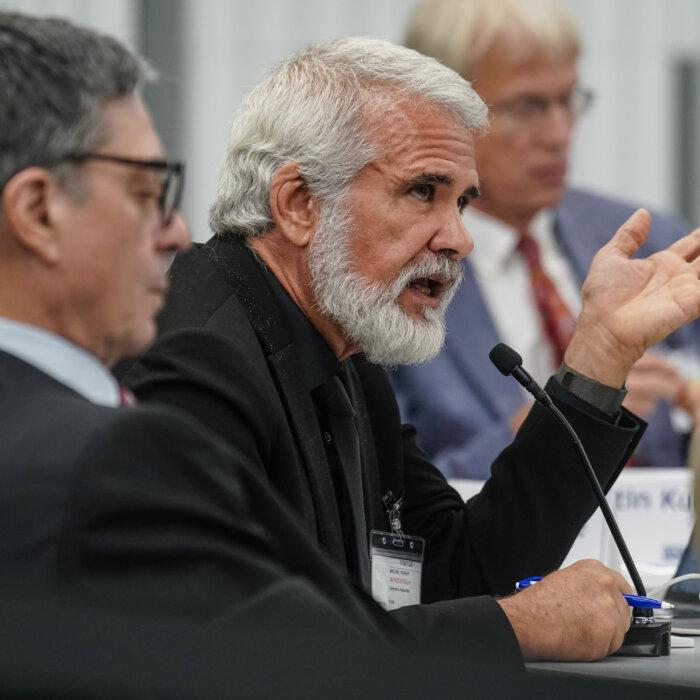

The factors already listed appear to drive most readers to caution on matters related to autism and vaccines.
Eighty-eight percent agreed that the use of Tylenol during pregnancy should be approached more cautiously. Nearly two thirds (64 percent) strongly agreed.
Nearly three-quarters of respondents (73 percent) favored caution on the combined MMRV vaccine for young children, agreeing that giving the varicella vaccine separately would be safer. Forty-one percent strongly agreed.
However, 22 percent of respondents were unsure whether separate doses were safer, and 5 percent didn’t think they were.
“It appears that children are given an incredibly large number of vaccines. How, pray tell, did those of us who are older survive this long with a much, much smaller subset of vaccines?” asked one respondent.
A mother wrote, “My son was born in 1991. At that time, my OB-GYN told me to avoid Tylenol during pregnancy and breastfeeding.”
Another said, “My children and I had all of our vaccinations. We are fine.”
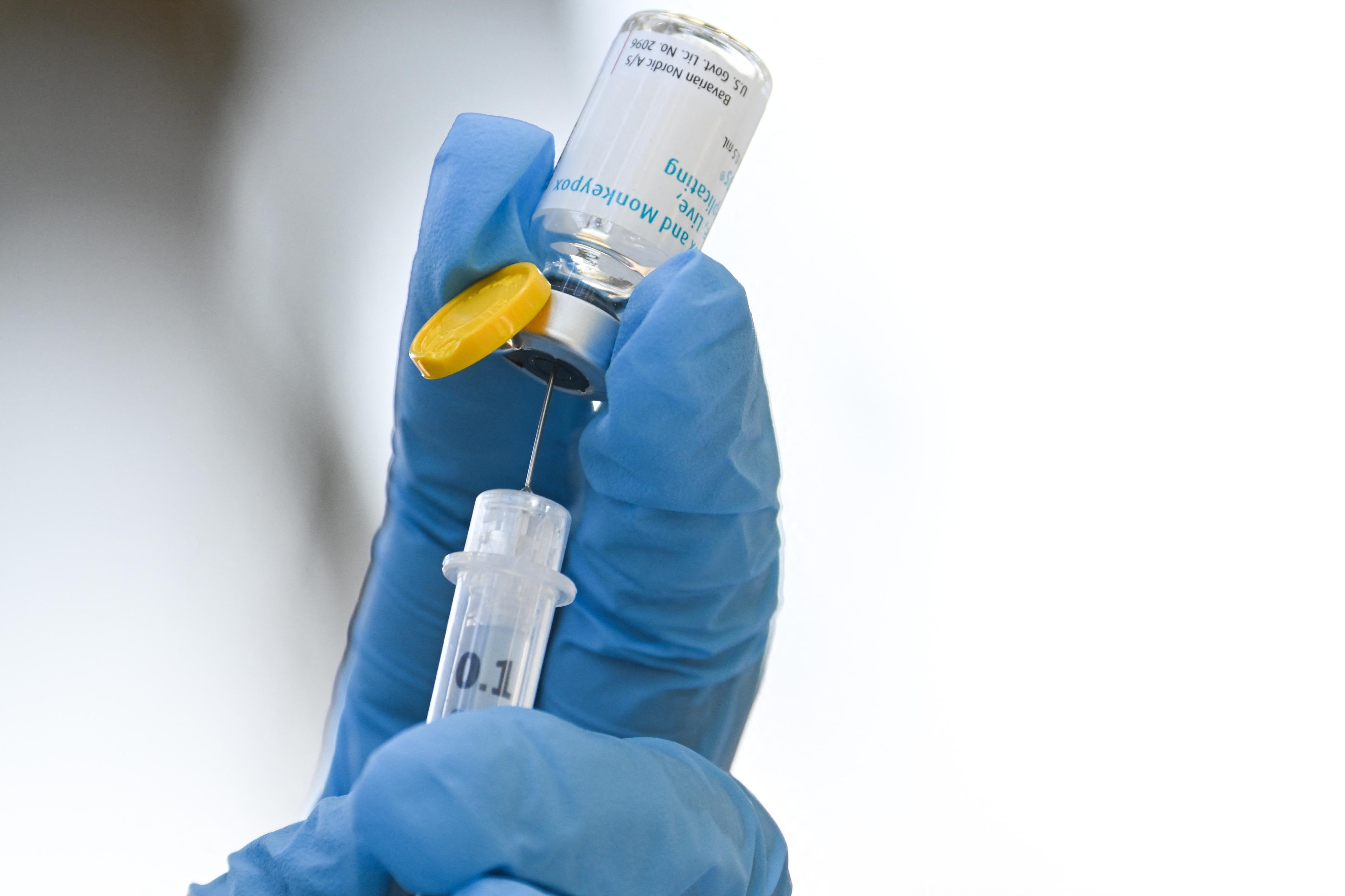
Autonomy in Decision Making
Many respondents have formed their own approach to vaccines, favoring the principle of personal autonomy.The vast majority of respondents (92 percent) affirmed that any vaccine mandate should include medical, religious, and conscientious objections. Seventy-six percent felt strongly about that.
Results were similar on the question of parents having the ability to delay some vaccines for their children or use an alternate schedule. Ninety-one percent affirmed that they should, with 70 percent affirming it strongly.
Eighty-seven percent affirmed that adults should have full autonomy over vaccination decisions for themselves and their children, with 69 percent affirming strongly.
One reader said, “I am not anti-vax. I just believe we need more choice, and when and how many to take.”
Only 11 percent of respondents agreed that they trust the CDC to set the childhood vaccine schedule. Just 3 percent strongly agreed.
Responses followed a similar pattern when asked about their personal approach to childhood vaccines.
Just 11 percent said they follow the standard schedule. Half said they select some vaccines and skip others. One fifth (20 percent) said they skip all vaccines, and 14 percent reported following an alternative schedule.