Canadian politics has gotten just crazy enough to make it interesting to Americans.
A recent political fumble by the ruling Conservative government could bring the fourth election in five years.
Canada typically holds elections every four years.
That fumble was proposing to end public financing for political parties. Currently, the Conservatives are the only party not dependent on public financing and such a cut would effectively kneecap the other parties during election campaigns.
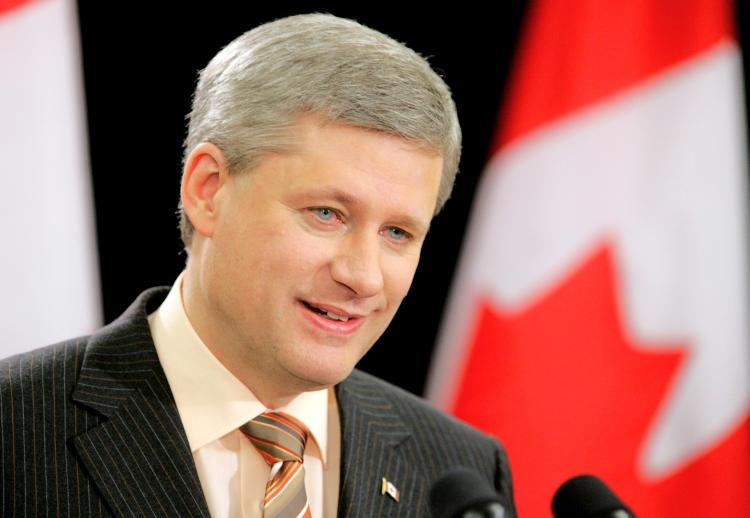
Prime Minister Stephen Harper and his finance minister have said the cuts are necessary during these tough economic times, but it appears the Conservatives were unprepared for the political fallout from the cuts.
Two of the country’s three opposition parties have proposed a coalition government to topple the Conservatives.
To understand the rodeo Canadian politics has become, it’s necessary to understand a quirky phenomena that can strike its parliamentary democracy—the minority government.
In Canada, four parties fight for the 308 seats in parliament. The Liberals are Canada’s winningest political party. They were defeated in 2006 by the Conservatives. While these are the two dominant parties, Canada’s smaller parties can play a significant role, particularly during minority governments.
The New Democratic Party (NDP) is Canada’s third-ranking left-most party. The fourth party is the Bloc Quebecois, which only runs candidates in the French-speaking province of Quebec, and whose ultimate goal is to separate Quebec from the rest of Canada and start a new country. Canada’s Green Party has been growing in each election, but has yet to win a single seat in parliament.
Each seat is contested in one of the country’s 308 ridings. The party that elects the most “Members of Parliament” forms the government, and the leader of that party becomes Prime Minister. Canadians don’t actually get to choose who will lead their country.
But if the party that wins the most seats doesn’t win over half of all ridings, that is, 155 of the ridings, it does not win a majority. In that scenario, the number of seats won by the opposition parties adds up to more than governments own seats, and a minority government is formed.
Minority governments can be toppled at almost any time, throwing the country back into an election. Harper may have calculated that he could get his cuts through without the other parties risking an election mainly because the Liberals are in the midst of a leadership race.
But in an interesting turn, the Liberals have proposed a coalition with the NDP to form a coalition government. The proposal would be to avoid an election just two months after the last election by asking Canada’s governor general, a figurehead and symbolic representative for the British Monarchy, to give the two smaller parties control of the government. The Liberals and NDP would require the help of the BQ, which could prove divisive.
Such a request would present the country with a constitutional crisis similar to one faced in 1926 when then-Governor General Lord Byng refused to call an election just six months after one had been called and instead asked the opposition party to form a government.
To avoid such a crisis, Harper has announced they will drop the cuts and also introduce an economic stimulus package early, which was another sticking point the opposition parties were prepared to face an election for.
A recent political fumble by the ruling Conservative government could bring the fourth election in five years.
Canada typically holds elections every four years.
That fumble was proposing to end public financing for political parties. Currently, the Conservatives are the only party not dependent on public financing and such a cut would effectively kneecap the other parties during election campaigns.
Prime Minister Stephen Harper and his finance minister have said the cuts are necessary during these tough economic times, but it appears the Conservatives were unprepared for the political fallout from the cuts.
Two of the country’s three opposition parties have proposed a coalition government to topple the Conservatives.
To understand the rodeo Canadian politics has become, it’s necessary to understand a quirky phenomena that can strike its parliamentary democracy—the minority government.
In Canada, four parties fight for the 308 seats in parliament. The Liberals are Canada’s winningest political party. They were defeated in 2006 by the Conservatives. While these are the two dominant parties, Canada’s smaller parties can play a significant role, particularly during minority governments.
The New Democratic Party (NDP) is Canada’s third-ranking left-most party. The fourth party is the Bloc Quebecois, which only runs candidates in the French-speaking province of Quebec, and whose ultimate goal is to separate Quebec from the rest of Canada and start a new country. Canada’s Green Party has been growing in each election, but has yet to win a single seat in parliament.
Each seat is contested in one of the country’s 308 ridings. The party that elects the most “Members of Parliament” forms the government, and the leader of that party becomes Prime Minister. Canadians don’t actually get to choose who will lead their country.
But if the party that wins the most seats doesn’t win over half of all ridings, that is, 155 of the ridings, it does not win a majority. In that scenario, the number of seats won by the opposition parties adds up to more than governments own seats, and a minority government is formed.
Minority governments can be toppled at almost any time, throwing the country back into an election. Harper may have calculated that he could get his cuts through without the other parties risking an election mainly because the Liberals are in the midst of a leadership race.
But in an interesting turn, the Liberals have proposed a coalition with the NDP to form a coalition government. The proposal would be to avoid an election just two months after the last election by asking Canada’s governor general, a figurehead and symbolic representative for the British Monarchy, to give the two smaller parties control of the government. The Liberals and NDP would require the help of the BQ, which could prove divisive.
Such a request would present the country with a constitutional crisis similar to one faced in 1926 when then-Governor General Lord Byng refused to call an election just six months after one had been called and instead asked the opposition party to form a government.
To avoid such a crisis, Harper has announced they will drop the cuts and also introduce an economic stimulus package early, which was another sticking point the opposition parties were prepared to face an election for.