
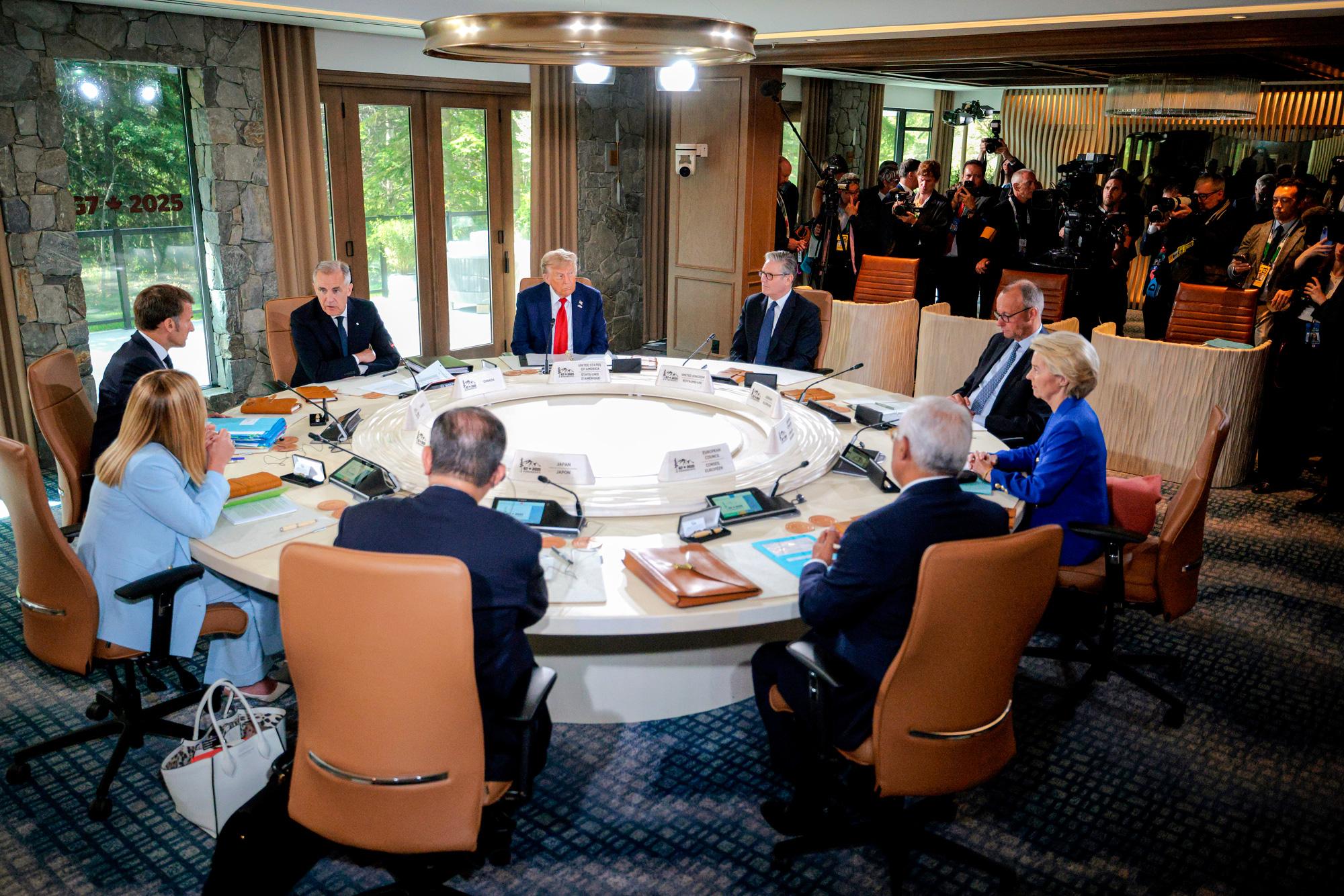
At this year’s G7 summit, European Commission President Ursula von der Leyen held up a symbol of the West’s bid to gain supply chain independence from China: a rare earth magnet.
The fund provides financial support for the EU’s goal to achieve net-zero emissions of all greenhouse gases.
Heat-resistant magnets are one way these critical minerals are utilized. Rare earth elements are essential to modern manufacturing, and without them, consumers will likely face shortages of cars and electronics that rely on them for screens, batteries, and motors.
Rare earths are not named “rare” because they are scarce in the Earth’s crust but because they occur naturally at low densities and are costly to separate from other metals.
China doesn’t just dominate the mining of these elements but the entire value chain, which includes separating and refining rare earths, as well as manufacturing magnets.
Based on its near-monopoly, Beijing has weaponized rare earths in the U.S.–China trade war.
At the same time, the Trump administration is proceeding with deregulation and investment to nurture a domestic supply chain. The United States recognized China’s dominance in critical minerals during the Obama administration in the 2010s and, during the Biden administration, introduced manufacturing tax credits and federal loan assistance under the Inflation Reduction Act.
Experts say the West’s determination to establish an alternative rare earth supply chain has now reached a watershed moment—it will not relax its efforts, as it did in the past, even if China were to lift its export controls and again flood the market with cheap products.
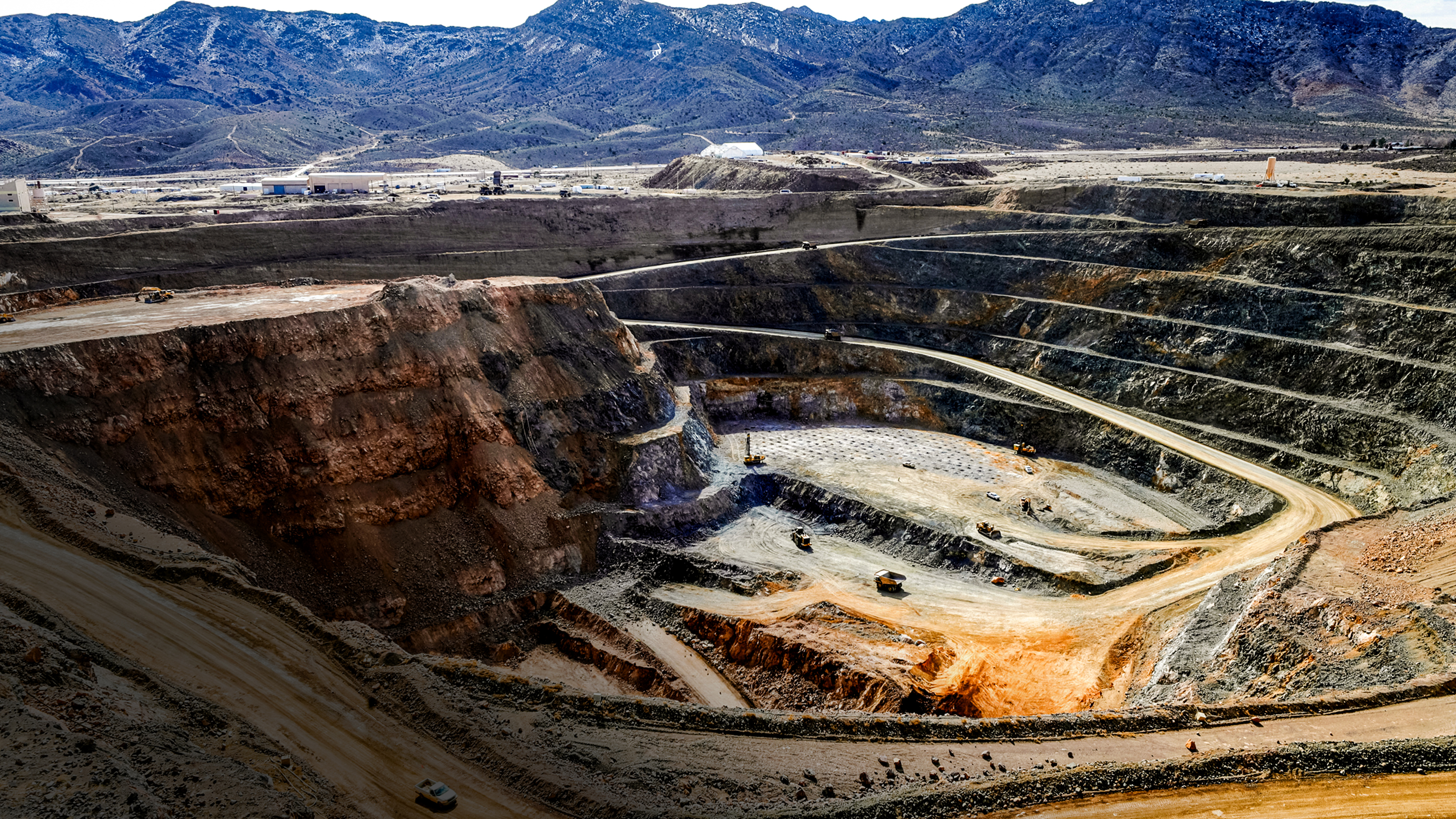
The U.S. initiative to achieve supply chain independence on rare earths is proceeding with “100 percent certainty,” according to Ken Mushinski, CEO of Rare Element Resources, which mines and processes rare earth elements in Wyoming.
“There is an extreme interest, and they completely understand the need for a domestic supply chain,” he told The Epoch Times, based on his recent meetings with Secretary of Energy Chris Wright and at the Pentagon.
“Every person, every department I meet with in Washington D.C., in the state of Wyoming, all are in lockstep that this is a critical initiative that needs to be fully implemented sooner rather than later.”
Two years is the timeline by which the United States may start showing solid progress in building a domestic rare earth supply chain, according to tech expert James Lewis, a distinguished fellow at the Center for European Policy Analysis.
Racing Against Time
Since the start of his second term in January, President Donald Trump has issued 11 executive orders that provide permitting relief and funding to businesses involved in mining and refining critical minerals.

Mushinski said mining and refining businesses will now be able to sit down with all federal approvers involved in environmental reviews and discuss the timeline before starting a project. That saves businesses time navigating complicated processes and coordinating with different agencies. The Permitting Council, which was established by Congress in 2015 and reports to Congress, holds each agency accountable for implementing the review plan.
That could result in a difference of years, by Mushinski’s estimate. For example, it took his company 10 years to get the permit for his project in northeastern Wyoming. Under the new process, the same project might be fully permitted within two to four years.
A seven- to 10-year permitting delay is typical for critical mineral companies, according to Alex Herrgott, president of the Permitting Institute.
To achieve complete self-sufficiency in rare earths, Mushinski estimates that it would take between 10 and 20 years; 20 years if the United States works alone and closer to 10 if it works with allies.
He provided an example of a magnet lineup he would like to see: his company separating rare earth elements from ores on a commercial scale and an established UK metal refiner and a Japanese magnet manufacturer setting up facilities in the central United States.
As part of the G7 action plan, the United States will chair the 15th intergovernmental conference on critical minerals in Chicago in September.
The magnet the EU president showcased was a “good, tangible way” of demonstrating how industrial players can “work together across the board, across boundaries,” said Dennis Gibson, chairman of the Critical Minerals Association USA.
“I’m very hopeful that the session in Chicago in a couple of months will actually start solidifying and getting players together,” the industry veteran told The Epoch Times.
Lost Leadership
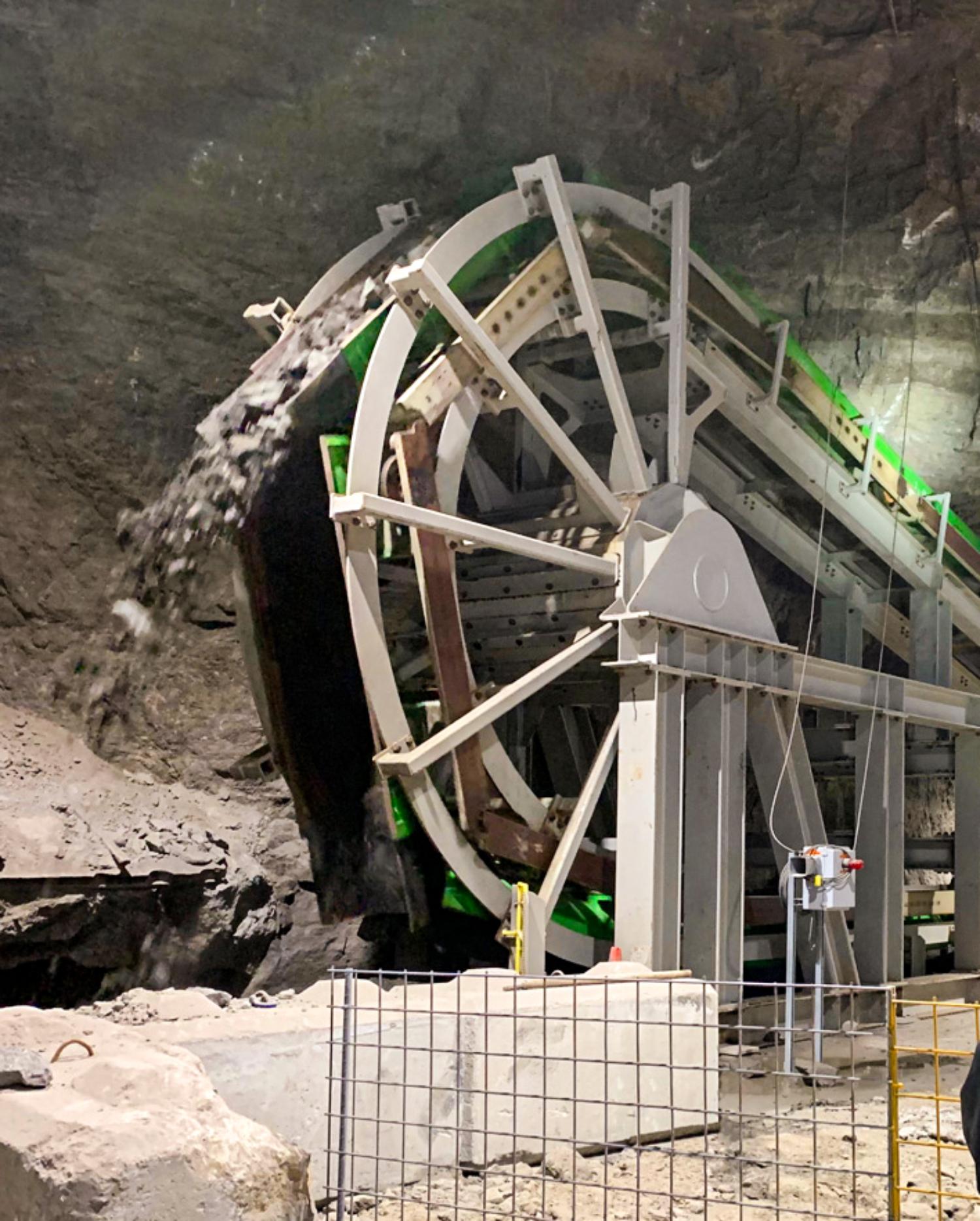
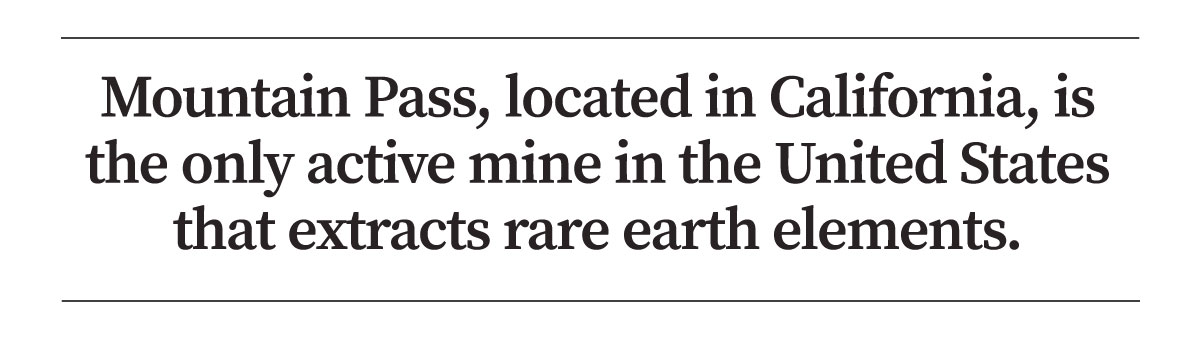
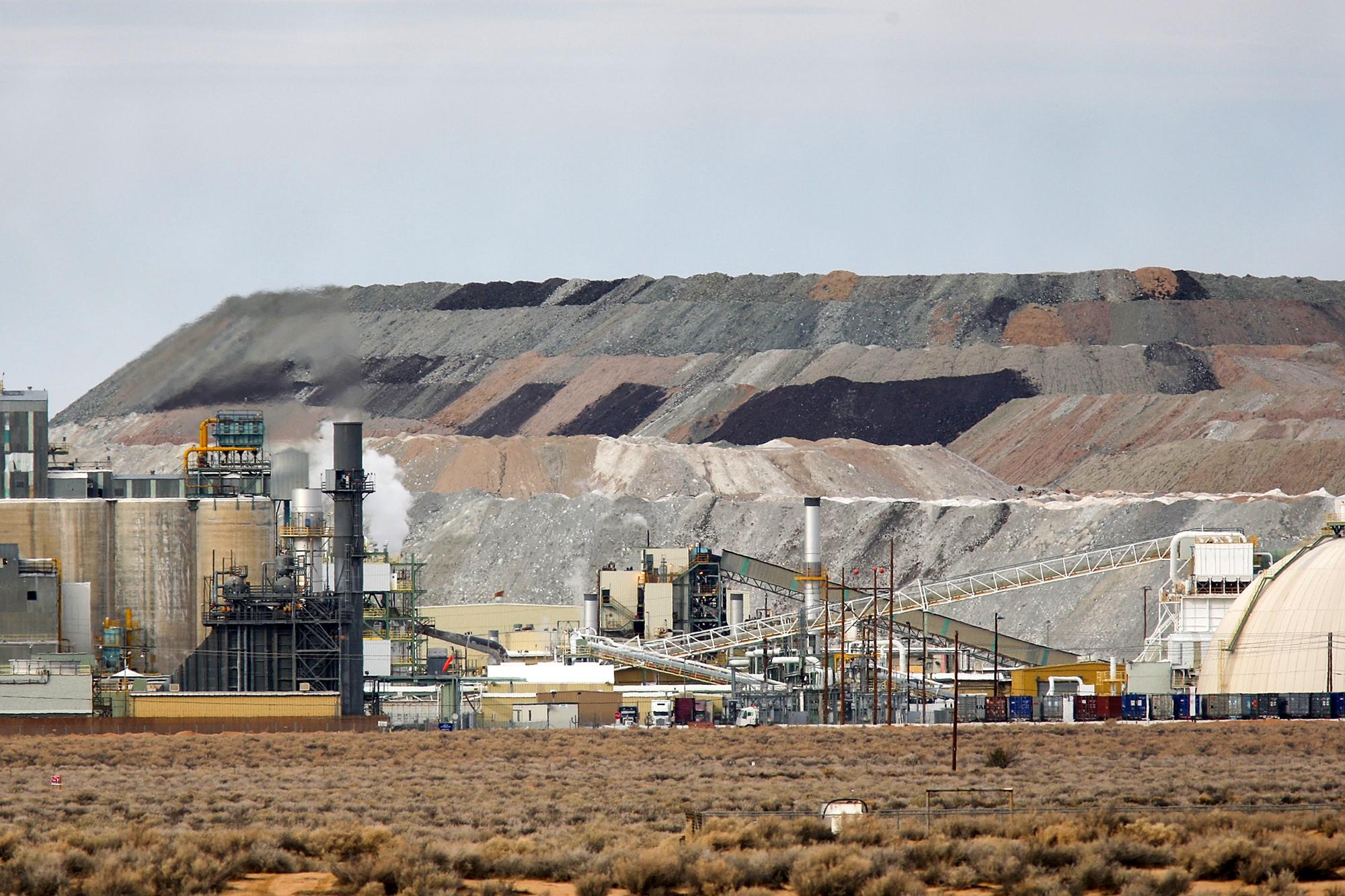
The West is up against the near-monopoly that the Chinese regime has achieved in rare earths over the past three decades of effort.The facility accounts for approximately 15 percent of the total global output of rare earth oxides.
In 2024, a “vast majority” of its rare earth mining output was sent to China for processing, accounting for 80 percent of the company’s total revenue, according to its annual report.
However, in December 2024 the company opened a manufacturing facility for magnets, and in April, it said about 50 percent of its production was being refined in California.
The use of rare earths in making permanent magnets, or magnetic materials that do not rely on power sources, was discovered at a lab in the U.S. Department of Defense in the 1960s. The rare earth magnet technology used today was invented in the 1980s by Sumitomo Special Metals in Japan and General Motors.
Enter China. In 1992, Deng Xiaoping, the then-Chinese Communist Party leader, said rare earths had “very important strategic significance.”
“The Middle East has oil; China has rare earth,” he said, referring to the rare earth reserves in the country.
Foreign miners were only allowed to form joint ventures with Chinese companies. And they had to provide technical know-how to the Chinese to do business in China, according to the Washington-based think tank Center for Strategic and International Studies (CSIS).
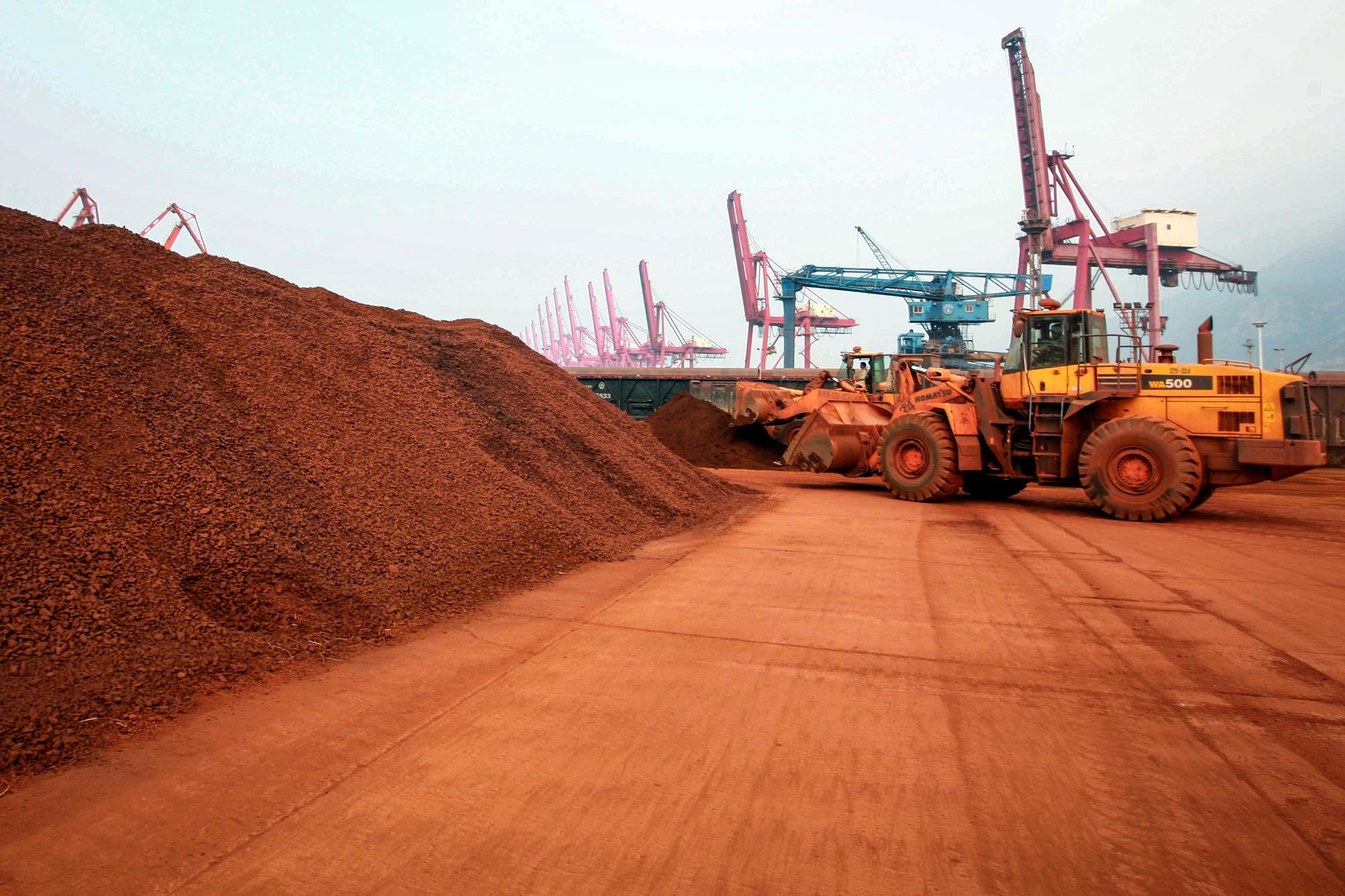
During the same year, the Chinese regime flexed its muscles in the rare earth sector.
However, in 2015, China retired its export quota system for rare earths. Prices fell sharply to lower than those before 2010. Molycorp filed for bankruptcy in June 2015. Years later, the mine was bought by the current owner, Las Vegas-based MP Materials, and it resumed operations in 2018.
When the market price collapsed, U.S. domestic players could no longer substantiate profitable business cases for investors.
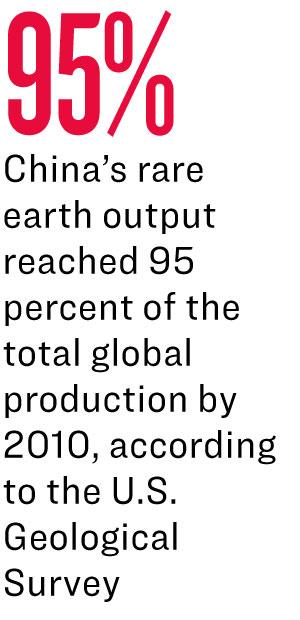
Although Japan sought alternative sources of rare earths, the rest of the world ultimately returned to purchasing from China. The regime’s monopoly has remained essentially unchanged. It still refines 90 percent of the total global rare earth output today.
Times Are Different
Can China remove its export controls again to crush other industrial players and stall the current efforts to build an alternative supply chain, as it did in the 2010s?Lewis doesn’t think so.
“The Chinese can only pull this trick off so many times before people get fed up and say, ‘We won’t depend on you.’ And that’s starting to happen,” he said. “So I think you’re going to see China’s market share erode, but it won’t erode to zero.”
Mushinski concurred.
“I think everybody realizes, you know, the deal you have today likely won’t be here tomorrow or the next day. And so everybody’s very, very wary of that,” he said.
Referring to a domestic rare earth supply chain, he noted that “the Department of Defense, the U.S. government, completely understands that this must be brought back to the United States.”