
The U.S. health care system has grown in cost and complexity over the decades, leading some observers to say that it is time for a radical shake-up.
The current system is an amalgam of public and private insurers, for-profit and nonprofit care providers, drug manufacturers, benefit managers, retailers, and sprawling health conglomerates.
Some analysts and lawmakers have echoed that thought, proposing ideas for a fundamental change in the way the nation provides and pays for health care.
1. Medicare Opt-Out: Seniors Spend Their Own Money
This idea aims to reduce the cost of Medicare by giving beneficiaries control over their Medicare spending.A near-opposite of the single-payer proposal is one that would allow states to opt out of the Medicare program, then return to seniors the money that would have otherwise been spent to provide them with Medicare.
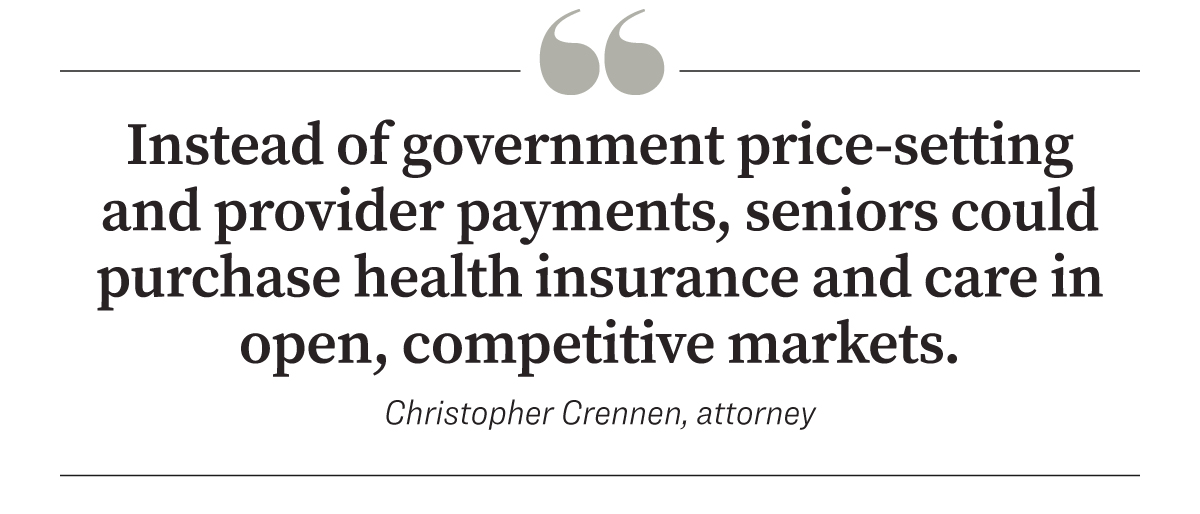
According to Sorens, state legislatures are more nimble and financially responsible than Congress and could devise ways to empower Medicare beneficiaries to make health care choices.
Crennen estimated that each Medicare beneficiary would receive $1,350 per month, equating to more than $32,000 per year for a married couple. That amount would be enough to purchase catastrophic health insurance and save money for routine health expenses, he said.
No specific plan has been put forward to enact this idea. However, bipartisan lawmakers have strongly opposed major changes to the Medicare program.
2. Health Freedom: Expanded Health Savings Accounts
This idea aims to reduce costs by increasing consumer choice.A health savings account (HSA) allows a consumer to set aside money, tax-free, to be used only for qualified health expenses.



However, HSAs are available only to people who have a high-deductible health insurance plan and cannot be used for health insurance premiums.
Rep. Chip Roy (R-Texas) has called for expanded access to HSAs to give people more freedom to make health care choices.
“Health care freedom is the simple idea that American patients and doctors must be empowered to decide and provide health care—not insurance companies and corporate/government bureaucrats,” Roy wrote.
Critics of HSAs have generally favored government solutions for lowering prices and increasing competition.

3. Value-Based Care: A New Payment Model
This idea aims to reduce costs by changing the basis on which care providers are paid.Traditional health care is based on a fee-for-service model. In the case of a surgery, for example, the hospital, surgeon, radiologist, anesthesiologist, pharmacy, and physical therapist are each paid separately.
With value-based care, the insurer would pay one organization to ensure that the patient receives all necessary services related to the surgery.
The idea is to reduce cost and improve patient outcomes by having all providers act as a team.
Value-based care is not in wide use, although several payers have experimented with it. Examples include Kaiser Permanente’s Coordinated Care Plan, UnitedHealthcare’s Care Bundles Program, and Blue Shield of California’s Episodes of Care model.
The Center for Medicare and Medicaid Innovation terminated two experimental plans based on value-based care in March: the Primary Care First Model and the Making Care Primary Model.

4. Make America Healthy: Focus on Prevention
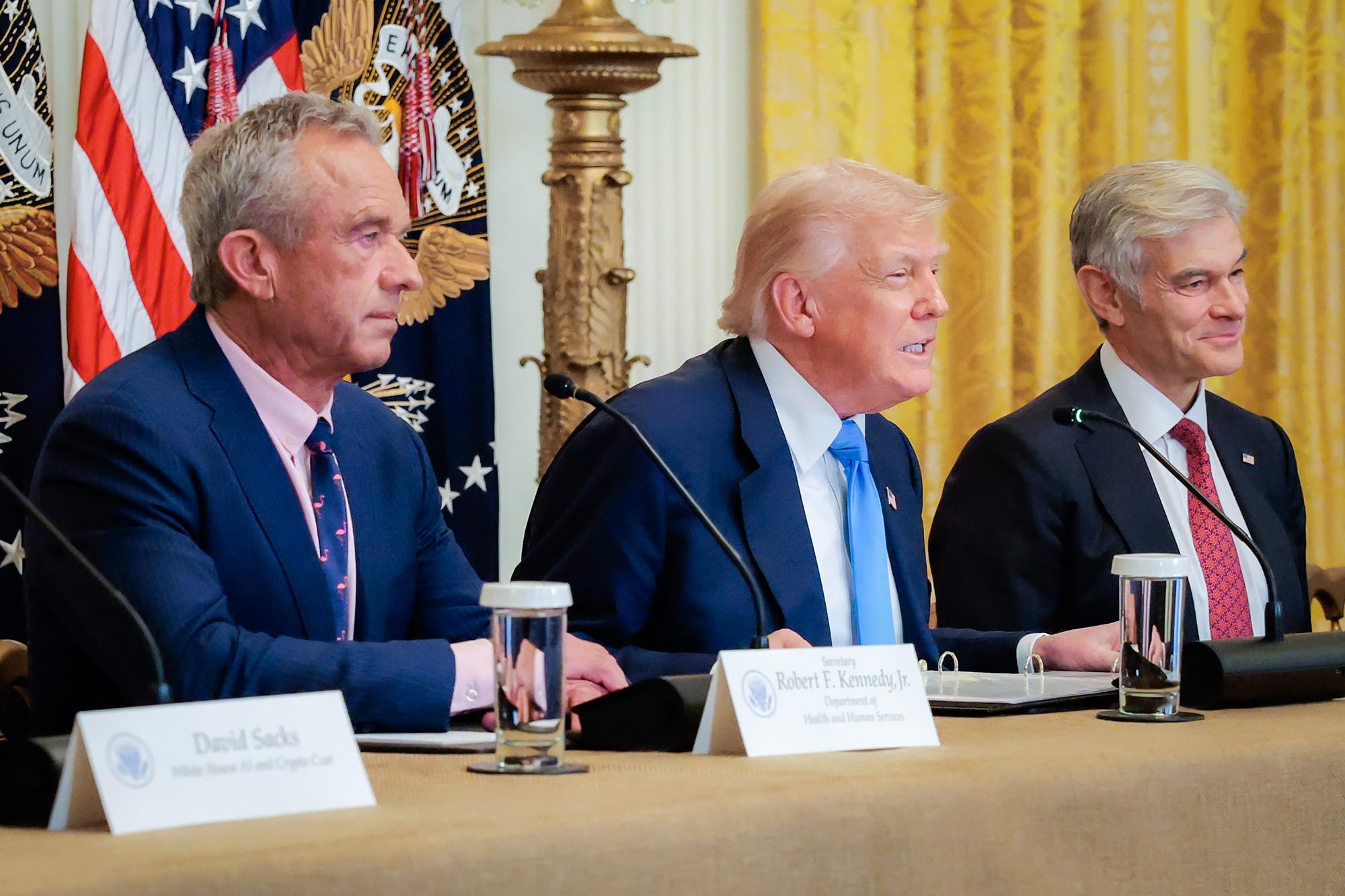
This approach aims to reduce costs by improving the overall health of the population.Health and Human Services Secretary Robert F. Kennedy Jr. described how this approach could work at the government level.
Kennedy’s approach relies partly on the federal government to root out perverse incentives that can put patients, insurers, food providers, and pharmaceutical companies at cross-purposes.
It also includes a cultural component, aiming to shift the way Americans think and behave with regard to their health.
The plan calls for a broad range of actions involving nutrition, including a revision of the Department of Agriculture food guidelines that consumers and institutions such as hospitals and schools use for meal planning.

Other actions include limiting or prohibiting the use of petroleum-based food dyes, especially in food delivered to schools; implementing a government-wide definition of ultra-processed foods; and seeking to develop guidelines to limit the direct marketing of unhealthy foods to children.
The plan also includes targeted research on air and water quality, microplastics, vaccine injuries, and the potential overprescribing of certain medications to children.
Other initiatives aim to limit direct-to-consumer ads for prescription medications and to increase public awareness of the health risks of excessive screen time, vapes, and pesticides.
Over the past 60 years, several major changes have been made to the U.S. health system, including the creation of Medicare and Medicaid in 1965, the Medicaid expansion of 1977, the Emergency Medical Treatment and Active Labor Act in 1986 as part of the Consolidated Omnibus Budget Reconciliation Act, the Health Insurance Portability and Accountability Act in 1996, the creation of Health Savings Accounts in 2003, the Mental Health Parity and Addiction Equity Act of 2008, and the Affordable Care Act of 2010.