BOURNE, Mass.—The daily commute in Bourne, Massachusetts, gateway to Cape Cod, can feel like a never-ending race, with frantic traffic challenging even the best drivers.
Sundays are especially hard for Kathy Anderson, a waitress at a popular restaurant a few miles from her home.
Waiting to leave her street in bumper-to-bumper traffic pushes her patience to the limit.
“We need to do something,” Anderson told The Epoch Times during a brief lull in service at Leo’s Breakfast Restaurant at Buzzards Bay on a Friday morning.
“Where I live, in Sagamore, it’s crazy. You can’t move at all.”
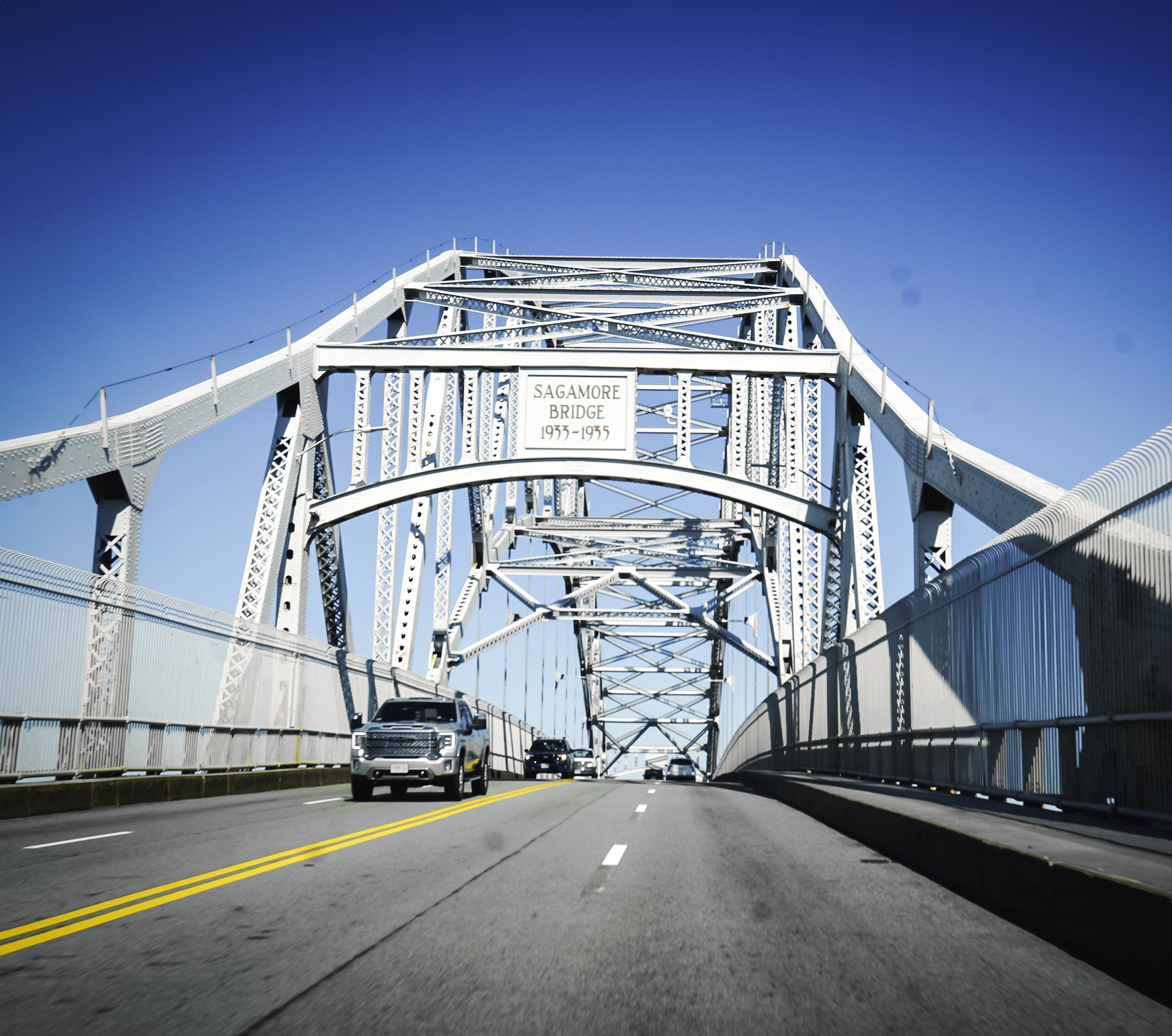
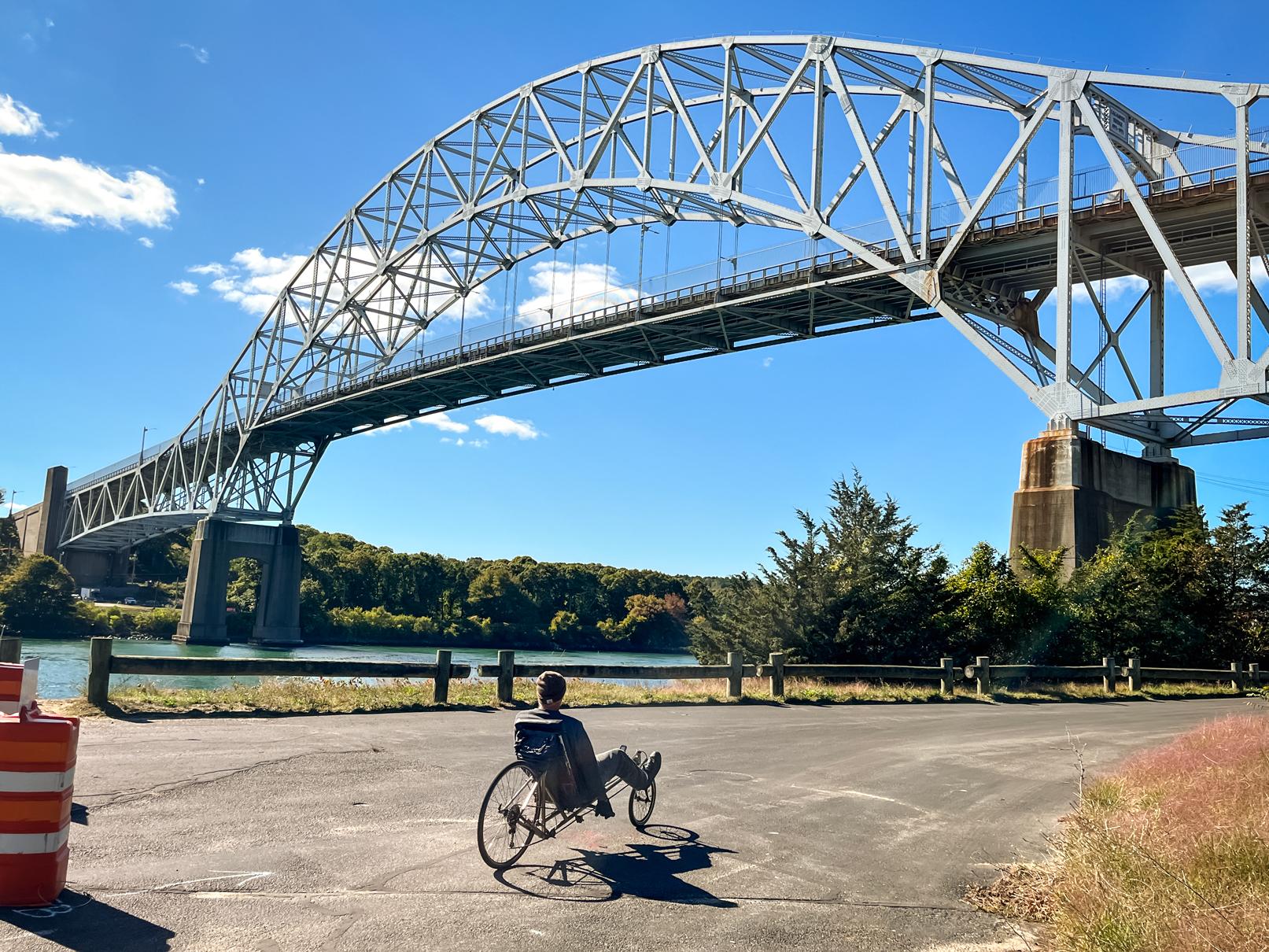
From her window, she can see the iconic Sagamore Bridge arching against the horizon. It is one of two aging steel giants that span the Cape Cod Canal.
Just three miles from the Sagamore Bridge, the Bourne Bridge rises stoically from the south along U.S. Route 6 in Buzzards Bay, creating another vital connection.
Both bridges serve as poignant reminders of their Depression-era past; the constant flow of cars and trucks on the narrow bridges, however, makes each commute stressful.
“Everybody goes home over the Sagamore Bridge on Sunday—and there’s only two main roads,” Anderson said.

Massachusetts plans to build new versions of the two bridges linking the mainland to Cape Cod over the next decade.

Each day, 163 million travelers journey across 41,677 bridges that are in poor condition, the report states.
Anderson said she views both the Sagamore and Bourne bridges as important symbols of Cape Cod history and identity. She also said she agrees with the state’s plan to build new ones over the next decade.
“We definitely need them [replaced],” Anderson said.
“I’ve lived here my whole life. I’ve seen traffic going along. It’s tripled since COVID-19.”
The change won’t be easy, she said.
At least a dozen Sagamore homes will be taken by eminent domain for the Sagamore Bridge project. Businesses will face major disruptions with traffic rerouting and other changes during construction.
‘Functionally Obsolete’
The Army Corps of Engineers built and owns both bridges, relics from the early 1900s that have served the region for 88 years but are now nearing the twilight of their service.Stretching 2,400 feet, the Bourne Bridge is the longest. The Sagamore Bridge is 1,407 feet, with a 135-foot clearance, matching that of its sibling.
“The purpose of the study was to determine whether major rehabilitation or replacement of either or both bridges would provide the most reliable, fiscally responsible solution for the future,” the report states.
On April 3, 2020, the Army Corps and the assistant secretary of the Army for civil works announced plans to replace both bridges.
“This solution provides the federal government with the best long-term investment for safe access to Cape Cod for the traveling public over the next 50-plus years,” the Army Corps said in its report.
Wider logistical issues underscore the problem: The Bourne and Sagamore bridges, like many other aging spans across the country, have faced ongoing maintenance problems and periodic collisions.
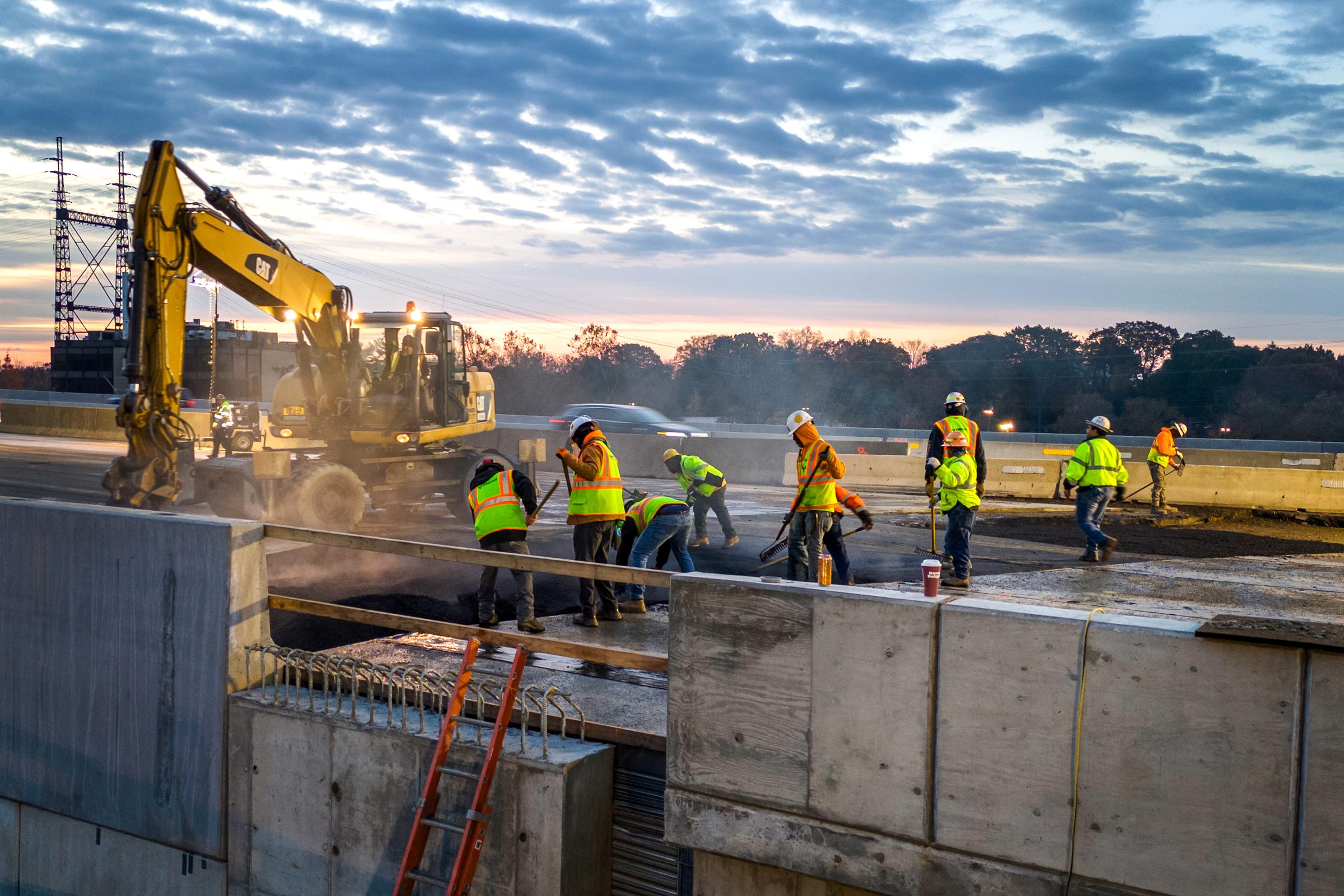
The Sagamore project lasted 53 days and caused significant delays for people driving to work, resulting in about $10 million in extra travel costs.
The Bourne project took 46 days and caused extra travel costs estimated at $4 million.
Cape Cod, a man-made island connected by two roadways and a rail line, depends on bridge access to the mainland for its economy, the Cape Cod Chamber of Commerce notes.
In 1935, when they were built, the Sagamore and Bourne bridges had fewer than 1 million crossings each year. Now, more than 38 million vehicles cross them annually.
The chamber said this is similar to the Golden Gate Bridge. If the bridges are not replaced, they will soon need major repairs, which could lead to lane closures or even a long-term shutdown of the entire bridge.
A complete closure of either bridge would result in an “unprecedented disruption to the regional economy,” the chamber warned.
Key to the upgrades is the federal Bridge Investment Program, which has delivered $27.5 billion in support to states through fiscal year 2026, according to the American Road and Transportation Builders Association report.
The program was established in 2021 by the Infrastructure Investment and Jobs Act, providing $40 billion over five years. This money is enabling governments to move forward with more than 6,000 bridge construction and repair projects.
The Department of Transportation bills it as the largest spending on bridges since the Interstate Highway System was built, starting in 1956.
But even as the list of deficient bridges slowly shrinks, the current pace of investment delays full repairs until 2071, the report added.
Over the next five decades, mounting deterioration threatens to outpace these efforts.
The report found that to improve bridge conditions, state and federal governments should raise annual spending on bridge repairs from $14.4 billion to $22.7 billion—a 58 percent increase.
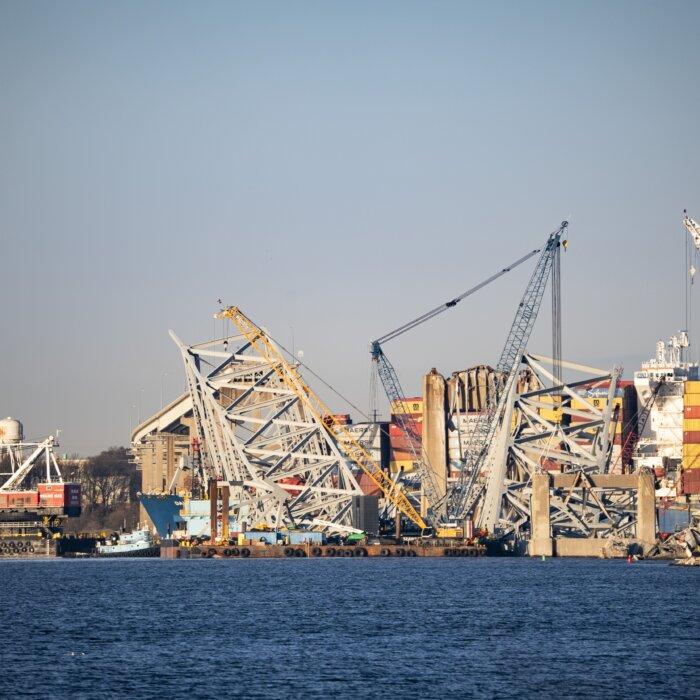
Francis Scott Key Bridge
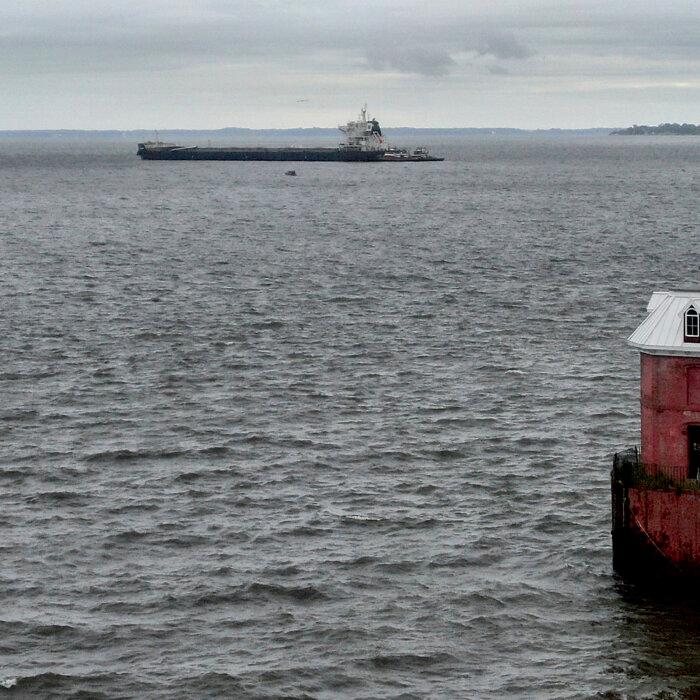
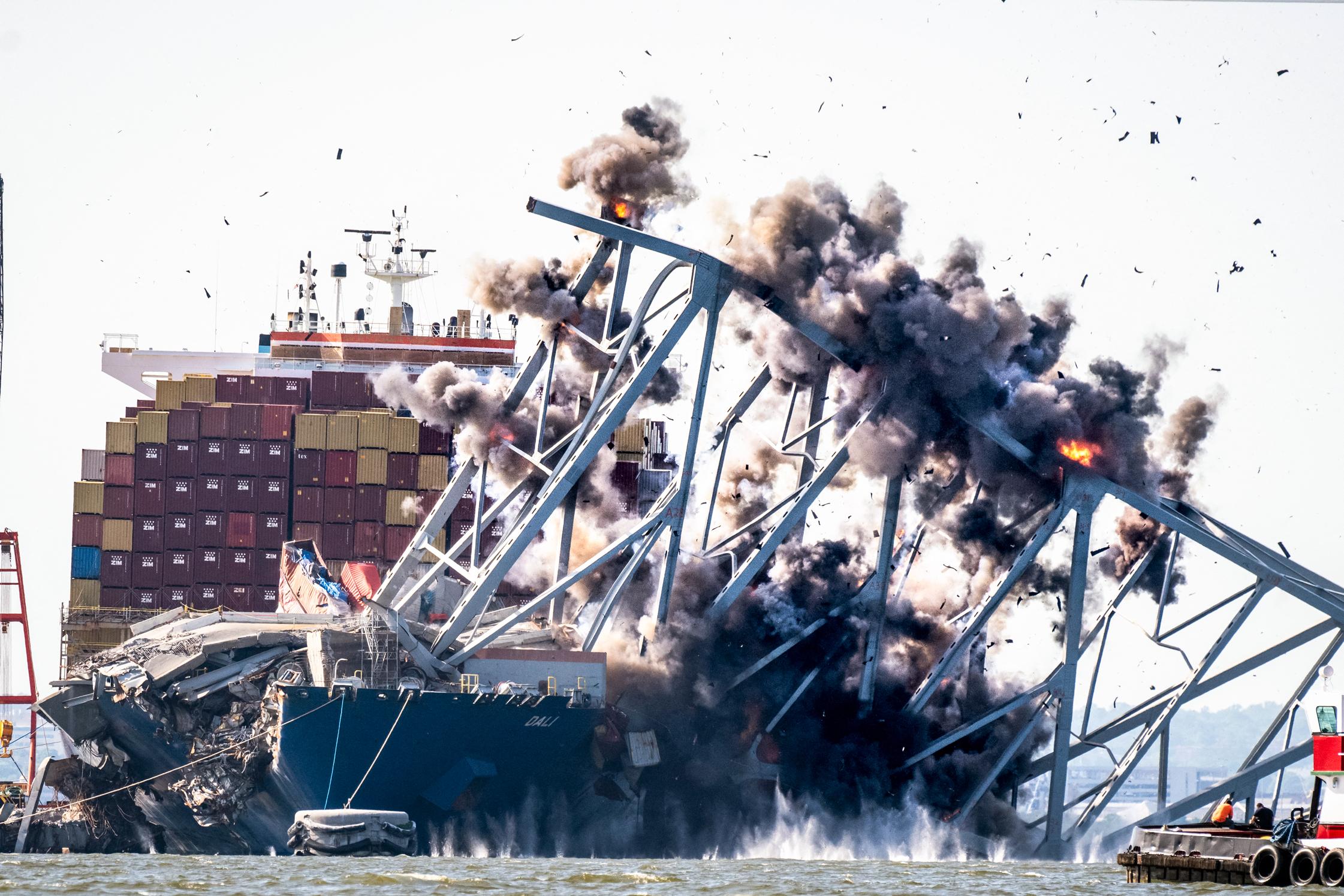
Federal officials began paying closer attention to the country’s aging bridges after the Singaporean cargo ship Dali lost power and struck a support pillar of Baltimore’s Francis Scott Key Bridge, causing part of it to collapse on March 26, 2024.Six people lost their lives in the incident.
Built in 1977, the 1.6-mile steel-arch trestle Francis Scott Key Bridge served an estimated 11.5 million vehicles annually as an additional crossing at Baltimore’s harbor to ease congestion on the two existing tunnels.
Early estimates of the cost to rebuild the structure ranged from $400 million to $2 billion. The original bridge cost $316 million, adjusted for inflation.
The planned bridge will stretch more than two miles, provide at least 230 feet of clearance below, feature 12-foot lanes in each direction, and have two towers reaching 600 feet.
The bridge is designed to last a century and reflect the character of the original bridge.
The Maryland Department of Transportation (MDOT) told The Epoch Times that a final price estimate for replacing the bridge will be made public when the design reaches 70 percent completion.
The state must also agree with its contractor on a guaranteed maximum price before sharing this information.
“We anticipate that process to be finalized later this year,” MDOT said.
“We remain committed to pursuing all available options to ensure the Key Bridge is rebuilt with safety, economic vitality, and sound stewardship of taxpayer dollars being top of mind.”
Pre-construction work on the bridge began in January, and demolition of the old bridge began in July.
Serving Ocean-going Vessels
In March, the National Transportation Safety Board (NTSB) released a report evaluating the Francis Scott Key Bridge’s vulnerability by applying a risk model to the accident.The model accounted for the bridge’s design, the protection of its piers, and the volume of vessel traffic.
The study found that the bridge was at greater risk of collapse from a vessel collision than the Association of State Highway and Transportation Officials (AASHTO) considers acceptable.
The Federal Highway Administration worked with other state departments of transportation. Together, they collected information about bridge safety equipment.
In this process, the agency found that owners of only four of 72 bridges that interacted with ocean-going vessels in 19 states had recently checked for weak spots.
The 68 other bridges were built before the AASHTO guidance was issued in 1991.
None of these bridges or sections, however, has been checked for weakness using up-to-date ship traffic information.
Their risk of collapse if struck by a ship remains unknown, the NTSB said.
In fiscal year 2025, the bridge recorded 33.75 million crossings, generating $161.1 million in revenue.
Skyway Concession Co. has owned the bridge since assuming operations on Jan. 26, 2005.
Since its opening in 1909, this iconic structure has become a vital artery for the city and is now on the federal list of bridges requiring a risk assessment. A $76 million repair project, known as Contract 15, has been underway since 2018.
The Sagamore and Bourne bridges are also listed in the survey of at-risk infrastructure.
Major Crossing
Each year, about 5 million people visit Cape Cod to relax on its sandy summer beaches, marvel at its windswept dunes, and explore its small coastal towns.“The importance of the Bourne and Sagamore Bridges to the region cannot be overstated,” Kristy Senatori, executive director of the Cape Cod Commission, said in a statement.
“The long-term viability of Cape Cod is inextricably linked to the health and fate of both bridges.”
The state is also adding $700 million of its own funds.
“This funding will be critical for getting shovels in the ground.”
Construction of the new Sagamore Bridge is scheduled to begin in 2027, and a Bourne Bridge project is expected to begin soon after.
Each span will be built off-site, allowing the continued use of the existing bridges during the project.
Once completed, the parts will be transported by barge to the canal and installed.

The state is awaiting federal grant approval to help fund the Bourne Bridge replacement project.
In Bourne, Anderson said that replacing the bridges should “help with traffic a lot,” but it could also hurt smaller businesses as lanes are closed and redirected.
“Some people are going to be displaced,” Anderson said.
She said she knows one couple who will lose their dream home.
Controlled Chaos
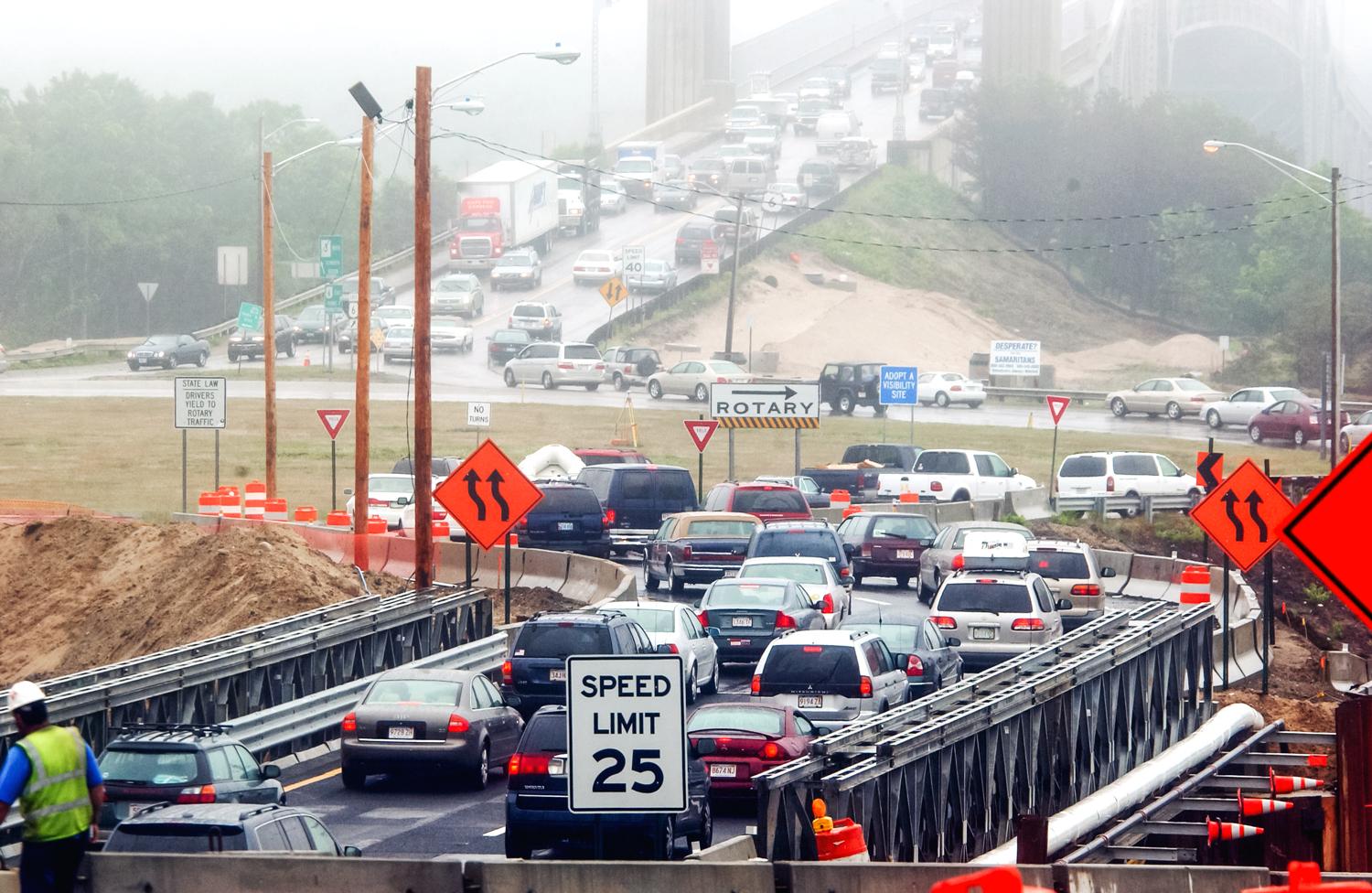
Mark Honan, a Bourne resident, questioned whether replacing both bridges will solve the ongoing traffic problems and bottlenecks near and over the bridges.He said anyone heading to Cape Cod by land must pass through the town, either along U.S. Route 6 over the Sagamore Bridge or on Massachusetts Routes 25 and 28 over the Bourne Bridge.
“This is going to be a mess. Ever since they did the rotaries, it’s been messed up,” Honan told The Epoch Times. “You can’t send that many cars over [the bridges] and not expect it to back up.”
“I don’t care if you put in five bridges,” he said. “You have two roads going to the Cape. If you’re not going to expand any of those, what is the point of doing this?”
Honan said he knows the bridges need to be replaced because they are old and worn out, but it will come at a cost to the community.
“This is going to cause chaos around here—not so much while they’re actually constructing the bridge, but when they have to tie the roads in. That’s going to be an epic mess,” Honan said.
“The parks won’t be the same. The bridges won’t look the same. That’s another concern.”
Honan said another problem is the traffic at the roundabouts on the way to both bridges. It has been the bane of daily commutes and vacationers heading to the Cape for as long as he can remember.
“During the summer, it doesn’t matter. It used to be just Fridays, but now Saturday mornings are worse than Fridays,” Honan said.
The federally funded project began with a $2.8 billion budget to replace Boston’s Central Artery with a multi-lane underground expressway and extend the interstate to Logan International Airport through a tunnel.
Rising costs, changes to the project plan, and errors regarding underground conditions, however, caused unexpected delays and extra expenses in the billions of dollars.

Elias Broufas, owner of the Buzzards Bay Barber Shop, said he anticipates a surge of traffic and mounting frustration as drivers navigate detours in Bourne while the Sagamore and Bourne bridges undergo construction.
“People, the locals, will still come out,” Broufas told The Epoch Times. “Tourists don’t usually stop unless they’re getting gas. This is kind of more of a pass-through town.”
Broufas said he’s ready for backed-up traffic and supports the bridge replacement project overall.
“It does need to get done, so I’m not opposed to it. There’s no stopping it,” Broufas said.
“I just dread the moment that it’s going to actually take place.”