This copy is for your personal, non-commercial use only. Distribution and use of this material are governed by our Subscriber Agreement and by copyright law. For non-personal use or to order multiple copies, please contact The Epoch Times Reprints.
This is a place that sings—metaphorically, poetically, and very much literally. Nicknamed Music City, Nashville is perhaps the best place in the world to enjoy a melody, a ditty, or a tune. While certainly synonymous with country music, many styles and genres are loved, celebrated, and performed on a very regular basis.
And it’s not just the music. There’s history and culture and natural beauty right in the heart of this Tennessee state capital, home to about 700,000 (with closer to 2 million in the metro area). Tour the sites. Eat the famous and mouthwatering cuisine. Definitely make sure to enjoy some live music. Lots (and lots) to do in a single day. But here’s our guide to getting the most out of Nashville in just 24 hours.
Arrival
Nashville International Airport opened way back in 1937, when it was called Berry Field, which explains its unique airport code—BNA. It still shares facilities with Joint Base Berry Field, which hosts units from both the Air and Army National Guard. The airport is by far the busiest in the state of Tennessee.
BNA is extremely well-connected to the rest of the United States. Delta, United, American, Southwest, Alaska, Allegiant, Spirit, and JetBlue all offer nonstop flights from pretty much every city of size across the United States. However, international options are far more limited, with just a small handful of direct routes landing here, including from Dublin, London, and Toronto.
As it’s located less than eight miles from downtown, it doesn’t take long to travel into the middle of the city. This is a case where a taxi or ride-share (or rental car) might be your best option. Depending on traffic, the trip from the terminal at BNA to Broadway can take just 15 minutes.
Morning
Begin the day at one of Music City’s most hallowed sites—sometimes called the Mother Church of Country Music. The famous Ryman Auditorium sits right downtown. More than a century ago, a rough-and-ready—and rather wealthy—riverboat captain found his faith. Thomas Ryman led the construction of the Union Gospel Tabernacle. Upon his death in 1904, everybody started calling it the Ryman Auditorium, and the name stuck.
Soon, the hall started staging less-sanctified performances. “The whole place smelled like fried chicken, everyone enjoying their dinner while bands played away,” a guide told me on one visit. Today, the Ryman hosts concerts as well as select performances of the Grand Ole Opry, a famed country music radio broadcast performed live since 1925.
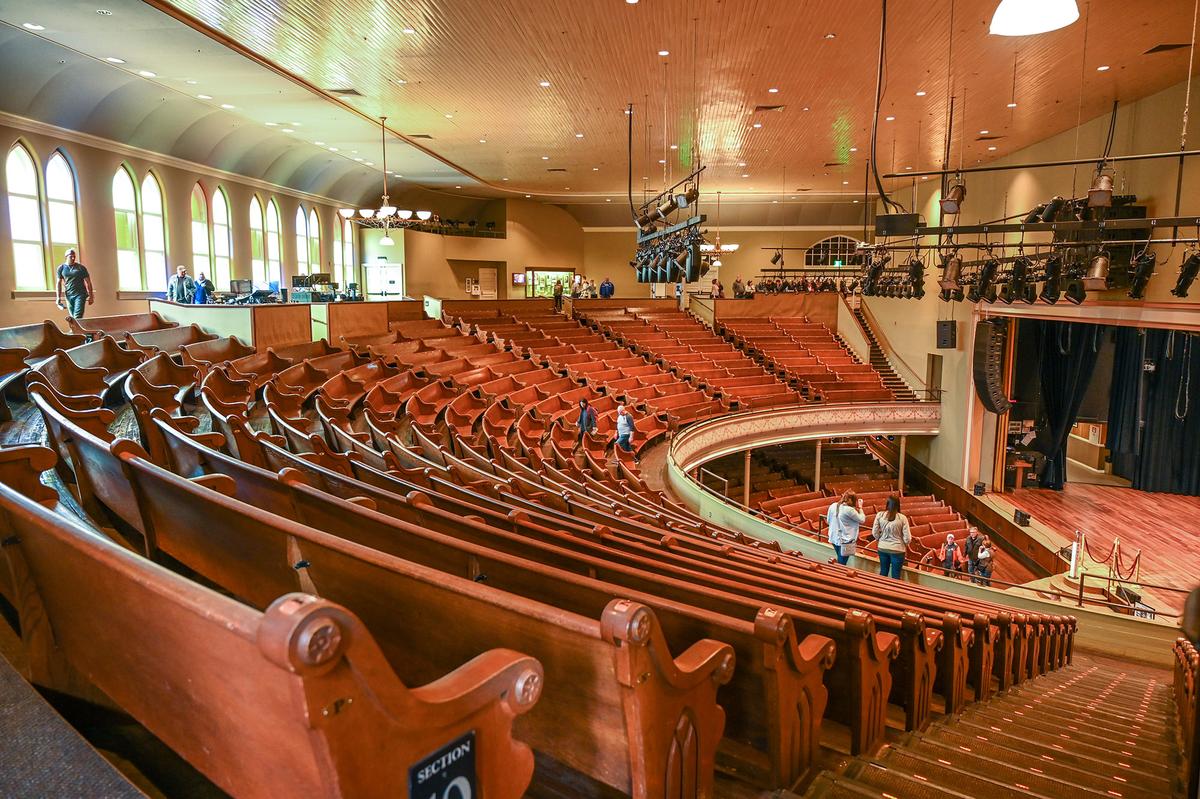
The Ryman Auditorium opened in 1892 and is known as the "Mother Church of Country Music." Rolf_52/Shutterstock
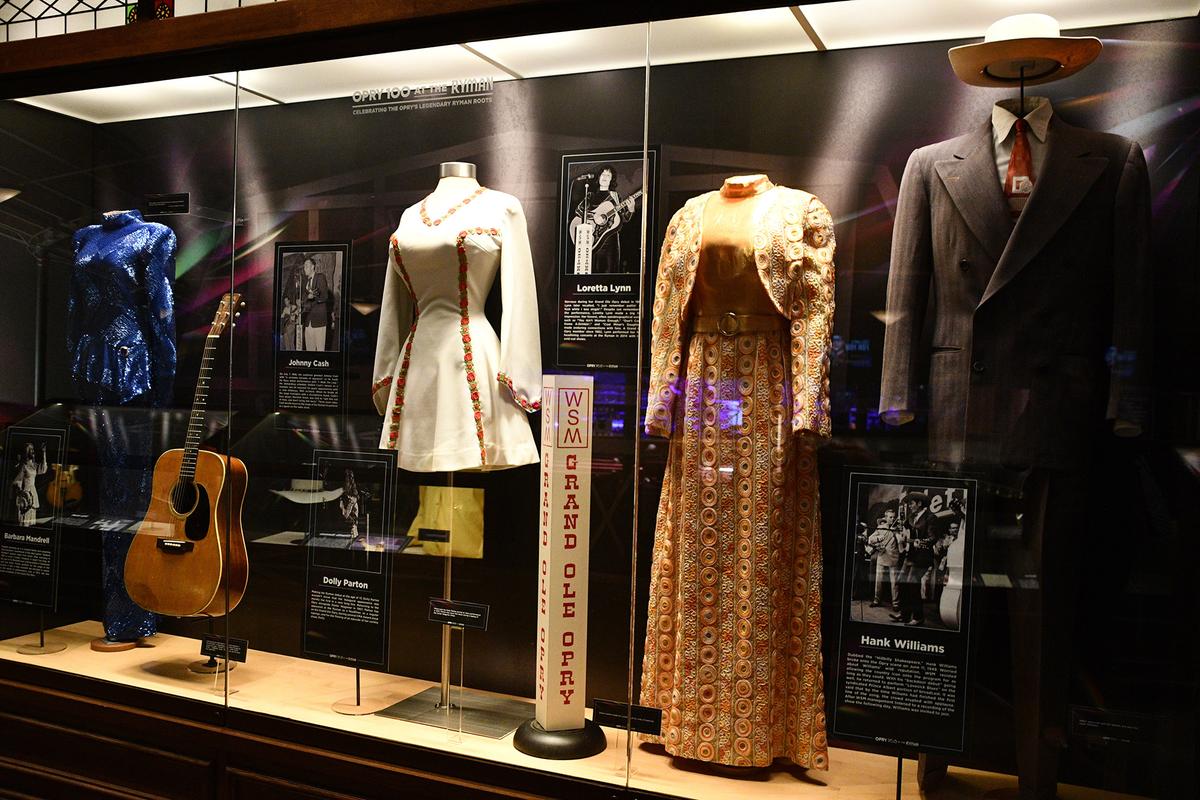
Exhibits in the Ryman Auditorium include stage costumes, original seating, Opry memorabilia, and interactive displays. Ritu Manoj Jethani/Shutterstock
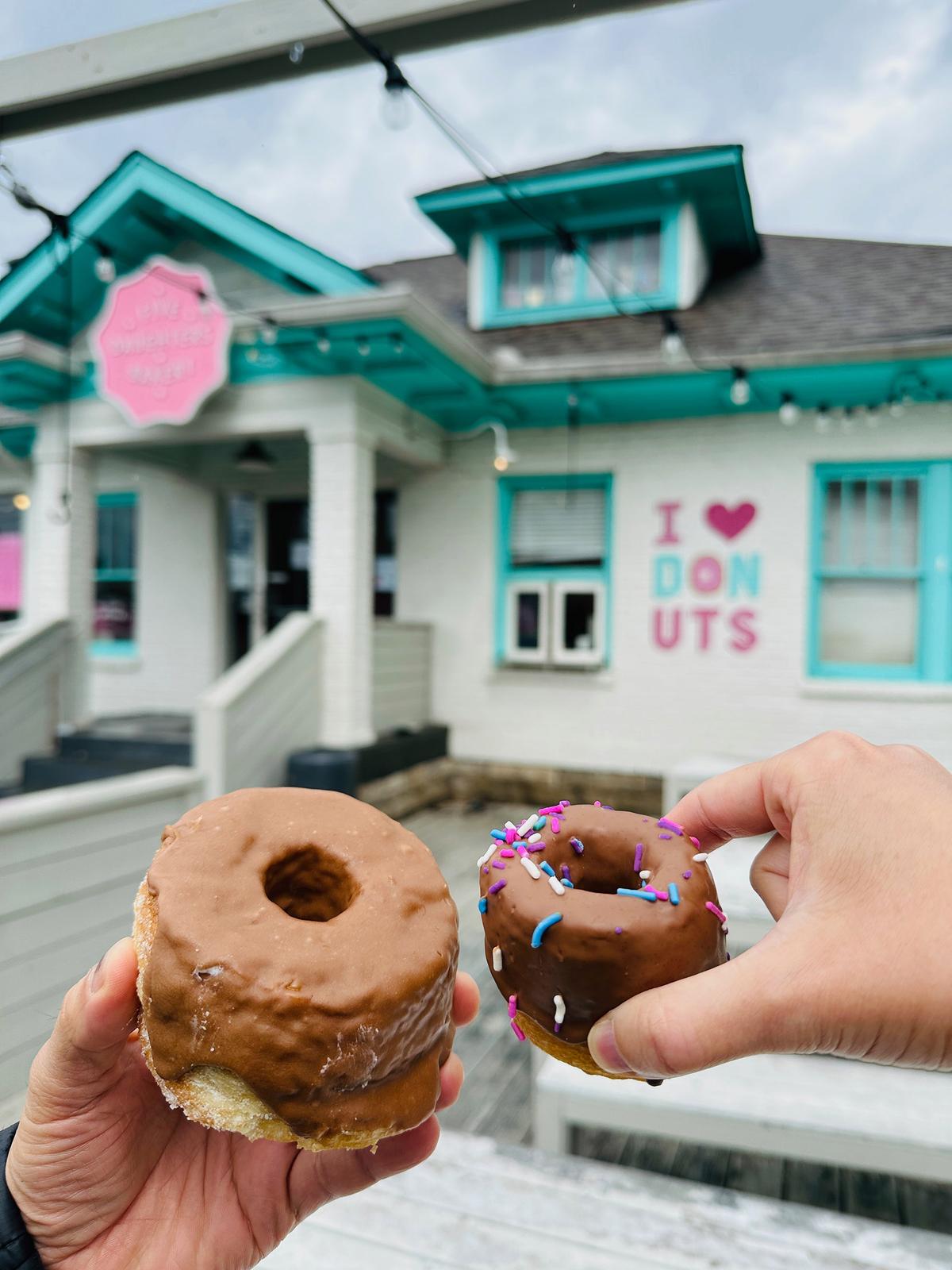
Perhaps grab a little grub at nearby Five Daughters Bakery, a small, family-owned local chain. Try a sweet roll. Or even better, pair a cappuccino with one of their 100-layer doughnuts.
Then, walk across the road, check out the historical marker to the birth of bluegrass (and the statue of legend Loretta Lynn), and take a tour. People can opt for self-guided explorations or take a two-hour VIP tour.
On the latter, the guide will regale with historical tales that also manage to entertain, and you can get your photo onstage, standing in the same spot as so many stars have. These range from Elvis Presley, Johnny Cash, and Hank Williams to Bob Dylan, Neil Young, and Louis Armstrong.
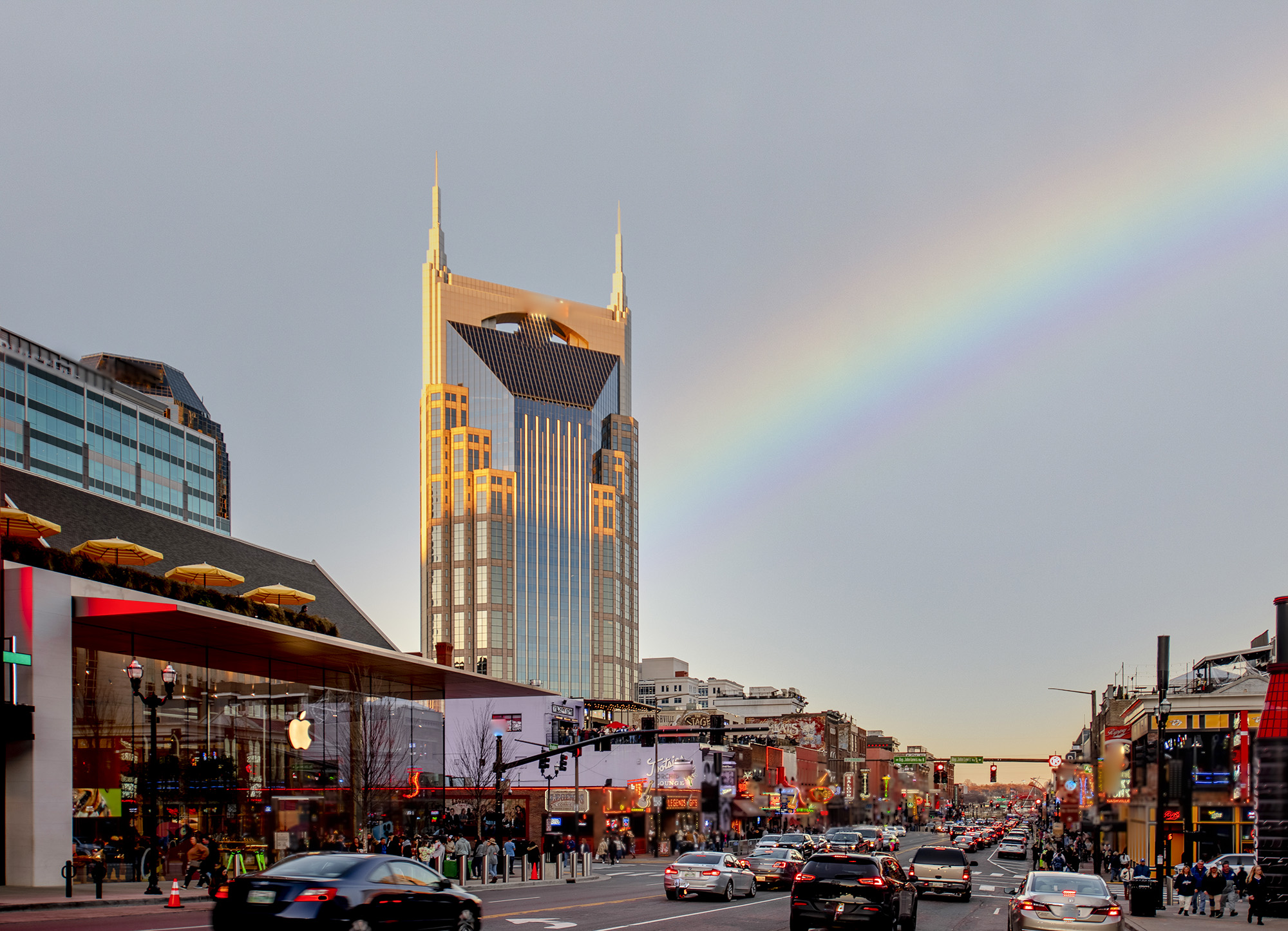
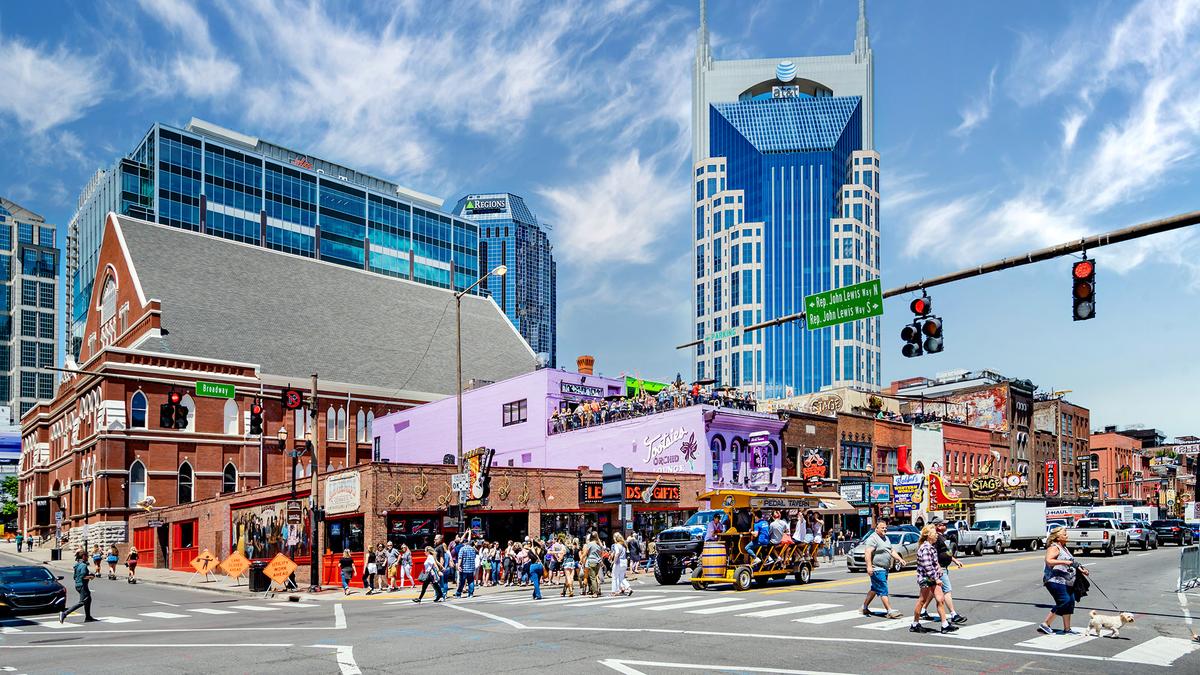
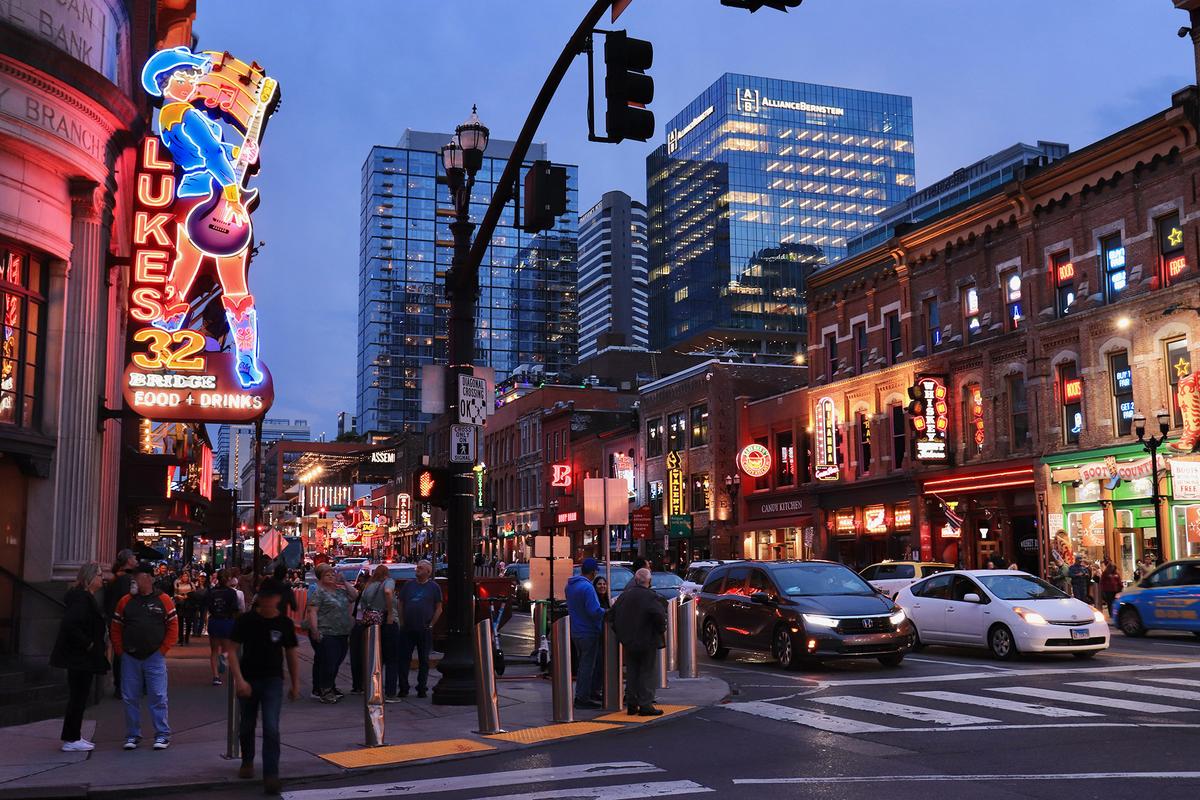
The corner of Rep. John Lewis Way and Broadway is part of Nashville's Lower Broadway, a popular entertainment and business district. Sky Noir Photography by Bill Dickinson/Getty Images
Doughnuts from Five Daughters Bakery in Nashville's 12th South neighborhood. Erika Cristina Manno/Shutterstock
Afternoon
Depending on how many doughnuts you enjoyed and how long you spent soaking up the narratives at the Ryman, you might be ready for an early lunch. Fortunately—again—good eats are easily found, right here. The Assembly Food Hall is just around the corner and an attraction in itself.
Some 20 culinary options are spread over three floors. This is a good place to try the now-famous (and seemingly ubiquitous) Nashville hot chicken. The background is as spicy as the dish. The story goes: In the 1930s, a man named Thornton Prince had a suspicious (and perhaps scorned) lover. In revenge, she doused his fried chicken with a scorching sauce. It became popular within the local black community before gaining its current worldwide popularity.
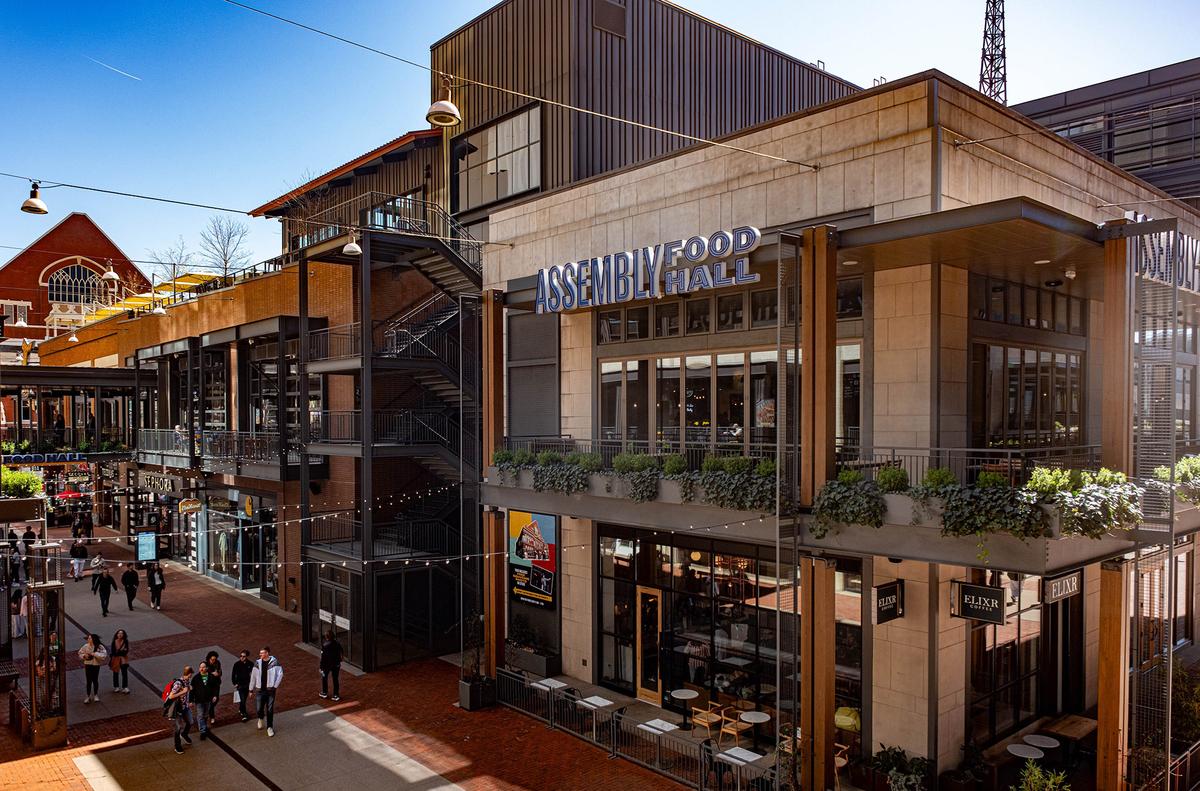
Assembly Food Hall features more than 30 eateries, bars, and vendor stalls on the intersection of Fifth and Broadway. Darryl Brooks/Shutterstock
At Assembly, you can find an outlet of the original Prince’s Hot Chicken. But lots more, too—everything from Southern barbecue, cooked low and slow, to tacos and pizza and even crepes. The rooftop deck often hosts open-air concerts.
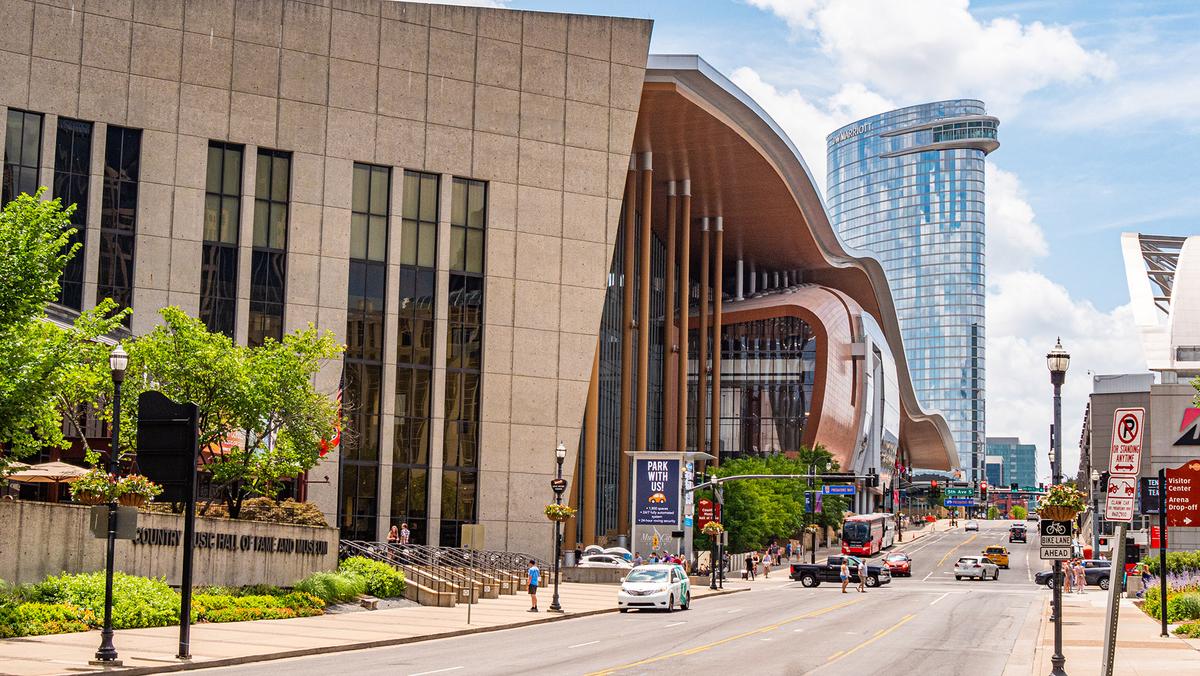
From there, it’s a five-minute walk to the ultimate Nashville can’t-miss: the Country Music Hall of Fame and Museum. Descending from the hills of the southern Appalachians, this essentially American form of music is celebrated here. Even the building’s design honors it, the facade resembling a line of piano keys.
The Hall of Fame enshrines the genre’s greatest artists of all time, their images and names displayed on bronze plaques. But it’s the museum that will mesmerize—and perhaps consume hours and hours of the afternoon. The whole facility comprises about 350,000 square feet of space.
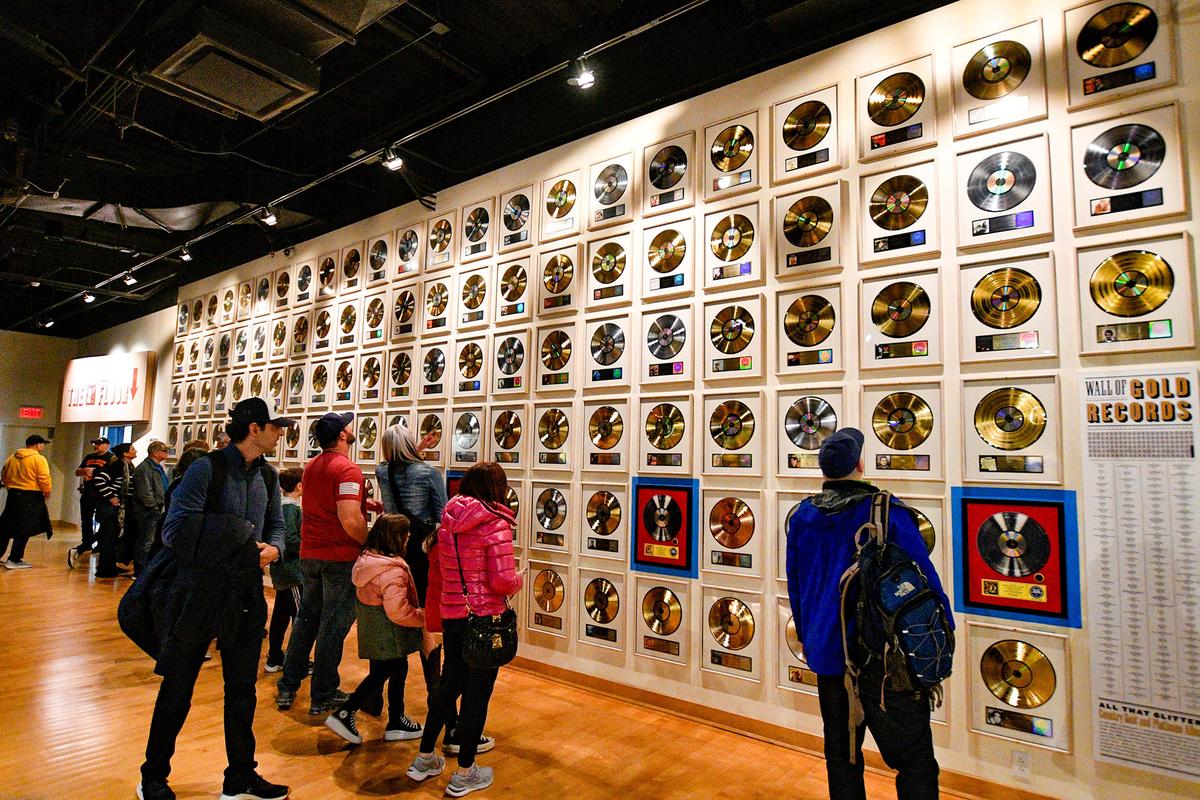
The Country Music Hall of Fame and Museum houses one of the largest collections of country artifacts in the world. 4kclips/Shutterstock
Exhibits in the Country Music Hall of Fame include historic records from famous artists. Ronaldo_Silva/Shutterstock
The permanent exhibition, “Sing Me Back Home: A Journey Through Country Music,” lays a path from the earliest days of the genre all the way to today’s most popular artists. This narrative trail is lined with treasures. Think everything from Bill Monroe’s mandolin to Nudie suits (not what it sounds like) worn by various famous artists, including, on one visit, Dolly Parton, to Elvis’s solid gold Cadillac.
Displays are multimedia, bringing together sound and film, lovingly preserved recordings, and other artifacts presented in modern form. Perhaps even more impressive—the thousands of items preserved in unseen storage facilities, which include everything from handwritten song lyrics to hundreds of musical instruments, and literally hundreds of thousands of images. Anyway, suffice it to say: Even casual fans, or really anyone who appreciates music of any type, will absolutely appreciate (and maybe even adore) this place.
Now, a change of pace—and some fresh air. As the afternoon wanes, it’s time to take advantage of one of Nashville’s most underrated urban natural wonders. The Cumberland River snakes right through the city. A company such as Nashville Water Taxi and its two-hour day cruise will give unique and really rather marvelous aquatic views of the city.
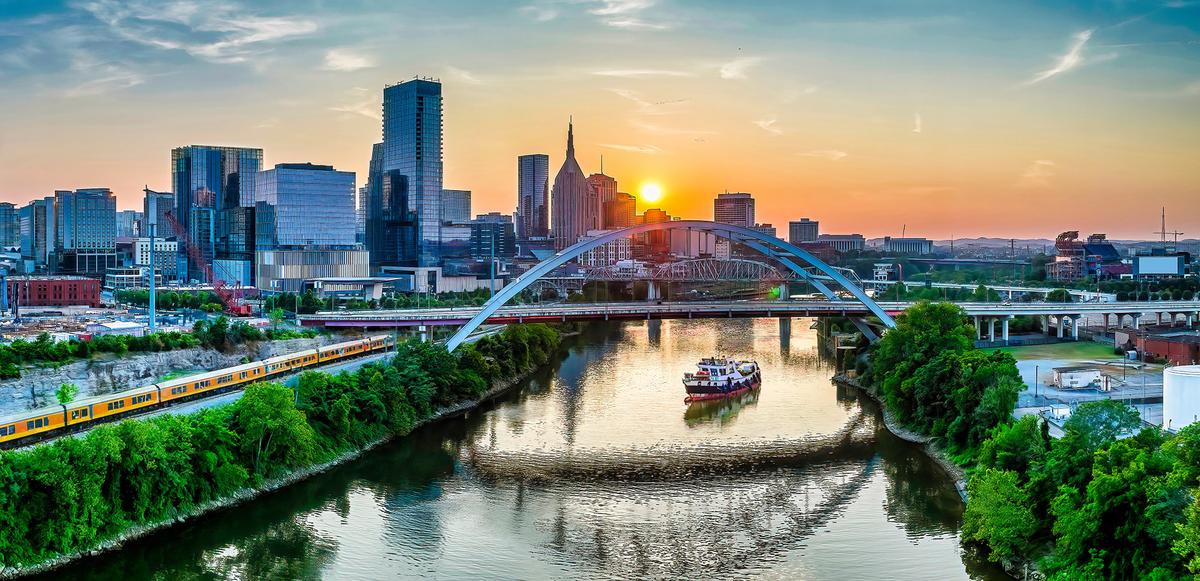
Climb aboard and curl under century-old bridges, and enjoy the glassy skyline rising up from the banks. Guides will share background and stories that track all through the decades, dating back to the early days when barges plied these waters and provided an essential income source for the city. Depending on the time of year and how the day’s going, the sunset cruise option is a particularly desirable choice—the lights of Tennessee’s largest city coming up as that big orange orb sinks over the horizon.
Despite its historic significance, Nashville's extensive urban development has given the city a contemporary skyline. Larry Gibson/Getty Images
Evening
What’s the best way to end a day in Music City? With more music, of course. The Bluebird Cafe, which is a very small venue located in a suburban strip mall, may not look like much. But it really is a legendary place. It’s not possible to overstate the importance of the Bluebird in the careers of some of music’s biggest stars. In addition to many others, performances here helped launch the careers of both Garth Brooks and Taylor Swift.
Dinner at the Bluebird is an option—they have a menu of pretty good pub grub. But don’t expect to chat and socialize over your food and drinks. Waiters (strongly) encourage you to consume quietly while you appreciate the artist on stage. (They even have an official “Shhh policy.”) Make sure to book ahead—tickets usually become available online, on their website, about a week in advance.
And then? Retire to your hotel, close your eyes, and let the tones and tunes and chords of the day still ring in your ears. Or, even better, head back downtown to Broadway and the line of live-music bars there. Major headliners have been known to slide onto the stage and play a few songs. But even if you’re just raising a glass to a journeyman singer or picker or player, it’s still the perfect way to end the day in Music City.
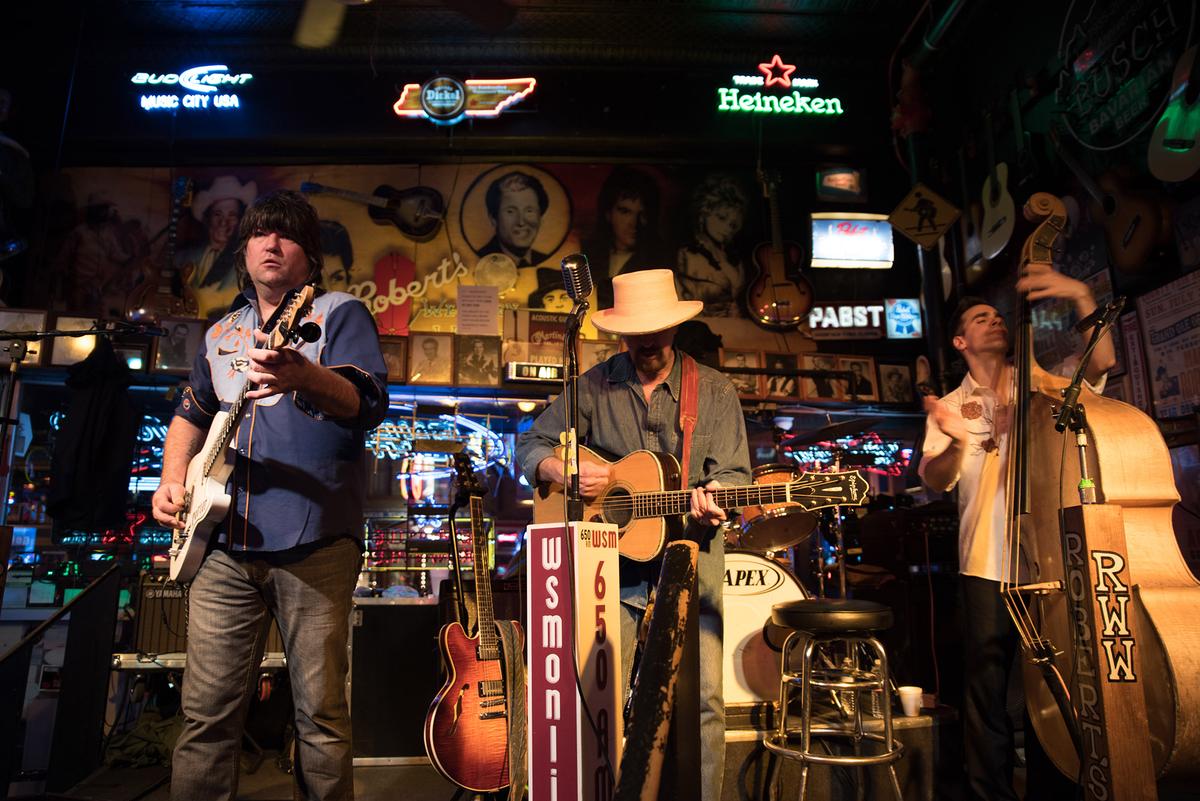
Nashville is known for its abundance of live bands performing daily in bars, music venues, and honky-tonks. Agave Photo Studio/Shutterstock
Lower Broadway attracts both tourists and locals for nightlife, dancing, and classic country music. Erika Cristina Manno/Shutterstock
___________
Music Row
Stretching along 16th and 17th Avenues South, “Music Row” is lined with the establishments that are essential, working parts of Nashville’s entertainment industry. Now, it’s not necessarily visitor-friendly. After all, walking into the offices of a record label or publishing house when you don’t actually have business there isn’t really a normal thing.
But the Country Music Hall of Fame and Museum offers a unique way to access it, through their guided Studio B historic tour. Offered seven days a week, tours will take you to the place where artists such as Elvis Presley, Roy Orbison, the Everly Brothers, and Chet Atkins recorded some of their most famous songs.
The Grand Ole Opry
Reportedly the world’s longest-running radio show—they’ve been on the airwaves since 1925—the Grand Ole Opry is now an institution. This show really put country music on the map. Historically, things took place at the Ryman Auditorium, although most performances are now played at a more modern concert hall farther out of the city center.
Typically, several shows take place every week, with Friday and Saturday nights the primary evenings. A number of artists take the stage—a mix of classic singers and some of today’s top bands and vocalists—each performing perhaps two to three songs. Old and new, country and bluegrass and soul and folk—it’s really worthwhile if you have the time to attend.