Newsletters
SPECIAL COVERAGE
Read More






Read More
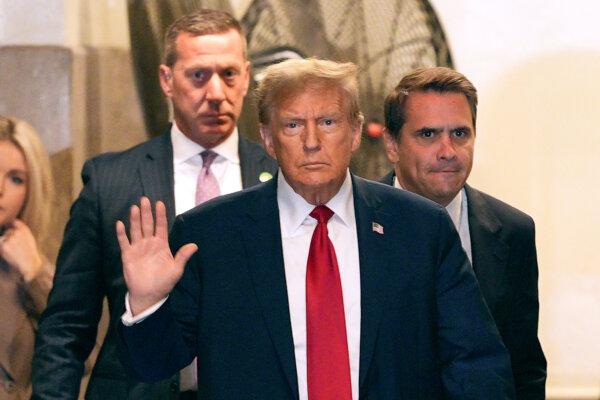
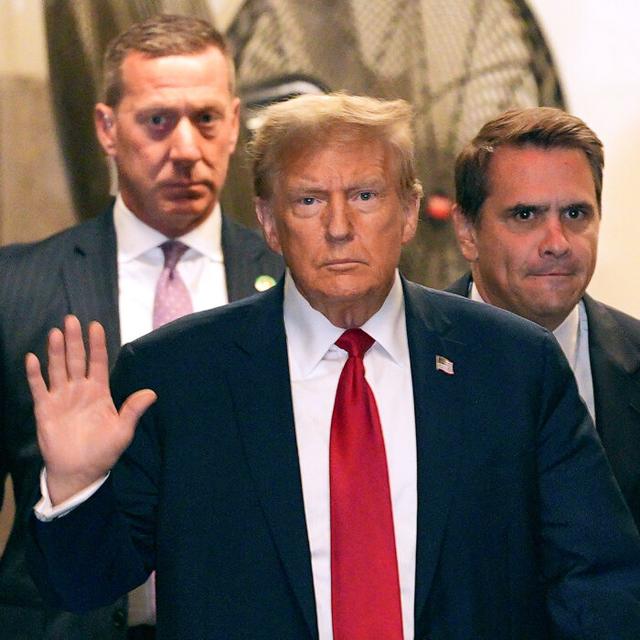
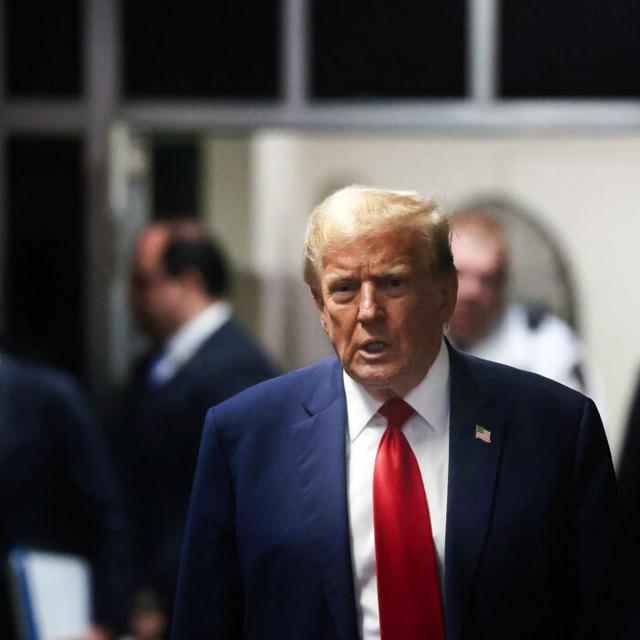
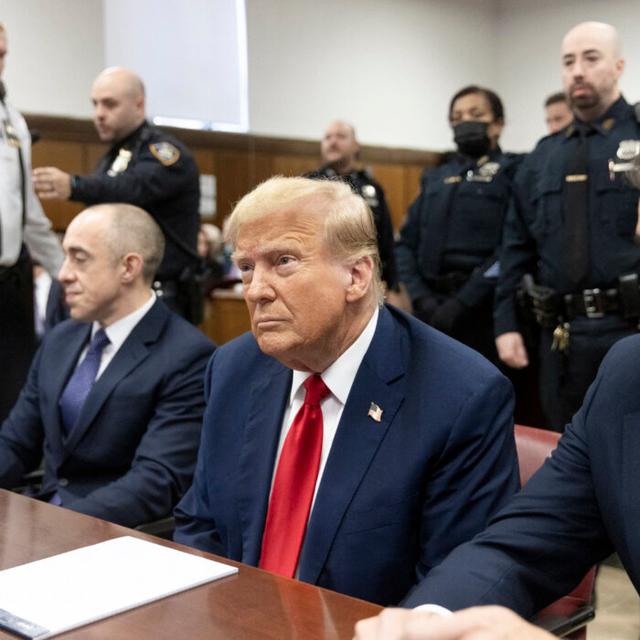
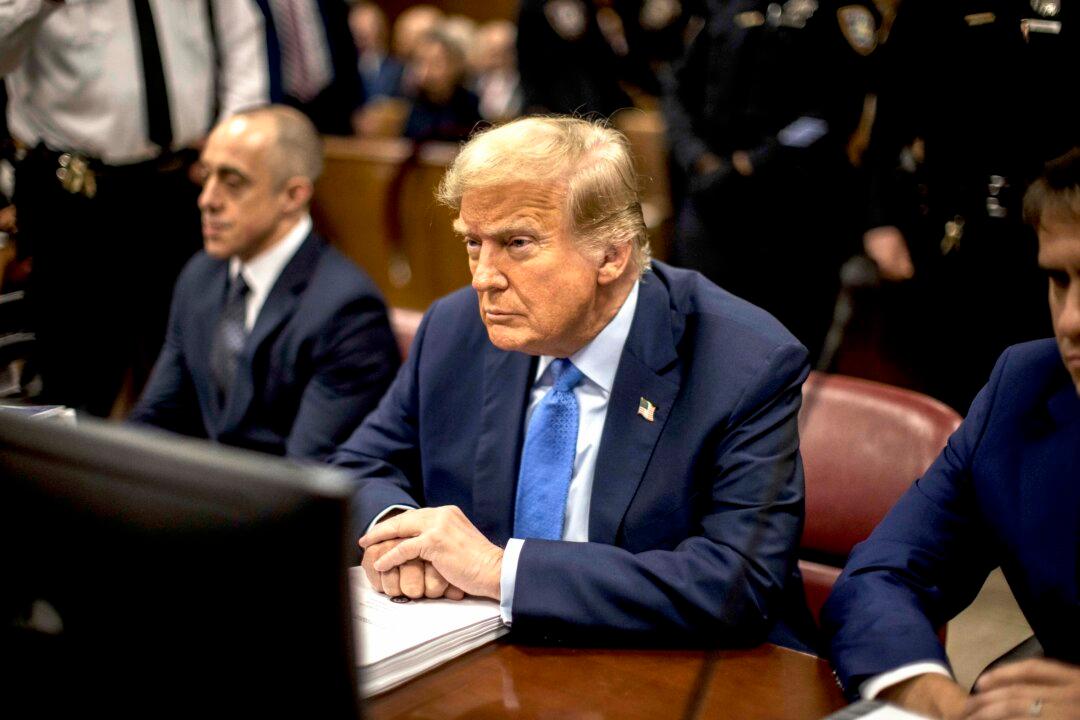
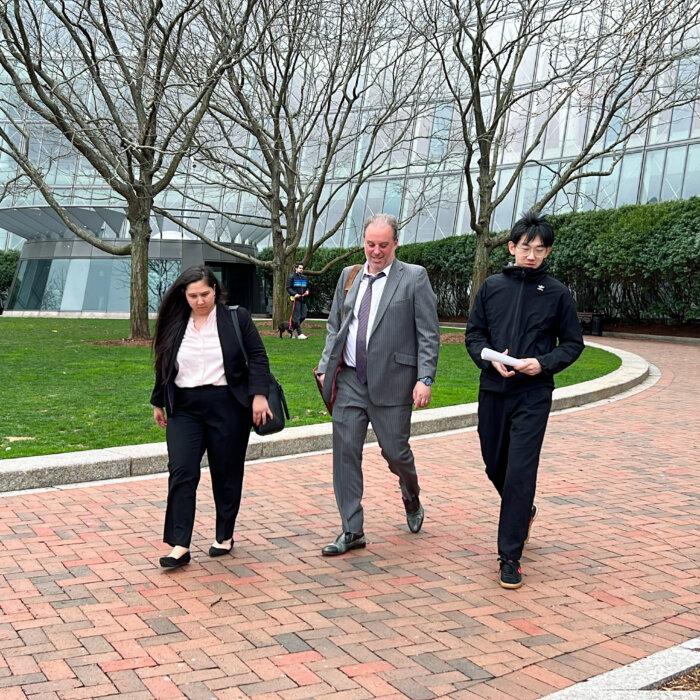
Pecker Admits to Inconsistencies in Testimony, FBI Report
David Pecker, former head of American Media Inc., is being questioned by Trump attorneys.

There’s a new global push for digital currencies, and SWIFT is now planning to roll out a new platform that will connect the emerging CBDC...
There’s a new global push for digital currencies, and SWIFT is now planning to roll out a new platform that will connect the emerging CBDC...
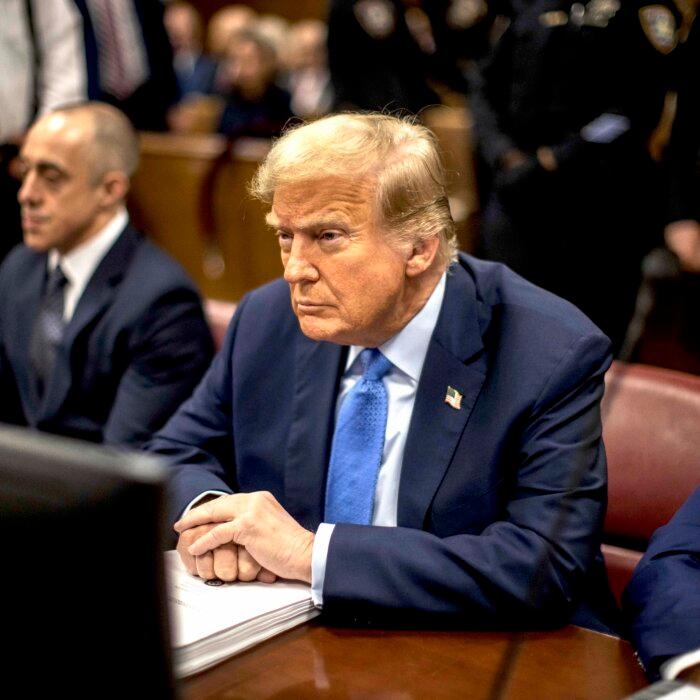
Pecker Admits to Inconsistencies in Testimony, FBI Report
David Pecker, former head of American Media Inc., is being questioned by Trump attorneys.

























Top Premium Reads










Top Stories








Most Read
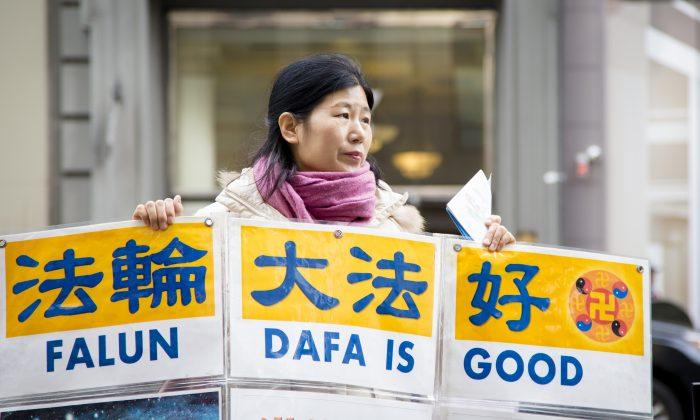
A Peaceful Appeal for Freedom 25 Years Ago Still Echoes Today
About 10,000 people congregated in Beijing on a spring day in 1999, in one of the largest protests in China’s recent history—known as the April 25 appeal.

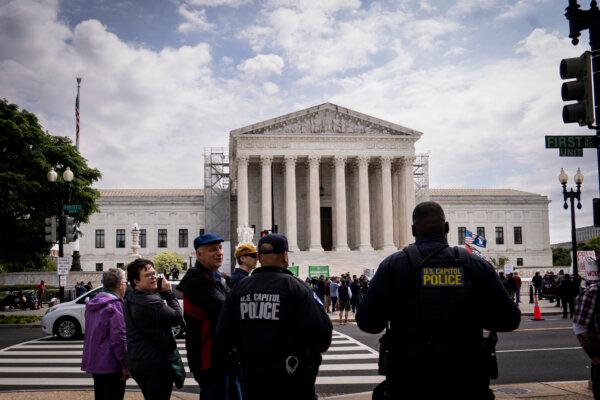
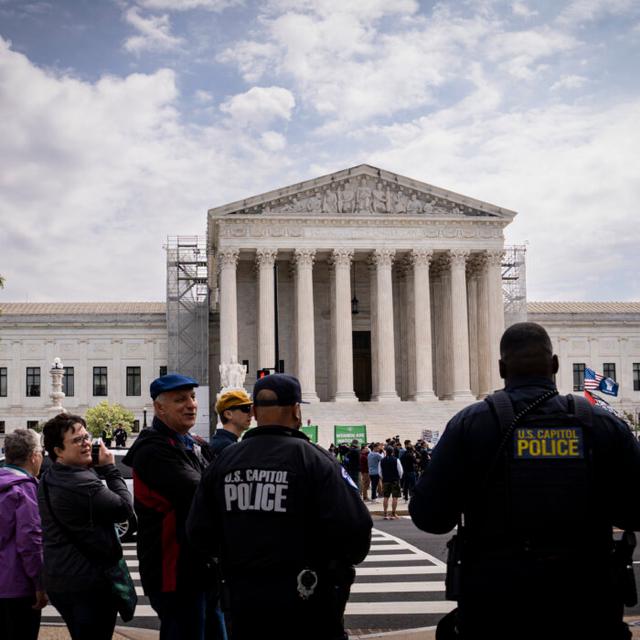
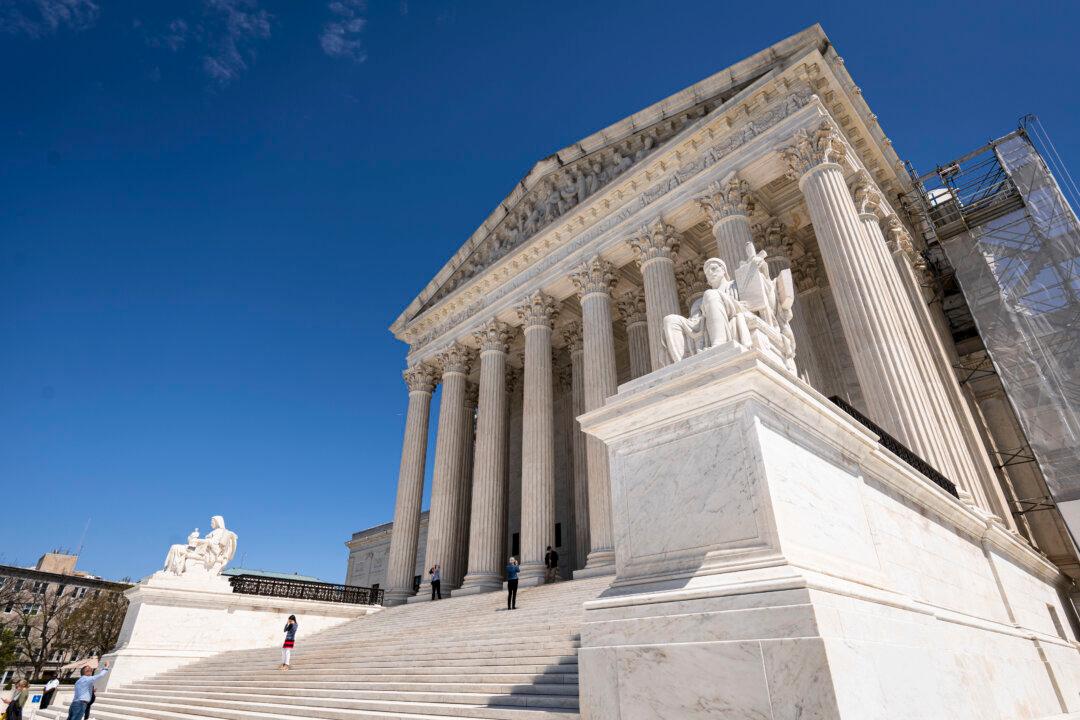
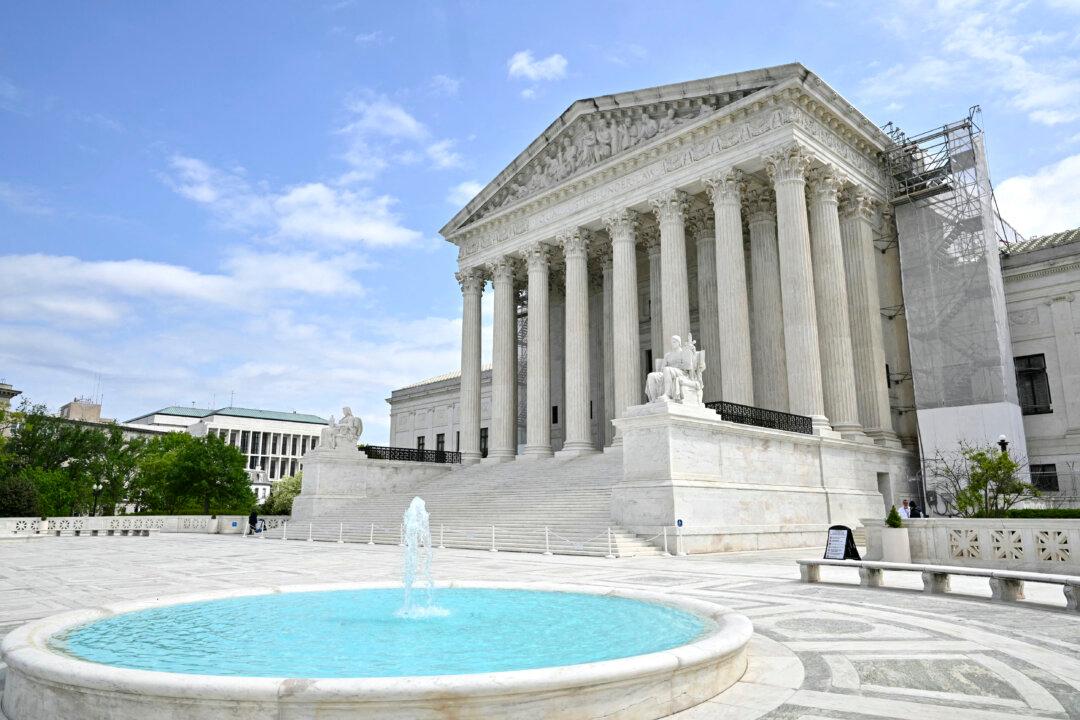
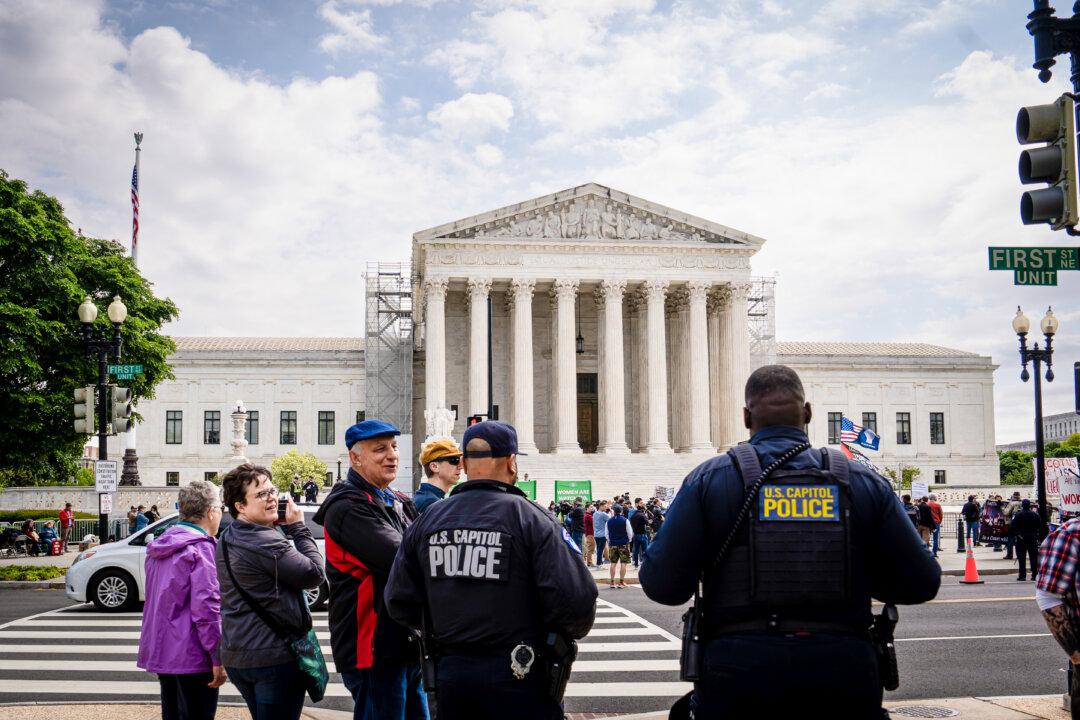
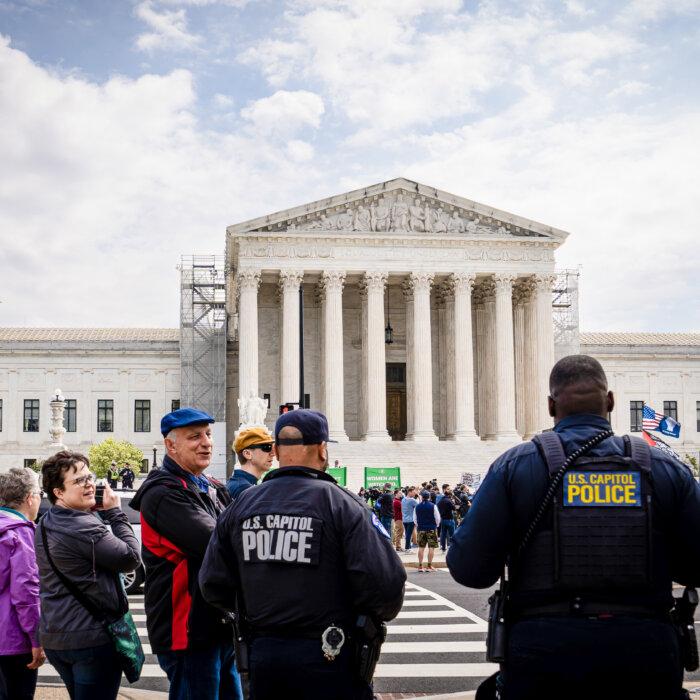
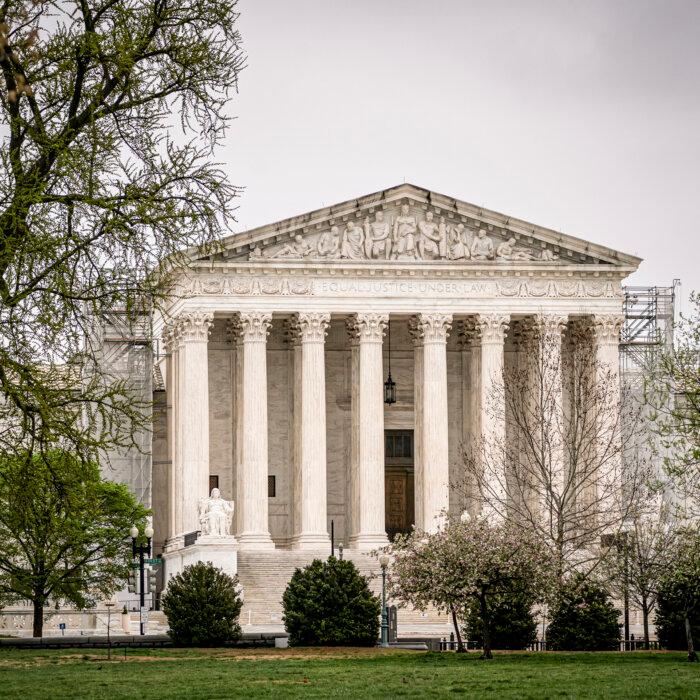
Supreme Court Seems Open to Allowing Some Presidential Immunity, May Delay Trump Trial
Justices wrestled with how to define a president’s ‘official’ versus ‘private’ acts. A decision may delay President Trump’s trial, which would hand him a win.
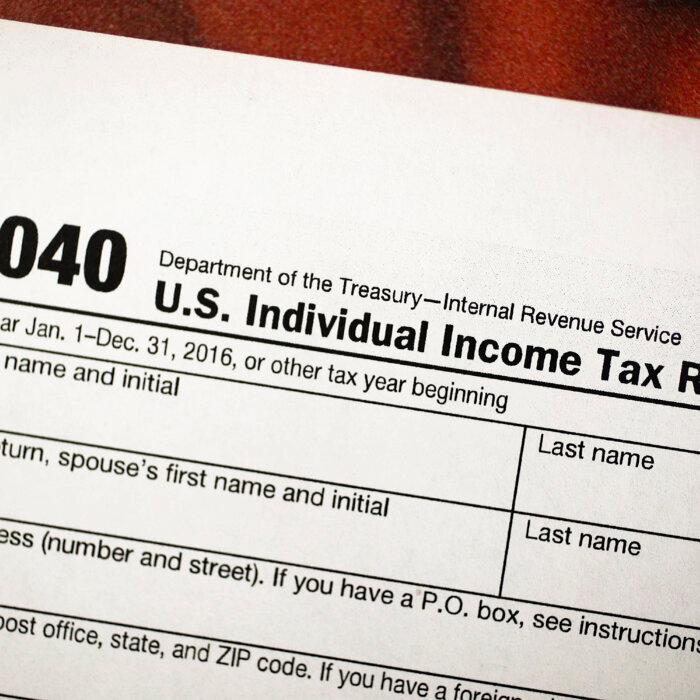
Group Issues Major Warning on Federal Agency’s Proposed Tax Increase
A policy group this week warned that the U.S. Department of Treasury’s proposed budget could significant increase taxes for certain Americans.

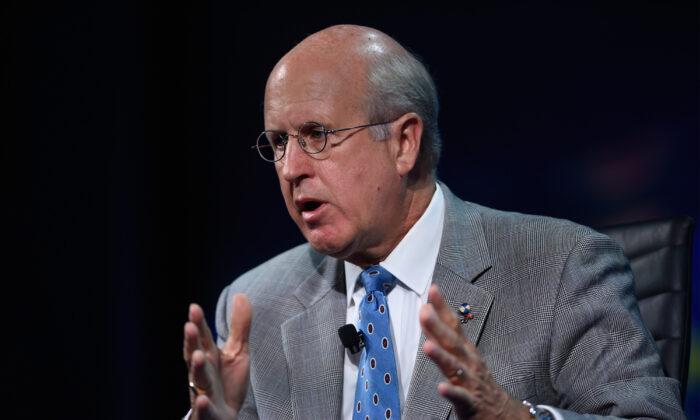
Washington’s Fiscal Mess Is Irresponsible, Unethical, Immoral: Former US Comptroller General
‘We’ve lost our sense of stewardship,’ David Walker said.
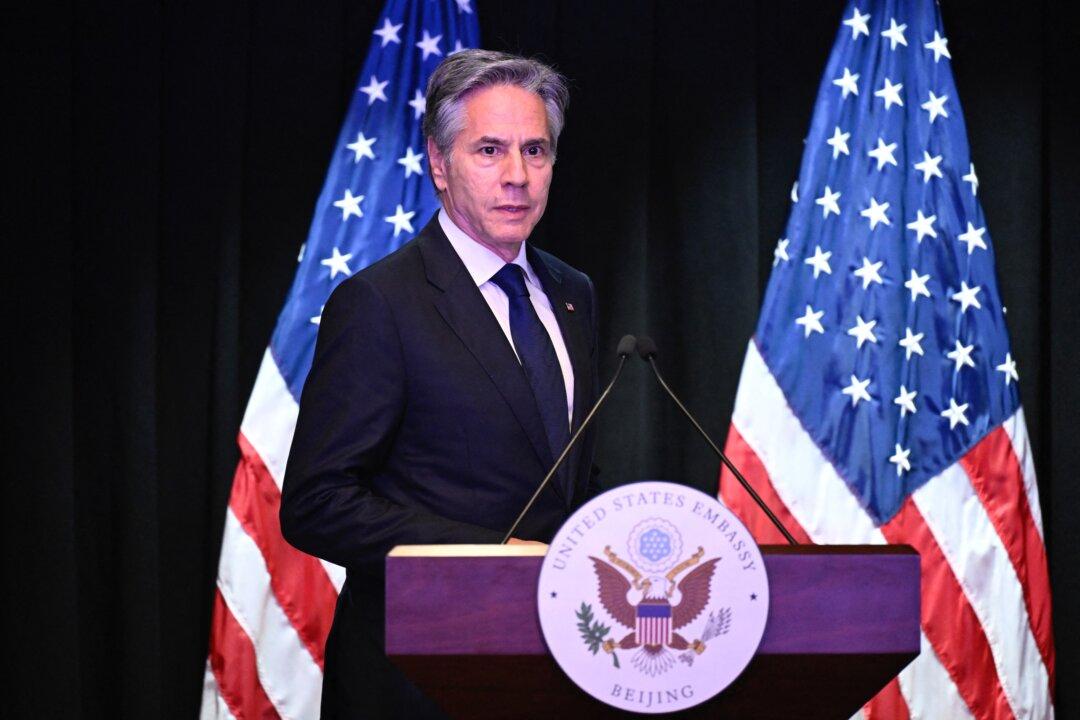
Blinken Meets CCP Leader Xi, Questions China’s Support for Russia’s War
The US has learned evidence of CCP’s ‘attempts to influence and arguably interfere,’ Blinken says.
Fed’s Preferred Inflation Measure Rose More Than Expected
Next inflation stop will be the consumer price index.


Congressional Commission Demands CCP End Decades-Long Persecution of Falun Gong
Less than three months after the appeal, on July 20, 1999, the Chinese Communist Party launched the brutal persecution of Falun Gong adherents across China.


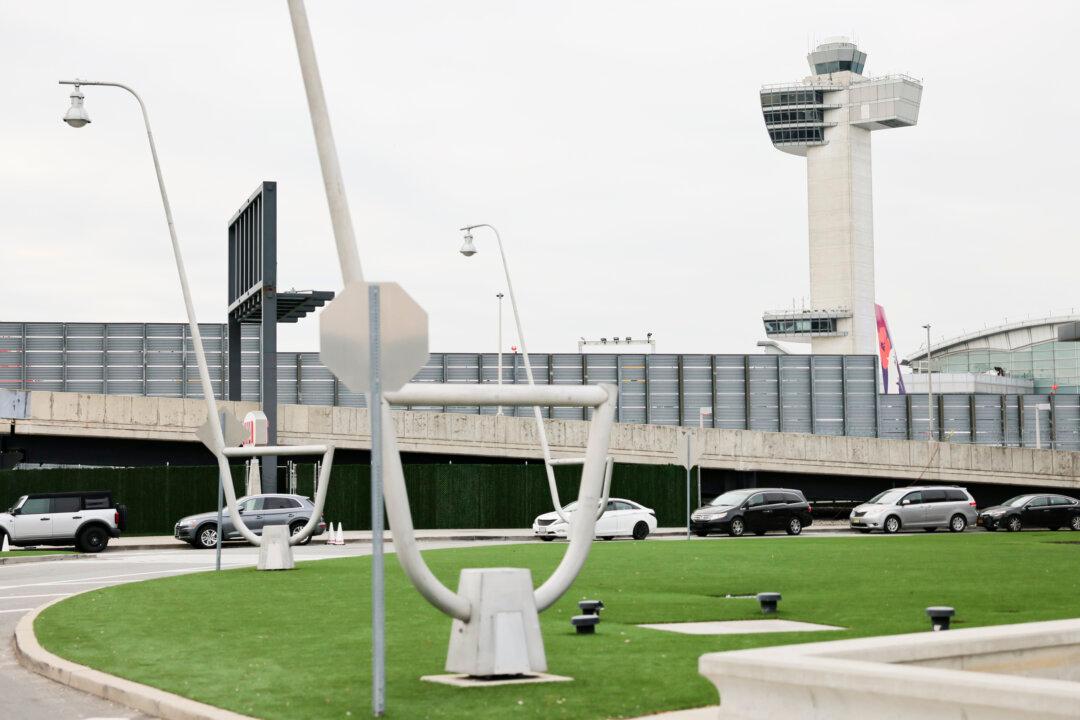
Planes Almost Collide at 2 Major Airports as Boeing Probe Advances
Some aviation experts argue the FAA’s focus on ‘diversity’ instead of ’merit' in hiring pilots and controllers is leading to serious safety concerns.

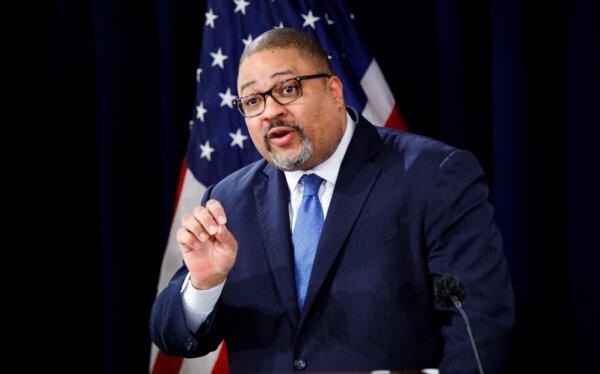

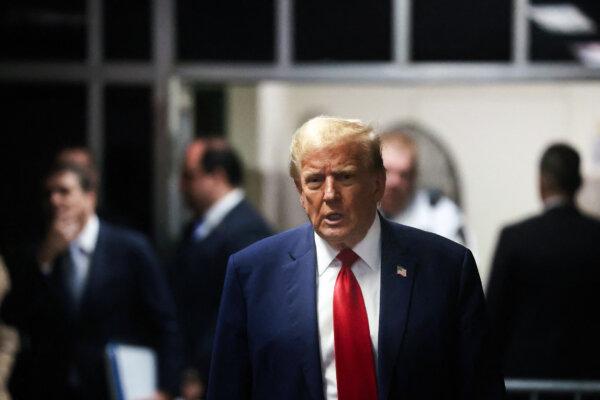
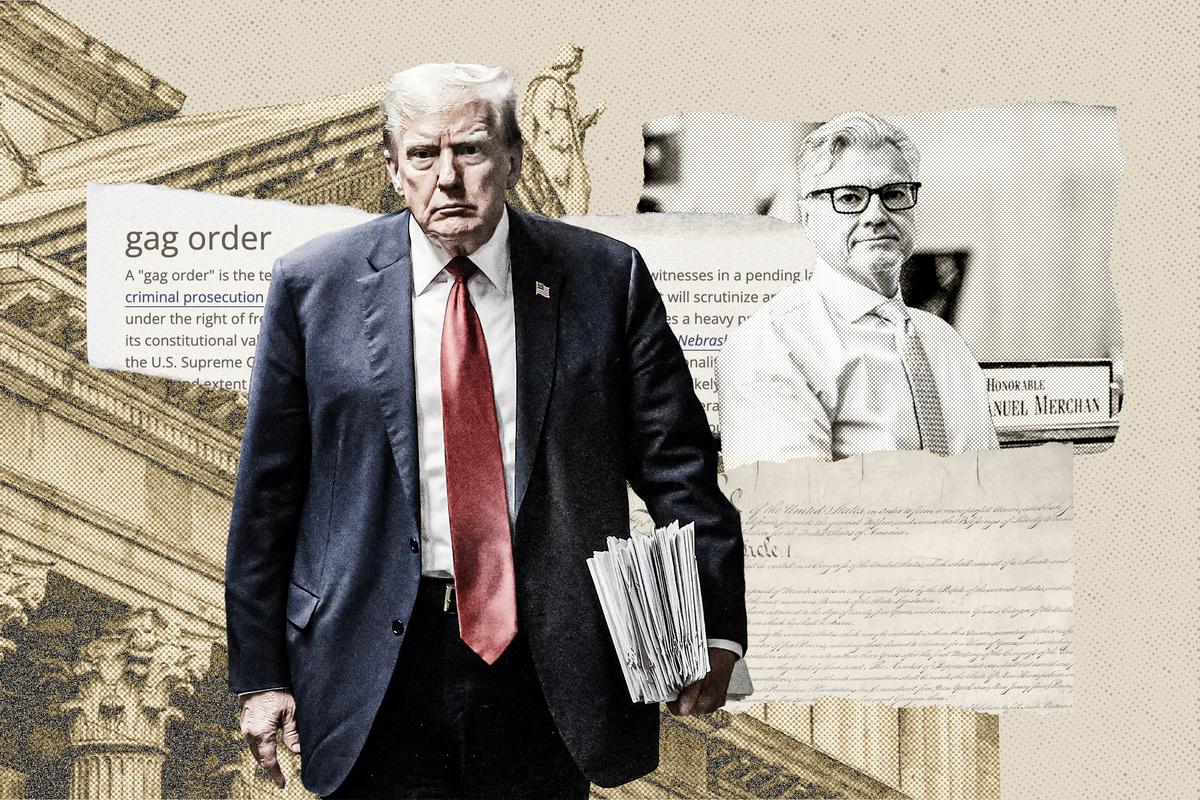
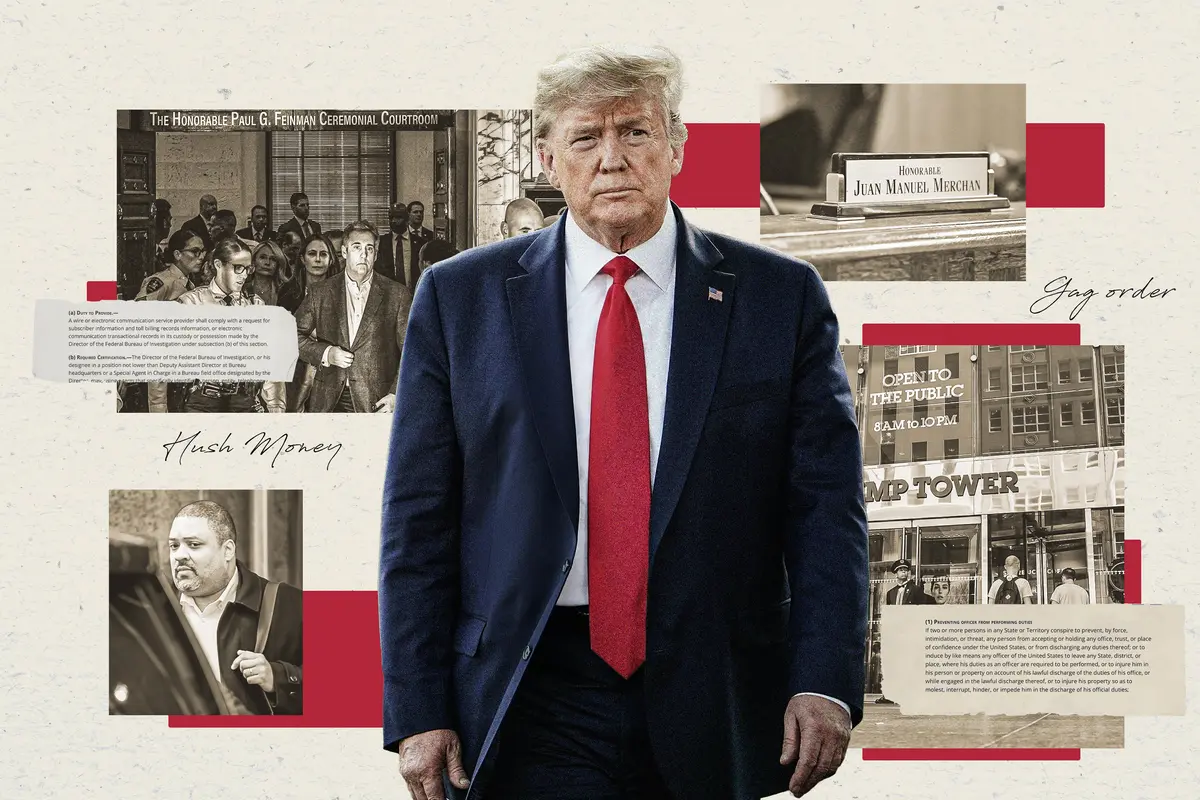
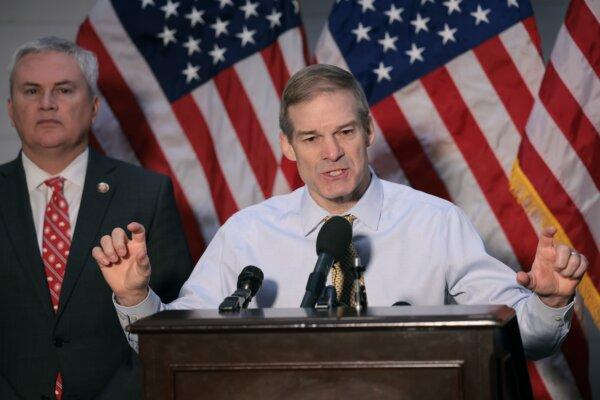
Manhattan DA Accused of Politically Motivated Prosecution in Trump Trial: House Report
‘Bragg’s politically motivated prosecution of President Trump threatens to destroy this notion of blind justice,’ the committee alleges.

Pentagon Moving Ahead With Plans to Pull US Troops From Niger, Draw Down in Chad
While working to expel Western forces that have previously been stationed in the country, Niger’s junta government has begun to form partnerships with Russia.


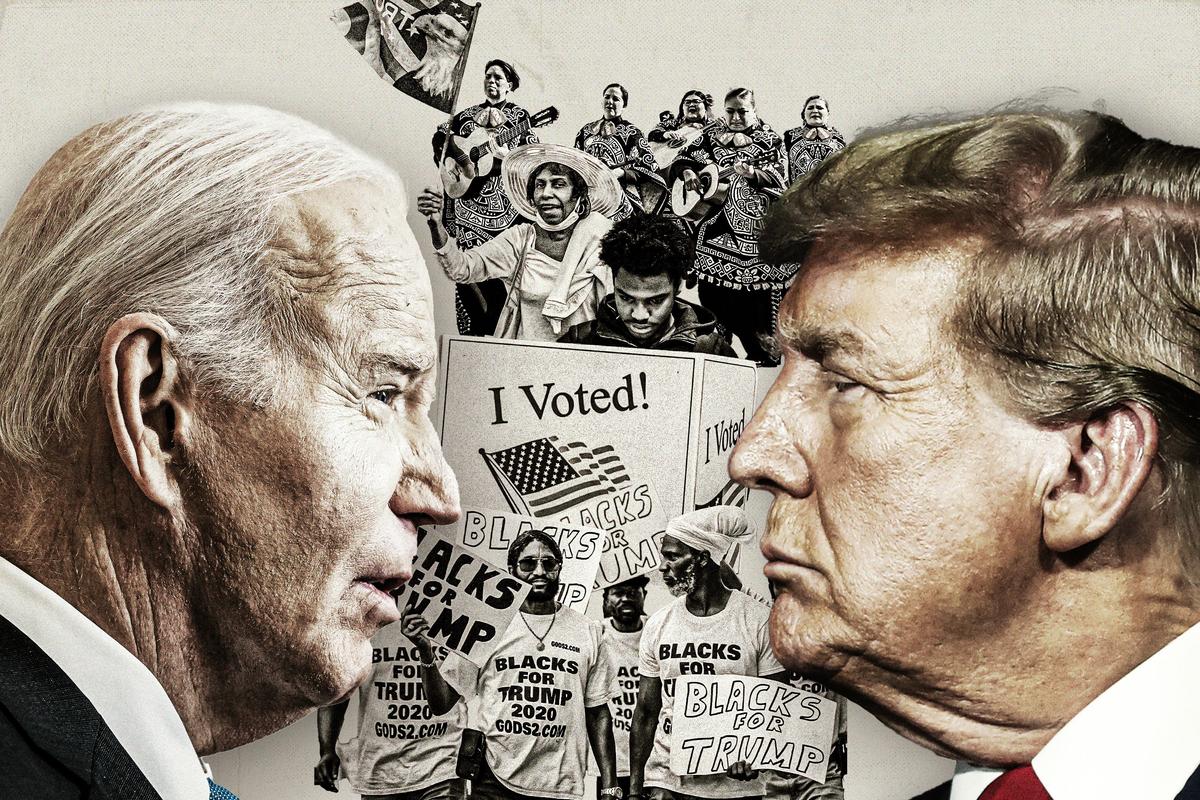
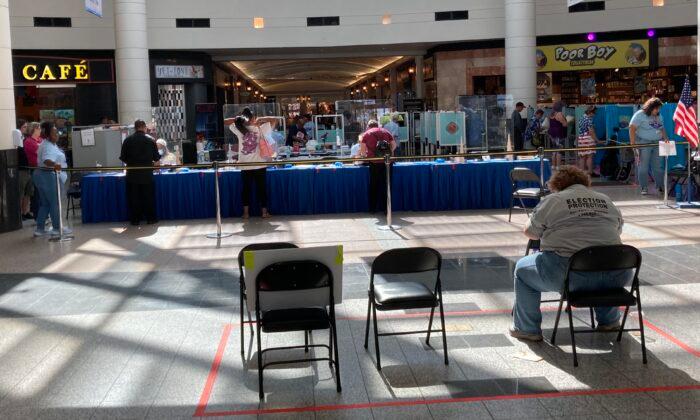
Nevada Ballot Measures Could Tweak Turnouts, Outcomes in Tight ‘Battleground’ Elections
Voters will see a Las Vegas-style buffet of proposals designed to draw to the polls Democrats, Republicans, and the state’s largest bloc—the nonaffiliated.
Editors' Picks
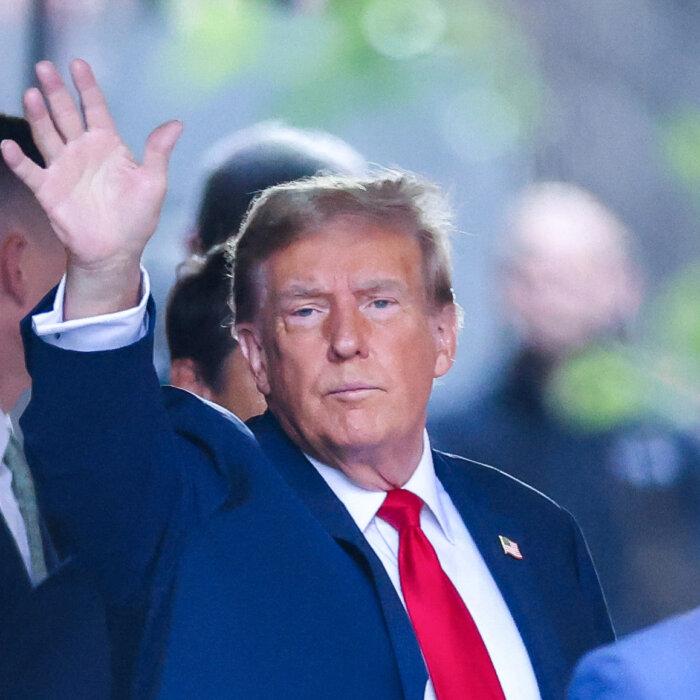
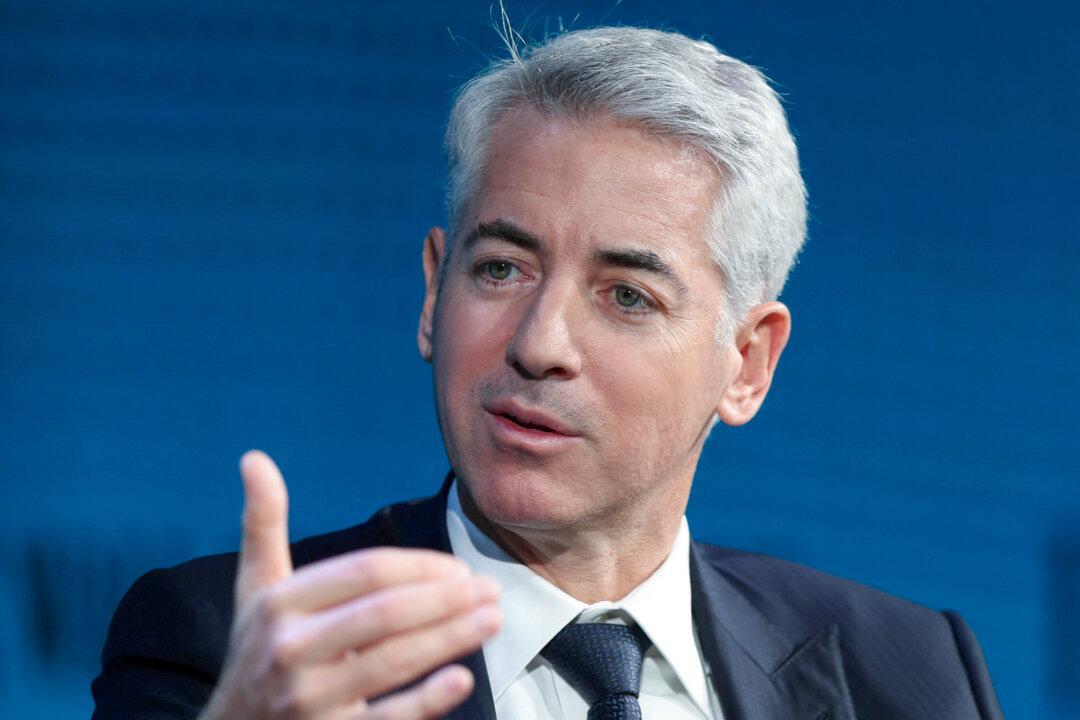
Outspoken Billionaire Says He’s Considering Voting for Trump
Bill Ackman wrote he is considering the move after voting for Joe Biden in 2020.
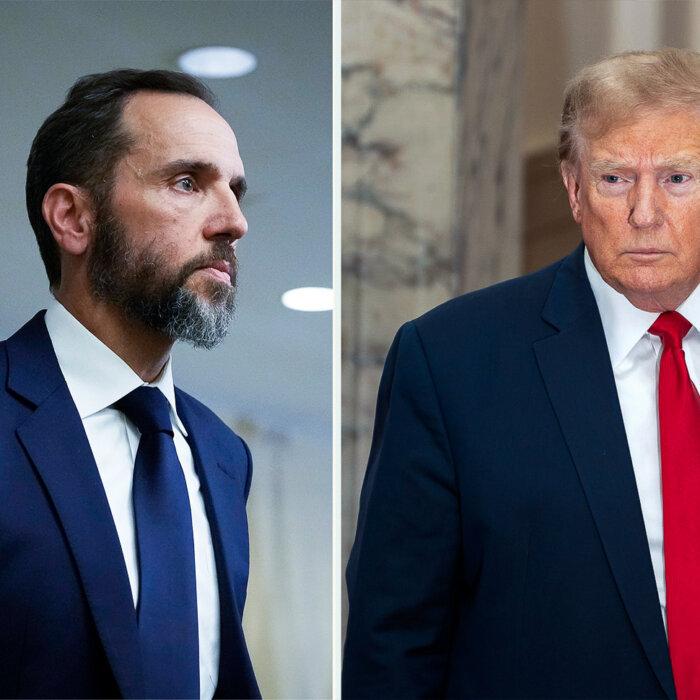
Key Takeaways From Trump’s Supreme Court Immunity Appeal
A Trump attorney argued that presidents will be hamstrung in office and open to extortion if they are not guaranteed immunity for official acts.
FCC Reinstates Net Neutrality Rule, Upending Trump-Era Decision
The net neutrality rules were first implemented by the FCC under Obama, but the commission reversed course during President Donald Trump’s administration


Indo-Pacific Spending Bill Puts $8 Billion Toward Countering Communist China
‘It’s no secret Communist China is eyeing an invasion of Taiwan, and [Chinese leader] Xi is watching the United States closely,’ said Rep. Bob Latta.



The Art of Tea
Whatever your cup of tea might be, these beautiful works are a feast for the eyes.

Epoch Readers’ Stories
A History Of The American Nation
A patriotic poem by Ted Schneider
Of Cars and Kids
Why should our kids have to settle for a Trabant, or a Pyonghwa, education when they could have a BMW?
A Nation Divided
Poem by an American Patriot
What Is Going on Here?
There are two major things plants need to survive and continue generating our life saving oxygen. The first is CO2, and the second is sunshine.
Inspired Stories
Empower the World with Your Story: Share Love, Inspiration, and Hope with Millions


Special Coverage
Special Coverage






































Epoch Health



Certain Teas May Inactivate COVID-19 Virus, Lab Study Finds
But experts caution against overstating potential real-world benefits.
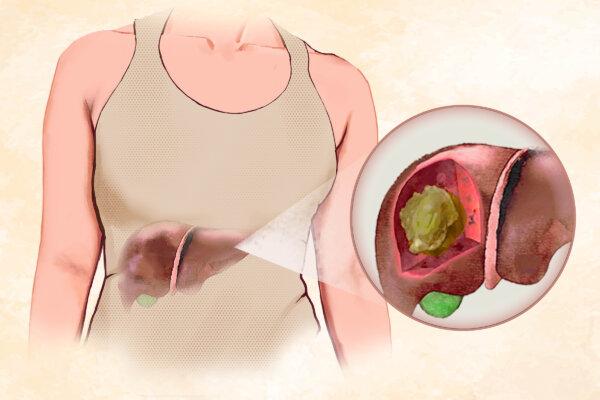


Certain Teas May Inactivate COVID-19 Virus, Lab Study Finds
But experts caution against overstating potential real-world benefits.
Bright






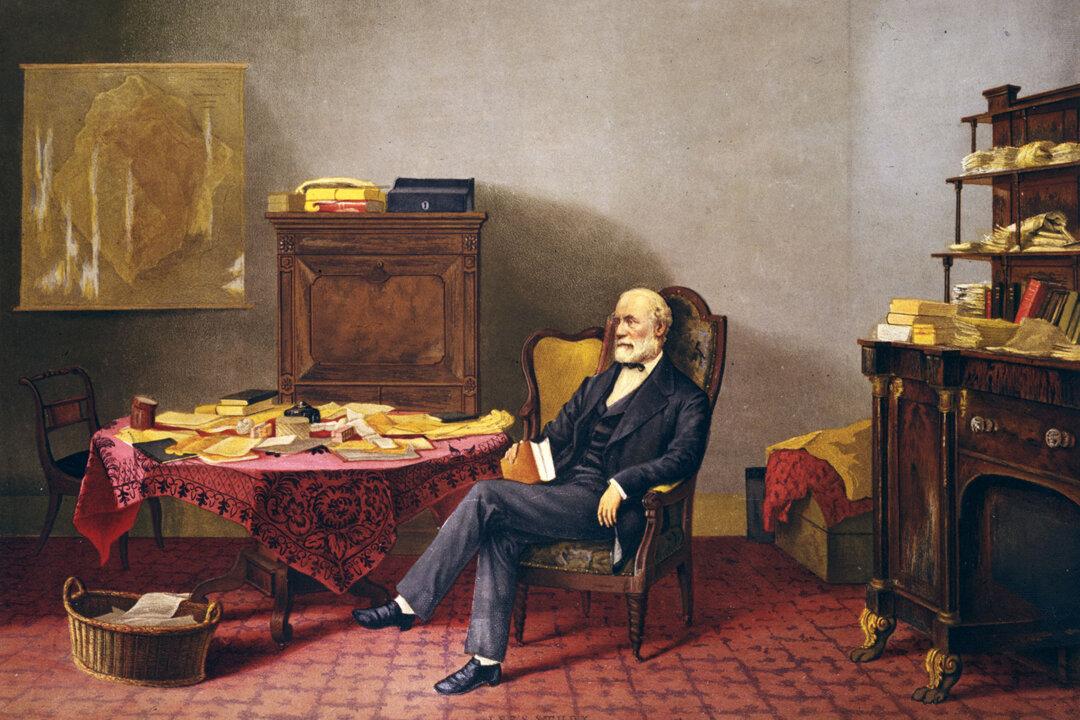
The Two Reputations of Robert E. Lee
While those in the past saw Lee’s stellar qualities, today, some cannot see that he was a man defined, like all of us, by his time.

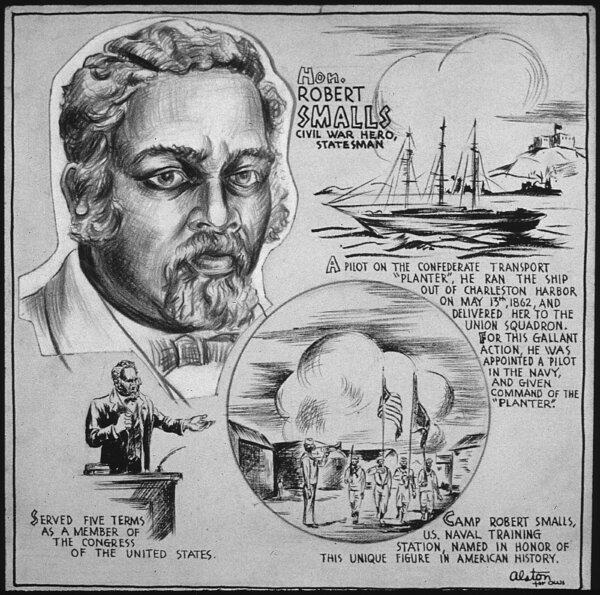
Robert Smalls: Navy Captain and Reconstruction-Era Politician
This former slave would not let anything stop him on the road to freedom.




























Michigan Lawmakers Try to Put Brakes on Mackinac Island’s E-bike Riders
Mackinac Island doesn’t have cars but the speed of e-bikes are becoming a problem.

Taking the Kids: To the Smithsonian Museums
The Smithsonian Institution is the world’s largest museum, education and research complex.

Airbnb Rentals Could Be Harder to Come by in Hawaii. Here’s Why and When That Might Happen
New bills will give counties the power to limit short-term rentals amidst housing shortages.

Michigan Lawmakers Try to Put Brakes on Mackinac Island’s E-bike Riders
Mackinac Island doesn’t have cars but the speed of e-bikes are becoming a problem.