The Iran-aligned Houthi terrorist group in Yemen said on Monday that it is declaring a maritime embargo on Saudi Arabia in response to an attack targeting the airport in the country’s capital of Sanaa.
In a statement released through the Yemen state-run SABA news agency, the Houthi armed forces wing said that it would impose the embargo, “effective immediately,” against Saudi Arabia.
The statement did not provide details on exactly what a maritime embargo would entail.
“We affirm the right of our great people to respond to the blockade with a blockade, and to respond to all escalation with all escalation, thus solidifying this equation,” the Houthis said.
They warned that “any foolish act committed by the reckless Saudi enemy through all escalation will be met with a comprehensive and decisive escalation.”
The remarks come after a fiery exchange between the Houthis and the Saudi-led coalition in Yemen last week, during which Sanaa International Airport and Abha Airport in Saudi Arabia were struck, threatening a truce that has been in place since 2022.
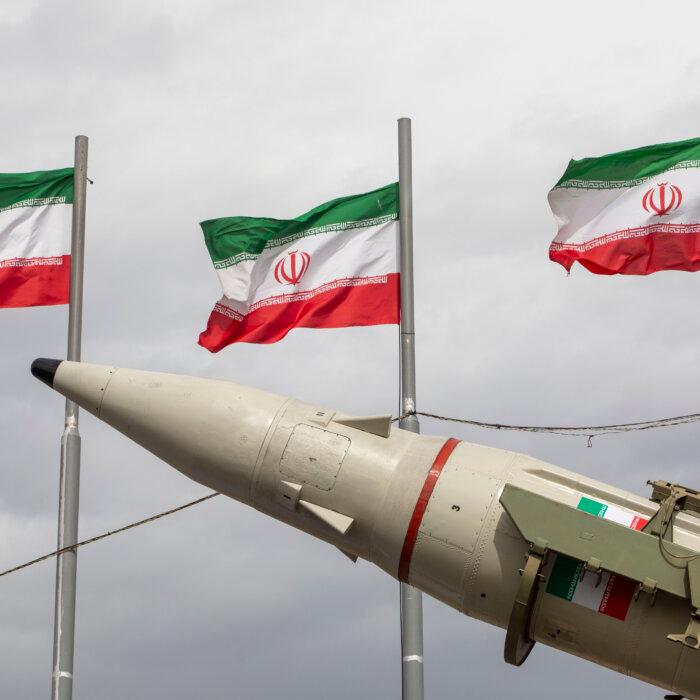
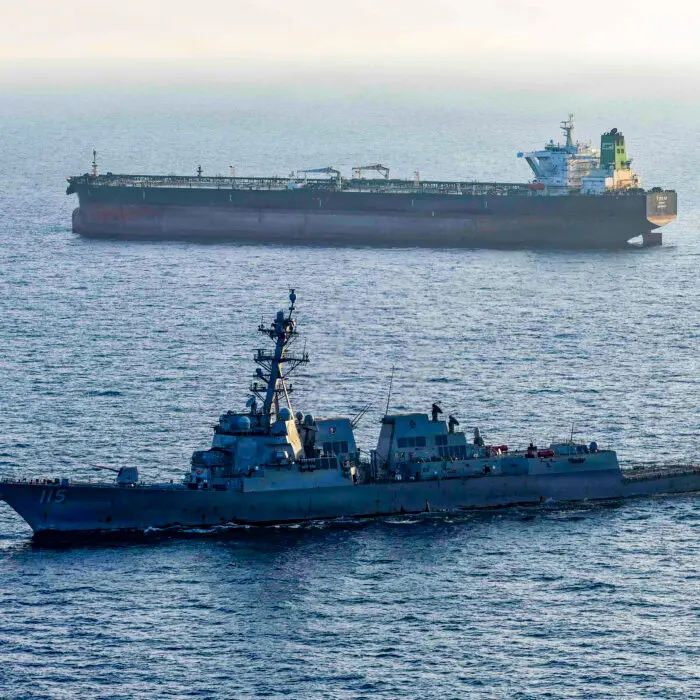
The threat by the Houthis comes after the terrorist group targeted ships for months over the Israel–Hamas war in the Gaza Strip, which saw more than 100 vessels attacked.
The group primarily threatens ships in the Bab el-Mandeb Strait, a maritime chokepoint that connects the Red Sea to the Gulf of Aden in the Indian Ocean.
Other countries located near the strait are Djibouti, which has a U.S. military base, and Eritrea. Somalia is located to the south of the strait.
In response, the United States and the UK launched airstrikes in 2024 and 2025 against Houthi targets in Yemen.
U.S. President Donald Trump said he would initiate a ceasefire with the Houthis, brokered by Oman, while meeting with Canadian Prime Minister Mark Carney in May 2025.
The U.S. military on Monday identified two soldiers killed in Jordan on Friday while defending against Iranian ballistic missile and drone attacks as Pvt. Isabella Gonzales, 19, of Carrollton, Texas; and 1st Lt. Tyler James Feehan, 25, of Ewa Beach, Hawaii.
Since the war began in February, 17 U.S. service members have been killed in the conflict.
Earlier on Monday, the U.S. military confirmed it launched its ninth night of airstrikes on Iran after announcing the death of another American service member, killed in Iraq during the “controlled detonation” of a downed Iranian drone.
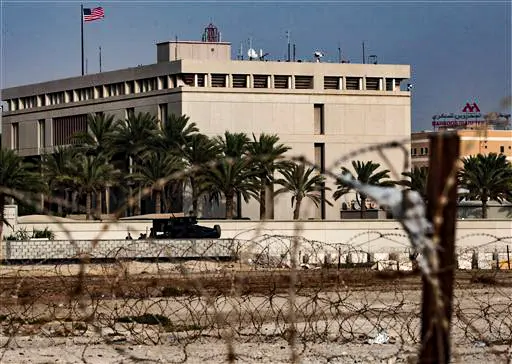
Iran retaliated by attacking Bahrain and Kuwait.
The renewed exchanges of fire, now in their second week, have seen the United States target Iranian bridges, electrical facilities, and a city believed to host its underground missile bases, as the conflict has appeared to escalate.
The new strikes came after Iran attacked ships trying to transit through the Strait of Hormuz earlier this month, effectively ending a several-week-long peace deal that was initiated under a memorandum of understanding signed by the two nations.
Since the conflict resumed, both oil and gasoline prices have risen, reversing a downward trend that began after a ceasefire agreement in April.
The average price for regular gas rose roughly 1 cent on Monday to $4 on average, according to data from the American Automobile Association.