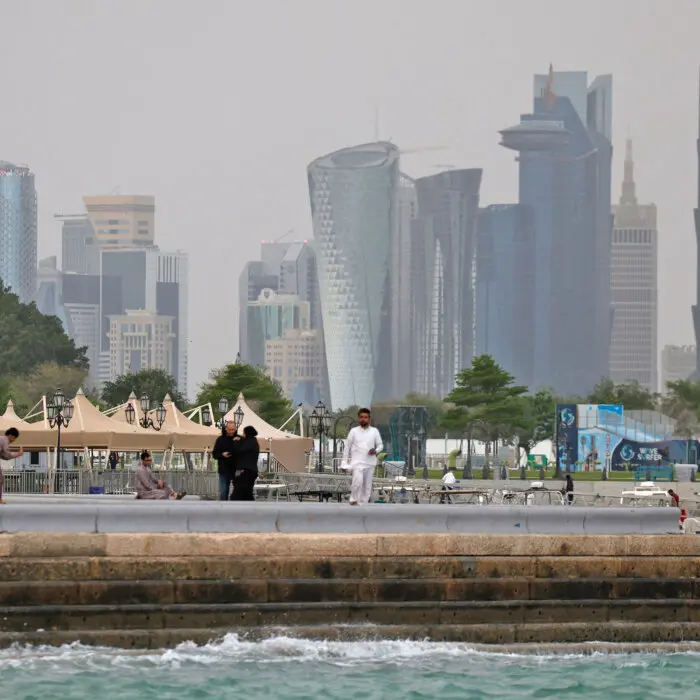
U.S. envoy Steve Witkoff and President Donald Trump’s son-in-law Jared Kushner arrived in Doha on June 30 for talks with Qatari mediators on the U.S.–Iran peace process, though there are no plans yet for a direct high-level meeting between American and Iranian officials.
Qatari Ministry of Foreign Affairs spokesperson Majed Al Ansari said Doha continues to facilitate contacts between Washington and Tehran and is coordinating with neighboring Oman on maritime security in the Strait of Hormuz, where recent military clashes threatened a fragile U.S.–Iran memorandum of understanding.
The clarification follows conflicting statements from Washington and Tehran over whether direct talks would take place after Trump said Iran had requested a meeting, while Iranian officials insisted no bilateral negotiations had been scheduled.
White House press secretary Karoline Leavitt said on June 29 that Kushner and Witkoff would lead the American team in the Doha talks.
“Iran has requested a meeting this week, so special envoy Witkoff and Jared Kushner will be flying to Doha for high-level meetings this week as we continue to discuss the memorandum of understanding. On the sidelines of those high-level talks will be the technical talks,” Leavitt said on June 29 on Fox News’s “Fox & Friends.”
Leavitt’s remarks followed Trump’s post on Truth Social earlier on June 29, in which he said that Tehran had requested a meeting following several days of military exchanges between the two countries over shipping in the Strait of Hormuz.
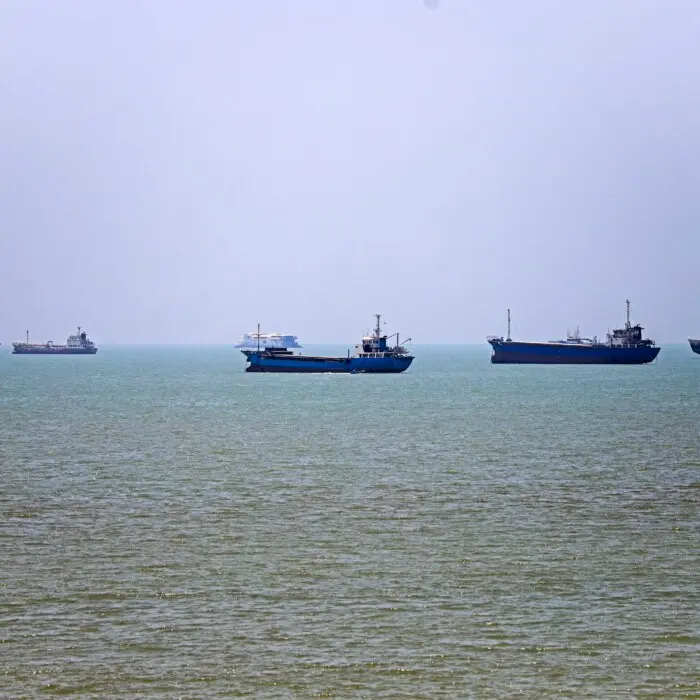
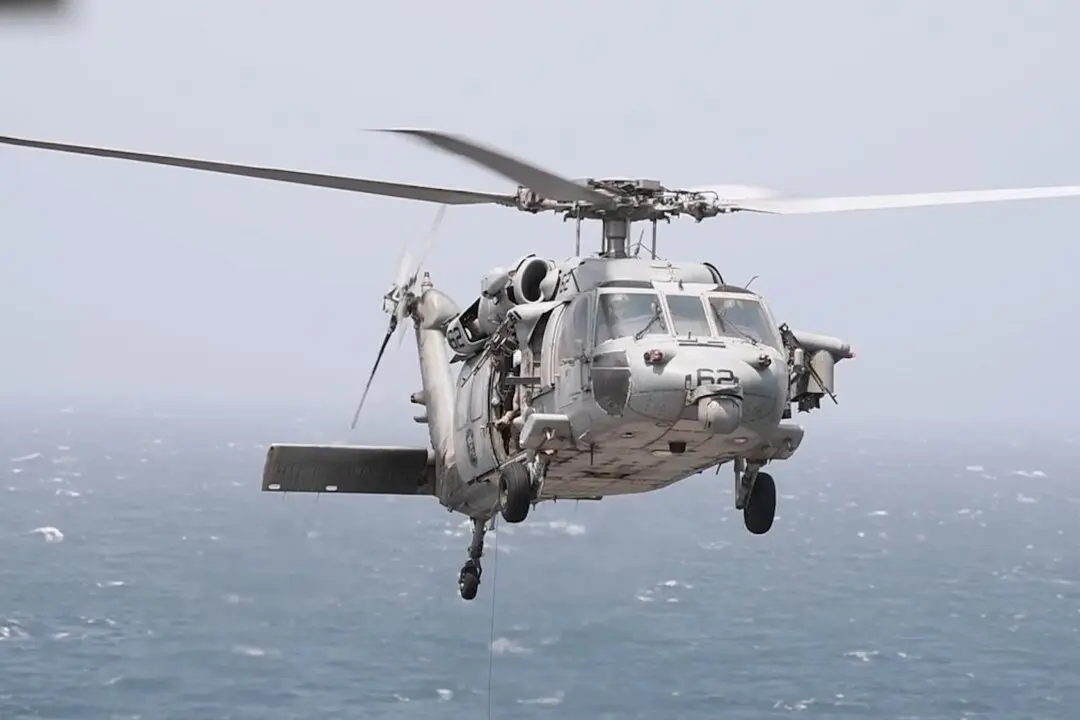
Iran was accused of attacking commercial vessels in the strategic waterway, and the U.S. military responded by striking Iranian military infrastructure near the strait.
But Iranian officials publicly rejected the notion that any bilateral meetings had been scheduled.
Speaking to reporters in Tehran on June 29, Iranian Ministry of Foreign Affairs spokesman Esmaeil Baghaei said an Iranian technical delegation would travel to Doha this week to follow up on implementation of the June 17 memorandum of understanding, particularly provisions governing the release of Iranian assets frozen abroad. However, he insisted the visit was unrelated to any American delegation.
“We will not have any negotiation meetings at any level with the American side in the coming days,” Baghaei said.
“Any travel by U.S. representatives to Qatar is unrelated to the visit by the Iranian delegation, which is taking place to follow up on implementation of the memorandum of understanding.”
Iranian Deputy Foreign Minister Kazem Gharibabadi likewise sought to dampen expectations, saying reports that technical working groups established under the agreement were due to meet this week were incorrect. Consultations were continuing through mediator countries, he said, but formal technical negotiations would begin only after conditions set out in the agreement had been met.
Weekend Fighting Casts Shadow
The June 17 memorandum of understanding established a 60-day framework for implementing reciprocal commitments, extending a ceasefire, restoring commercial shipping through the Strait of Hormuz, discussing Iran’s nuclear program, and negotiating a permanent settlement.
The agreement followed months of fighting after U.S. and Israeli strikes against Iran on Feb. 28. Maritime traffic through the Strait of Hormuz—which normally carries roughly one-fifth of globally traded oil—nearly ground to a halt during the conflict, sending crude prices above $100 per barrel and raising fears of prolonged disruption to global energy supplies.
The latest crisis erupted over the weekend after Washington accused Iran of attacking commercial vessels transiting the strait with missiles and drones. The United States responded by striking Iranian military infrastructure near Hormuz, and Iran retaliated with missile and drone attacks against U.S. military facilities in Kuwait and Bahrain before both sides indicated they would suspend further military action.
Speaking to reporters in the Oval Office, Trump acknowledged uncertainty surrounding the Doha meeting.
“The meeting in Doha is going to be perhaps important, perhaps not,” he said. “We’re going to find out.”
He said that the United States was “winning militarily” and that, as part of any negotiated settlement, Iran would have to agree never to develop a nuclear weapon.
Implementation Disputes Persist
Despite the diplomatic outreach, each side has accused the other of failing to fulfill obligations under the memorandum.
Leavitt said the United States believed it was complying with the agreement while warning that any further attacks on shipping would trigger another military response.
“As far as we’re concerned, we’re holding up our end of the ceasefire,” she said. “Violence will be met with violence.”
“The president obviously wants to see the peace process play out,” Leavitt said. “The Iranians would be best to sign a good deal with the United States of America because the president has proven he’s unafraid to use the might of our military.”
Baghaei said Iran’s priority was ensuring implementation of the memorandum rather than moving prematurely toward negotiations on a permanent agreement.
He said Washington had already issued the required authorizations under Article 10 of the memorandum governing Iranian oil sales and that implementation was being monitored.
He said that Article 11, covering the release of Iran’s frozen assets, was also moving forward and that the Iranian delegation traveling to Doha this week would focus on those issues.
Baghaei said that negotiations on a final agreement have not yet begun, citing as a condition the need for the United States to implement articles related to halting the Israel–Hezbollah armed conflict in Lebanon and releasing Iran’s frozen assets, among others.