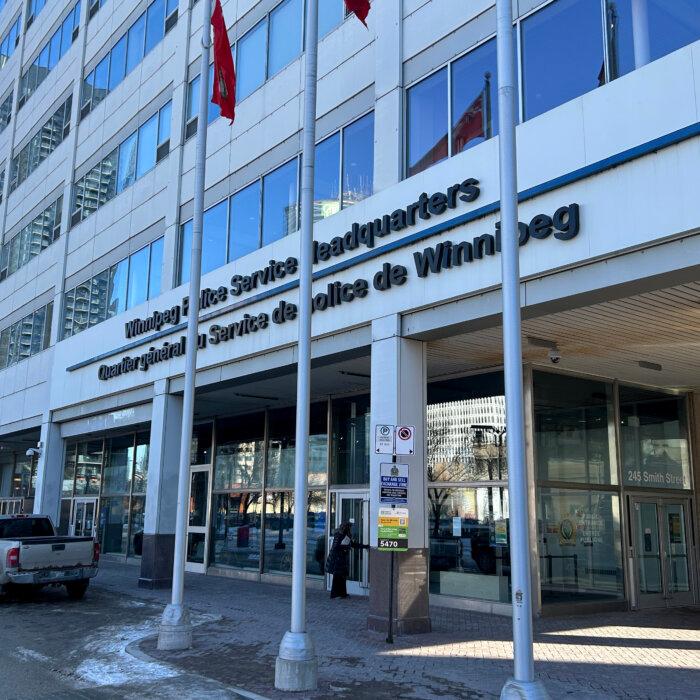
Winnipeg police have launched a 10-day enforcement initiative targeting open drug use, saying it is intended to deter public drug use, disrupt drug trafficking, and connect people struggling with addiction to support services.
Chief Gene Bowers said the move is aimed at addressing open drug use “where it creates harm,” and that addicts would be connected with health services, outreach teams, and community partners. Police were not criminalizing addiction, he said.
“I’ve heard from transit riders, parents, business owners, people who work in the downtown, and people who simply want to use public spaces safely,” he said.
“People should not have to breathe in toxic drug smoke when they’re waiting for a bus. Parents should not have to worry about needles in the park. Business owners should not have to deal with open drug use at their front doorstep.”
The situation was more dangerous and visible than Winnipeg had ever seen before, but the city was also doing more to tackle the issue than it had ever done before, he said.
Citing examples, Gillingham said the city funds 24/7 safe spaces, mobile outreach, and a building for the Street Links initiative.
“But while we push for those supports, the city also has a responsibility to protect public spaces today,” he said. “This is not a choice between compassion and public safety. We need both and we can do both.”
Supt. Brian Miln said the police had already made 24 arrests in connection with the initiative.
“To be clear, 22 of those arrests are not related to drugs per se. What they are related to is people that are breaching court-ordered conditions, and/or they had outstanding warrants of arrest,” he said.
Police also laid one charge for drug trafficking and one for drug possession, he said, adding that the drug possession charge was made due to the quantity of drugs encountered by officers, as well as outstanding warrants the suspect had.
Asked by a reporter why police had not taken action on the issue sooner, Miln said officers had previously taken an “informal” approach, asking individuals to put drugs away and take them elsewhere, when they encountered open drug use.
“But it certainly wasn’t taking the necessary steps and it wasn’t sending the message that we needed to send, and that we have since corrected and are sending.”
Bowers added: “We didn’t have a lot of the mechanisms in the background that we needed, such as the hospital. There’s some processes there that have been developed with these types of drug events.”
Roughly 12 to 15 officers would be allocated to the initiative in the coming 10 days, Miln said.
Bowers said he had talked with homicide investigators about applying manslaughter charges in cases where overdose-related deaths occur.
“Everybody in this community, including myself, have loved ones, have family, that have died of overdoses,” he said.