While levels of wildfire preparation vary across Canada, Canadians living in the West are more likely to prepare for the risk of wildfire season than those in the rest of the country, a new survey indicates.
Across the country, around four in 10 Canadians said they took some action, but responses varied among the provinces.
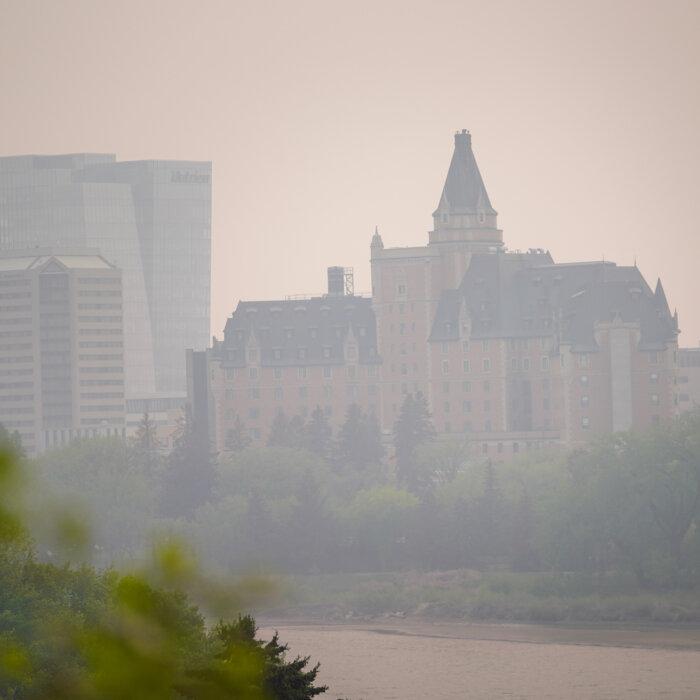
Canadians living in B.C., where wildfires are expected each year, were the most likely to have taken action, the survey found. Around seven in 10 Canadians in the province said they had taken action, including 36.2 percent who said they addressed wildfire hazards on their property, such as by cleaning up shrubs, trees, and dead material.
Additionally, 35.1 percent said they changed their travel plans due to wildfire smoke and air quality advisories, while 31.8 percent purchased air purifiers to address wildfire smoke in their homes, 22.5 percent said they packed an evacuation bag, 7.3 percent said they kept their kids home from school due to wildfire smoke, and 6.7 percent purchased additional home insurance.
In the prairie provinces, more than half of Canadians said they took action, with 25.7 percent reporting that they cleaned up wildfire hazards on their properties, 33.1 percent changed their travel plans, 20.9 percent bought air purifiers, 8.9 percent packed an evacuation bag, 11.6 percent kept their kids home from school, and 3 percent purchased additional home insurance.
Canadians living in the Atlantic provinces reported responses that measured around the average for the country, with approximately four in 10 reporting they took action. Meanwhile, those in Ontario were less likely to have taken action, as just less than three in 10 people reported taking steps to prepare for the wildfire season.
Those living in Quebec were the least likely to have taken action, as only about two in 10 people said they took steps to prepare for the wildfire season, the survey found.
Only 6 percent said they addressed wildfire hazards on their property, 7.9 percent changed their travel plans, 5.1 percent purchased air purifiers, 2.6 percent packed an evacuation bag, and 1.1 percent kept their children at home.
Across the country, hardly any surveyed Canadians reported moving locations as a response to wildfires, including only 2 percent in B.C., 1 percent in the prairies, 1.3 percent in Ontario, 0.8 percent in Quebec, and none in the Atlantic provinces.
Wildfire preparation responses were slightly more common among women than men, with 38.8 percent of women and 36.3 percent of men taking action, the survey found.
Meanwhile, preparation for wildfire season was most common among younger Canadians compared to those who are older, as 41.7 percent of those aged 18 to 34; 37 percent of those aged 35 to 54; and 35.7 percent of those aged 55 and older reported taking action.
‘Worst Wildfire Season’
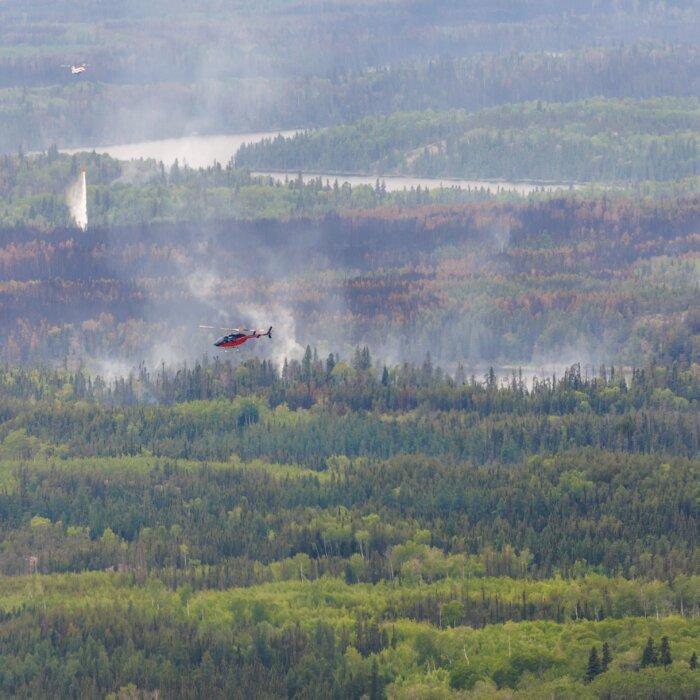
The worst wildfire season on record in Canada was in 2023, according to Natural Resources Canada. More than 6,500 wildfires burned 18.4 million hectares, which surpassed the 10-year average of 2.5 million hectares by more than seven times.There have been 3,183 wildfires this year to date, which has burned 5.4 million hectares of land.