A devastating wildfire in southern Spain has claimed the lives of at least 12 people, while 23 others remain missing, according to officials on July 10.
Firefighters continue working to contain what has become one of the deadliest wildfires in the country’s history.
Authorities said one of the victims was Spanish, while the remaining victims are believed to have been foreign nationals.
Emergency officials said that many of those who died ignored instructions to stay where they were and instead attempted to escape by car as the fire spread rapidly through forests surrounding the town of Los Gallardos in Almeria province.
The region is a well-known vacation destination with a large international community, including many residents and visitors from France, the United Kingdom, and Belgium.
Officials reported that four people, believed to be British because their vehicle had a right-hand steering wheel, died inside their car.

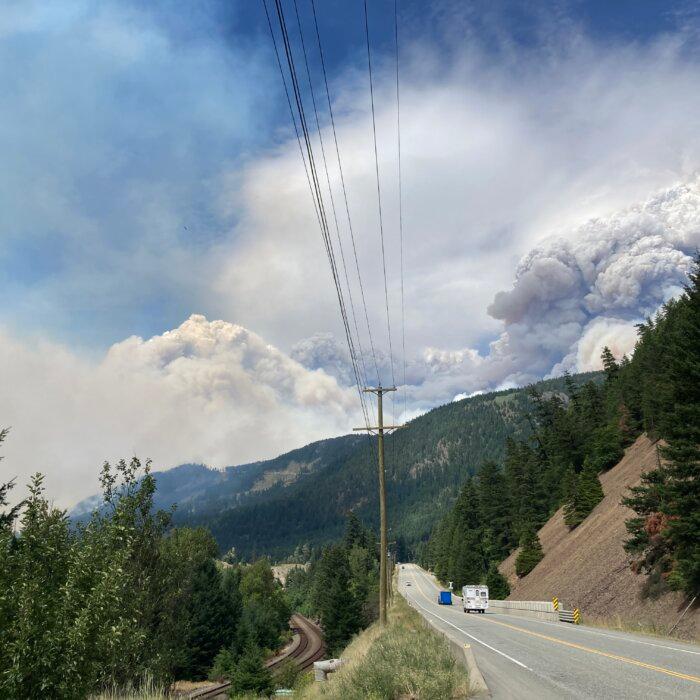
Another seven victims were discovered after leaving their vehicles and attempting to flee on foot along a route that was not included in the official evacuation plan.
Antonio Sanz, Andalusia’s emergency chief, described the tragedy as devastating, saying that early evidence suggests most, if not all, of those who died were foreign nationals.
The president of Andalusia, Juan Manuel Moreno, said 23 people were still unaccounted for, including several hikers.
Rescue teams found walking sticks in the affected area, leading authorities to believe some of the missing may have been trapped in the forest without a safe way to escape.
“I think they’ve been caught off-guard in the woods. When there’s a sudden fire ... you don’t know how to get out,” Moreno said.
The disaster has drawn comparisons to Portugal’s deadly 2017 wildfire, during which more than 60 people lost their lives, many while trying to flee in their vehicles.
Spain has experienced several intense heatwaves this summer, leaving vegetation extremely dry and creating ideal conditions for fast-moving wildfires.
By this point in the year, approximately 140,850 acres have burnt across the country—around half the average annual total over the past 20 years and roughly 40 percent of all wildfire damage recorded in the European Union.
Forest firefighter Roman Garcia noted that wildfires of this scale usually occur later in the summer. Still, rising temperatures are causing vegetation to dry out much earlier than in previous years.
In August 2025, Spain endured its worst wildfire season in three decades, with more than 815,000 acres destroyed.
Following that disaster, Prime Minister Pedro Sanchez admitted that wildfire prevention and forest management efforts had not been sufficient and promised stronger measures to reduce the risk of future catastrophes.
After the latest tragedy, Sanchez expressed his condolences to the victims’ families, saying he felt deep sorrow over the loss of life.
Meanwhile, authorities continue efforts to identify those who died and locate the missing.
Family members from different countries have turned to social media and local community forums to find information.
One woman reported that her daughter, who had been driving a red Ford Fiesta with her dog, had disappeared.
Another person from the United States said her brother was among a group of 10 people who tried to escape through a nearby valley.
Local officials believe the fire may have started after a power cable fell onto dry vegetation.
However, electricity company Endesa disputed that theory, stating that inspections showed the cable was not carrying power at the time.
According to Antas Mayor Pedro Ridao, strong afternoon winds rapidly intensified the blaze, allowing it to spread quickly through rural properties, vacation homes, and vehicles.
The current death toll has already exceeded that of Spain’s 2005 Guadalajara wildfire, in which 11 firefighters were killed after a blaze ignited by a barbecue.