Six lawmakers, representing all major parties in the House of Commons, have resigned or are expected to do so shortly, with one taking an ambassadorship appointment and others vying in provincial races.
While six seats would be enough to change the majority status of the Liberals, such a shift is unlikely after the yet-to-be announced byelections.
Some also won’t be replaced soon because they are currently sitting as Independents or have only expressed an intention to quit without actually doing so.
In total, three Liberal MPs are expected to not return to the Commons, as well as one New Democrat, one Bloc Québécois, and one Conservative.
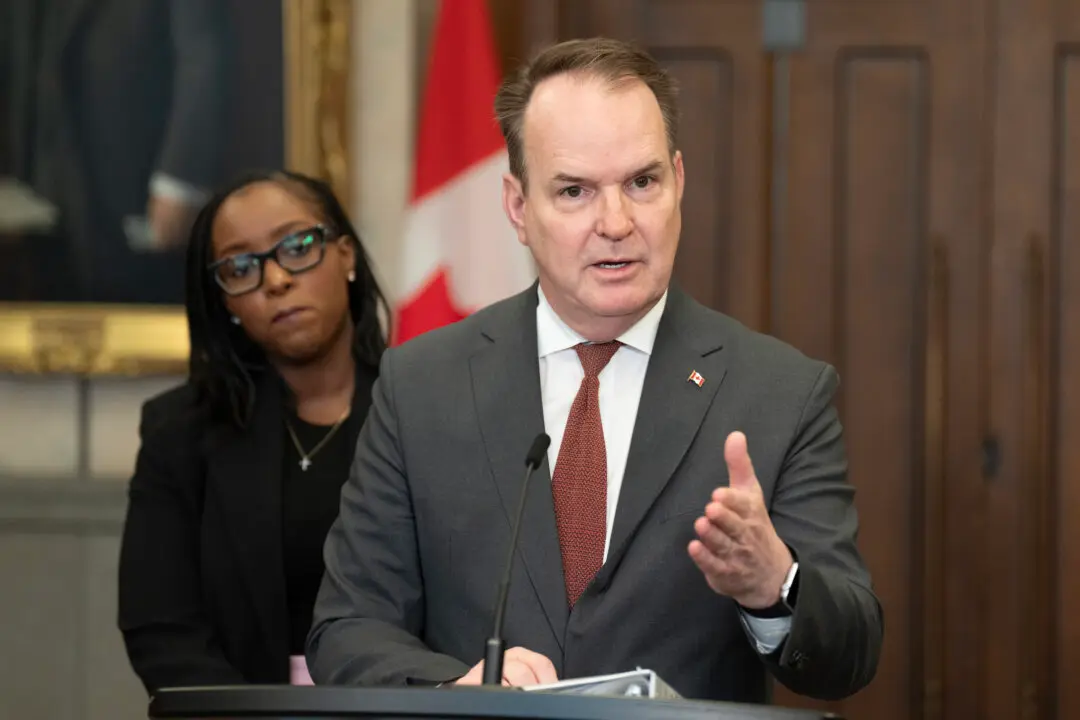
Among the Liberals, only Jonathan Wilkinson has officially resigned his seat. His last day representing the B.C. riding of North Vancouver-Capilano was June 19. The House rose for the summer on June 18.
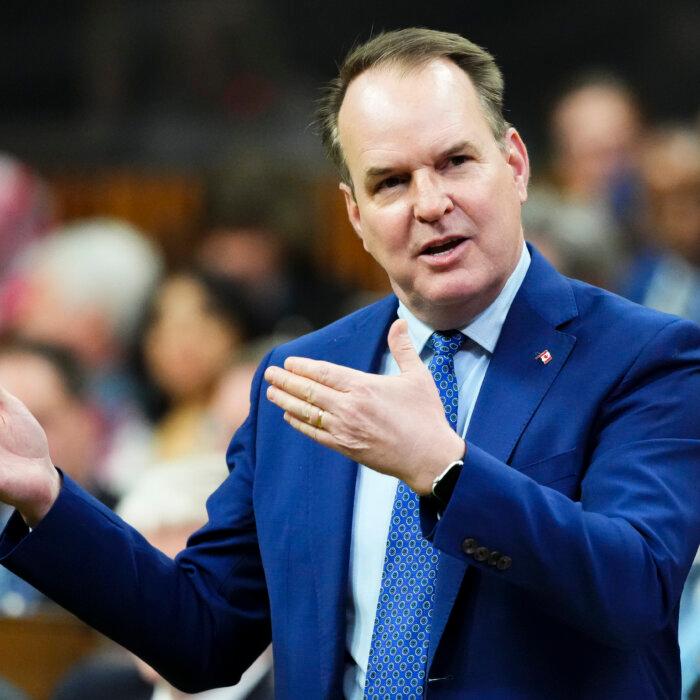
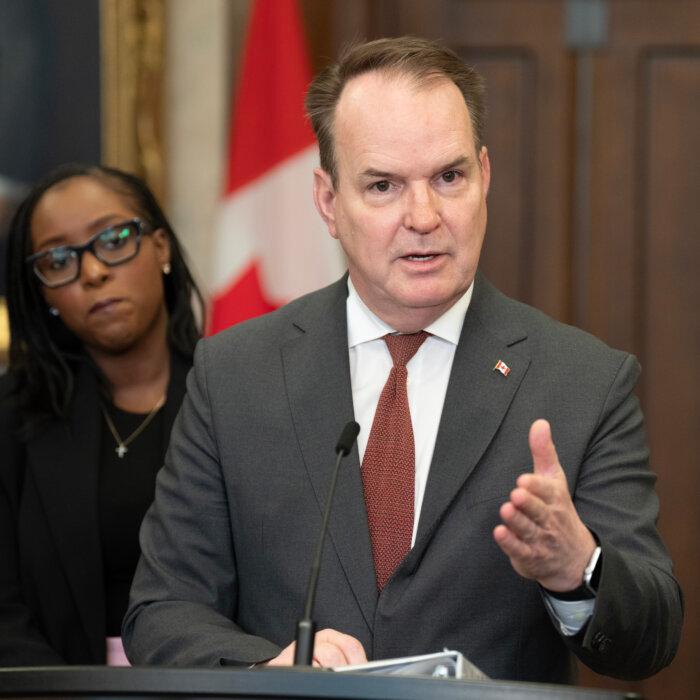
Wilkinson held three ministerial portfolios under the Trudeau government. He was not included in Carney’s second cabinet, formed after the April 2025 election.
Two other Liberal MPs who served in Trudeau cabinets are expected to resign in the coming weeks.
Toronto MP Nathaniel Erskine-Smith is also expected to leave federal politics after his loss in an Ontario Liberal provincial nomination race. He informed supporters by email that he intends to resign his House of Commons seat but has not yet announced when he will step down.
Erskine-Smith briefly served as housing minister in the last Trudeau cabinet appointed in late 2024, and in the first Carney cabinet of March 2025. He was relieved of ministerial duties when Carney made his first cabinet shuffle after winning the April 2025 election.
Other Parties
Outside the government caucus, Tory MP Cathay Wagantall said she will resign her seat in late August. Wagantall made her departure speech in the Commons on June 17, in which she threw her support behind Tory Leader Pierre Poilievre.Wagantall, who has represented the Saskatchewan riding of Yorkton-Melville since 2015, recounted in her speech her ordeals during the COVID-19 era. She was not allowed on Parliament Hill due to the vaccine mandate and her refusal to disclose her vaccination status.
In June 2022, Wagantall attempted to enter the parliamentary precinct despite the policy and was escorted out by the Sergeant-at-Arms. The House of Commons ended its vaccination requirement weeks later.
Meanwhile, with the Quebec election looming, two MPs have decided to make the jump to provincial politics and sat as Independents in the last weeks of the parliamentary sitting.
Former NDP MP Alexandre Boulerice is also running in the Quebec election but he has not resigned his seat. He has been sitting as an Independent since April 27.
Boulerice is running for Québec solidaire, a party that, contrary to the NDP, advocates for Quebec’s independence. Like the federal NDP, Québec solidaire is the most left-wing option among the major parties in their respective jurisdictions.
Québec solidaire made an exception to its party rules to allow Boulerice to run in the Gouin riding, as the party had established that only women or non-binary individuals are allowed to run in ridings already held by the party.
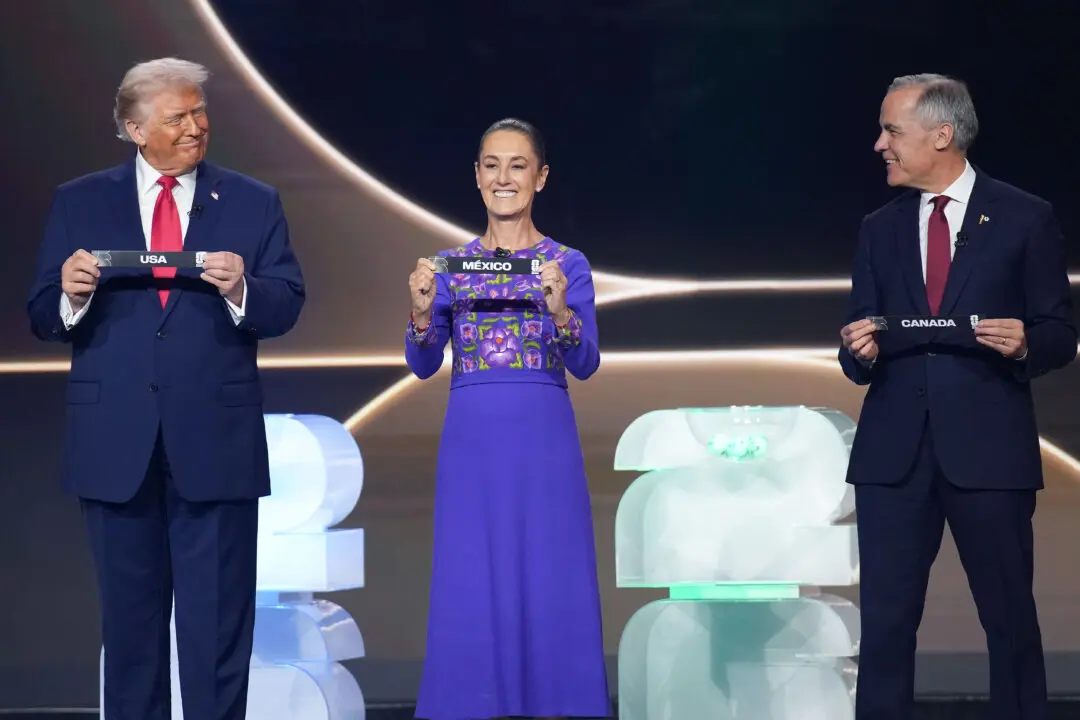
Prime Minister Mark Carney said on June 25 he has not decided when to call the byelections to replace the departing MPs. He said they would likely not be held on the same date and noted the impact of the Quebec election on the process.
Byelections must be called within 180 days after the Speaker of the House of Commons informs the chief electoral officer of a vacancy.
Liberals won three byelections on April 13, two of which were held in Freeland and Blair’s former ridings. The wins and the floor-crossing of opposition MPs provided the Liberals a majority government.
Upcoming byelections are unlikely to change the Liberals’ status, who maintain a solid lead in polls.