The due date for Canadians to complete the 2026 Canadian census has arrived, and while Statistics Canada says it’s mandatory to fill it out, some Canadians have raised concerns about privacy.
StatCan has asked Canadians to fill out the census form by May 12, but the agency says that is a “reference date” instead of a hard deadline. Those who fail to complete the survey, however, may be penalized.
25 Percent Long Forms
About 75 percent of Canadian households received the short-form questionnaire, which collects basic demographic information, including gender, sex at birth, marital status, and languages spoken.The remaining 25 percent of households, selected randomly, received a long-form questionnaire, which collects the same demographic information as well as information about the social and economic situations of people in Canada and their access to housing.

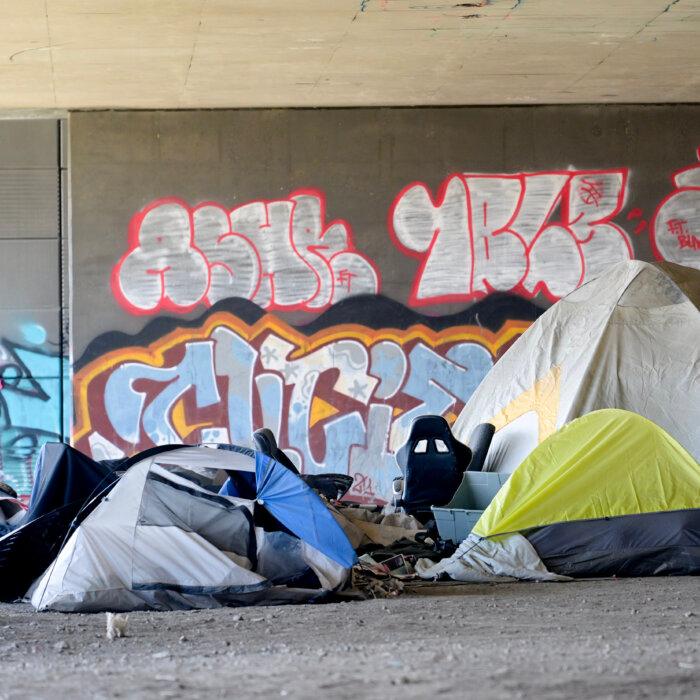
It also asks whether individuals have Canadian military experience, what time they leave home for work, how long their commute takes, how many rooms are in their home, and whether they have experienced homelessness over the past 12 months.
“Census data are vital to your community for planning schools, daycare, housing, hospitals, emergency services, roads, public transportation, employment skills training and more,” StatCan says.
For example, StatCan says the data it collects on sexual orientation is used to “support programs that provide equal opportunity for everyone to share in the social, cultural, and economic life of Canada,” as well as to “support legislation.”
The questions on homelessness are used by organizations and governments to “support communities in addressing homelessness,” the agency says.
Governments use the question about Canadian military experience to develop programs and services to meet the needs of veterans, while questions on housing are used to “assess levels of crowding within dwellings and housing affordability,” and to develop “neighbourhood improvement programs,” the agency says.
What If You Don’t Complete the Census?
StatCan says it is mandatory to complete the census, but it would be at least a couple of months before someone who did not fill it out would face consequences.The agency will send out reminder letters in the next few days to households who haven’t completed their questionnaire, a spokesperson for StatCan told The Epoch Times. In late May, StatCan will begin to follow up by telephone or in-person visits to ensure the census is completed.
Households who do not respond to follow-up communications will receive a final reminder letter in mid-July informing them of their legal obligation to complete the census questionnaire and the possible consequences of failing to do so, the spokesperson said.
StatCan says that although it makes repeated efforts to have people fill out the census, a small number “refuse to comply” during each census cycle. The agency can refer those people to the Public Prosecution Service of Canada to initiate a summary conviction proceeding.
The agency referred 43 cases for such action after the 2021 census, and 47 such cases after the 2016 census.
Privacy Concerns, Protest
Some Canadians have raised concerns about the government’s ability to safeguard personal information and prevent misuse of the data it collects.“All the information we collect though the Census is protected and de-identified, so it can’t be linked back to any individual or household,” the spokesperson said.
Other protesters, though, aren’t expressing privacy concerns—they say they are returning the form to the sender to protest against Carney’s majority government, which was gained without a general election.
“If you want to protest something, go ahead,” Gerretsen said. “When people refuse to fill out the census they’re not sticking it to Ottawa—they’re sticking it to their own community.”