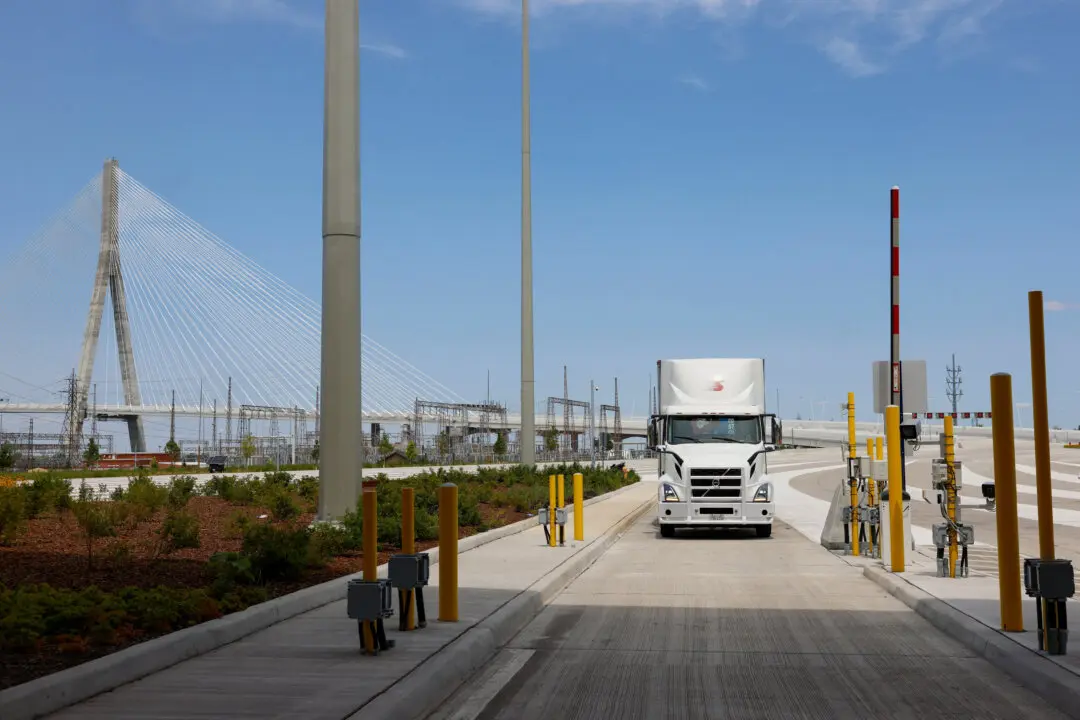
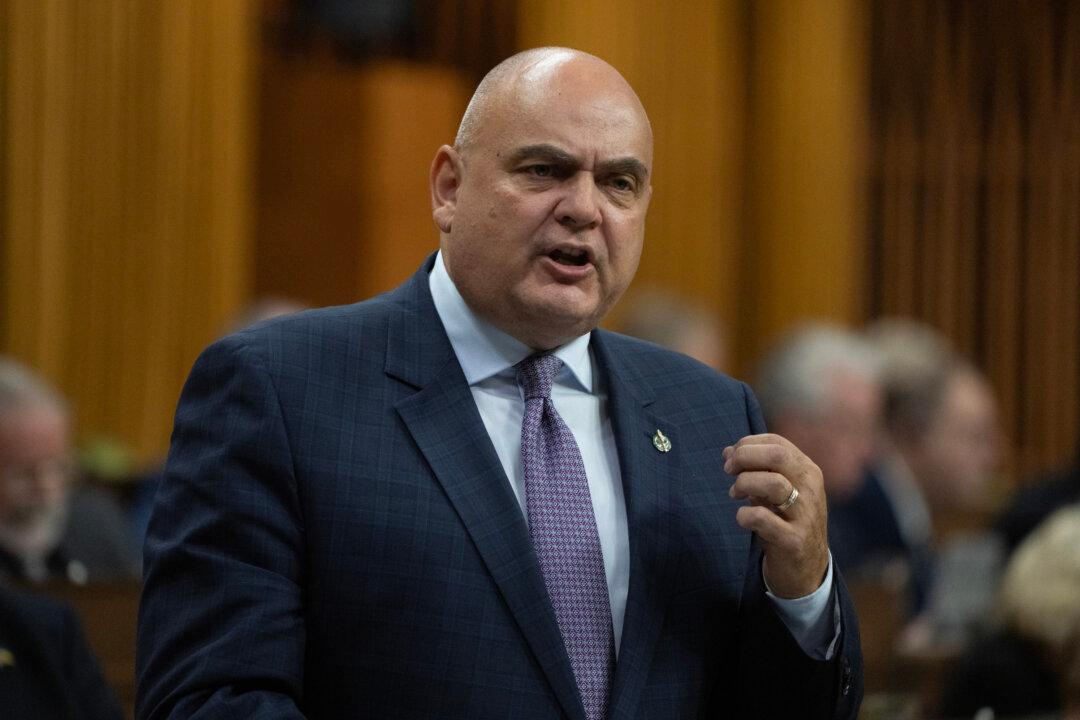
The Liberal government announced a new national automotive strategy on Feb. 5 that abolishes the electric vehicle (EV) mandate and replaces it with new emissions regulations, while providing new incentives for people to buy the vehicles.
Now, the revised aim is to reach an EV adoption rate of 90 percent by 2040, which the government says would be achieved through stricter greenhouse gas emission standards for vehicles sold starting in 2027.
The new policy comes amid declining EV sales in Canada, polls showing low support for the mandate, 25 percent U.S. tariffs on vehicles and parts putting pressure on Canada’s automotive sector, and representatives from Canada’s auto industry and some provinces calling for an end to the previous mandates.
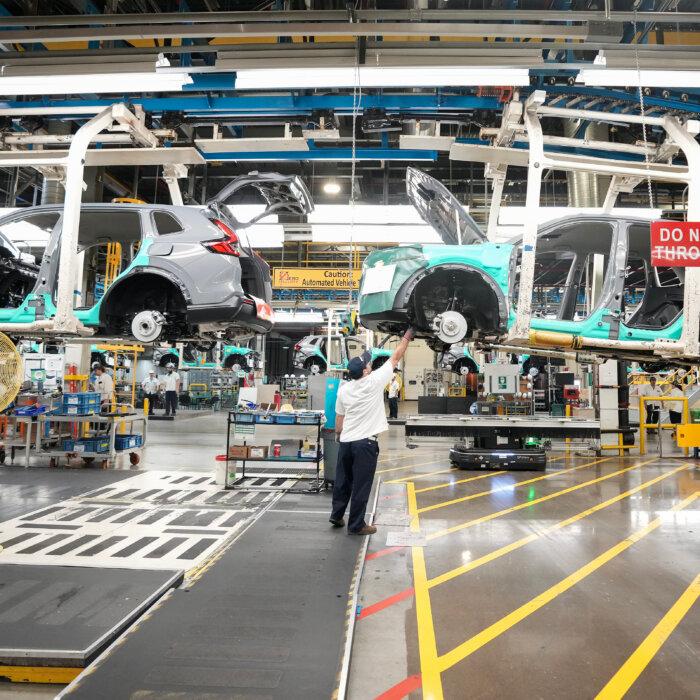
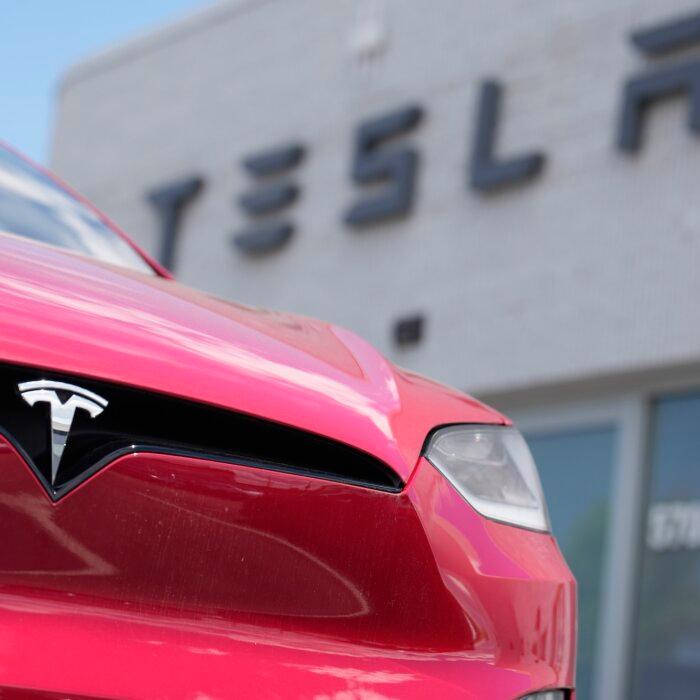
Some are welcoming the end of the sales mandate, saying it will give people more choices when buying vehicles, while others object to the taxpayer-funded incentives and say the new regulations still add burdens.
David Checkel, professor emeritus of mechanical engineering at the University of Alberta, said the new policy announcement will give more choice to consumers when it comes to buying EVs.
“We’ve taken perhaps a more practical step, rather than simply an aspirational virtue-signalling step. ... We’re moving in a direction that gives people more choice and is more likely to provide more electric vehicles,” Checkel told The Epoch Times.
Jerome Gessaroli, finance professor at the British Columbia Institute of Technology, said that the government realized its previous EV strategy was “untenable” and that the new mandates will ease the pressure for both consumers and automakers.
However, he said there are still issues with EV affordability for lower-income Canadians, access to charging stations, and the vehicles’ operation in cold weather. Gessaroli also said the new regulations remain “aggressive” for automakers to comply with.
Dan McTeague, a former Liberal MP and president of Canadians for Affordable Energy, said that the new emissions standards coming into force could mean that, in practice, only EVs would meet the regulations, effectively leaving an EV mandate in place. He also expressed concern about the cost of the new subsidies.
Meanwhile, David Adams, president and CEO of Global Automakers of Canada, said the government’s announcement provides more “clarity” on issues related to EVs. He said the policies should give Canadians more choice and improve affordability and availability of the vehicles, but added that the timing and implementation of the initiatives will be “critical.”
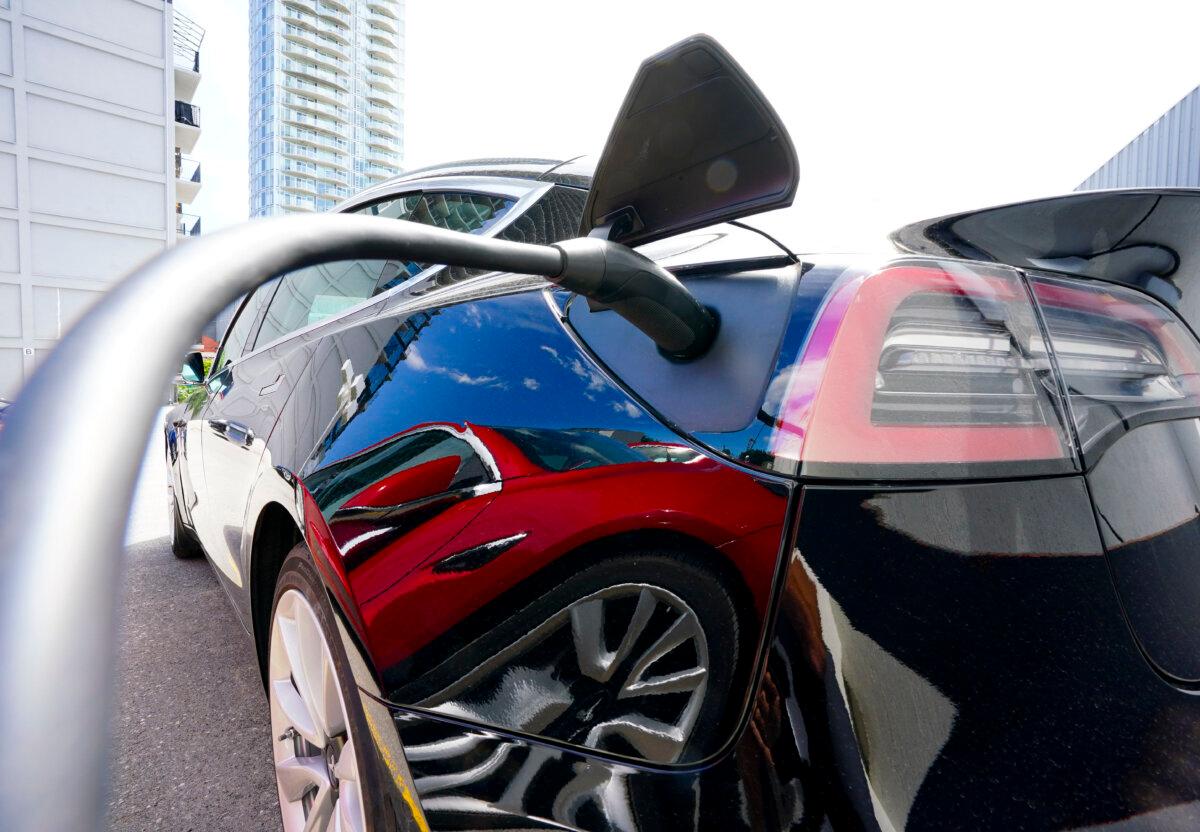
New Program
Carney announced on Feb. 5 that the new regulations would include stricter greenhouse gas emission standards for vehicle model years 2027 to 2032, with the aim of reaching an EV adoption rate of 75 percent by 2035 and 90 percent by 2040.The reintroduced incentive program for EVs, with incentives declining over five years, will apply to purchases and leases of eligible cars with a final transaction value of up to $50,000 from countries with free-trade agreements but will have no price cap for Canadian-made EVs and plug-in hybrids. The government said there are currently 20 models from various manufacturers that can benefit from the new incentives.
Checkel sees the new policy as a reaction to the reality that “it’s going to take longer to get all the charging infrastructure in place and to get people to want to buy electric vehicles.”
However, Checkel said it will take time for the mining of critical minerals used in EVs, which include cobalt, lithium, graphite, manganese, and nickel, to be scaled up to meet the demand for the vehicles. He said it can take over a decade for a mine to be approved, and even longer for the minerals to be refined and used in EV manufacturing.
“In Canada, we’ve got the mining expertise, we’ve got the resources, but somebody has to put in the billions [of dollars] over decades to actually bring that to fruition,” he said.
Gessaroli said the new EV mandate is “not as aggressive or unrealistic” as the previous one but replacing internal combustion engines with electric ones will still take huge amounts of investment.
He said the prior EV mandates would have had “significant” financial consequences for automakers and individuals. He added that the drop-off in EV sales in Canada was due to federal and provincial EV subsidy programs being cancelled or running out of money.
“So obviously, price is a very important element in the purchase of these new vehicles by the marketplace,” Gessaroli said. He added that EV sales will likely increase again soon, as some consumers have likely been holding off on purchasing the vehicles while waiting for EV rebates to return.
Gessaroli said the impact of the $50,000 price threshold for certain EVs will become clearer in a few months. He said that, with the government expecting more dealerships to adjust the prices of some models so that more will benefit from the incentive, this could boost EV sales at the expense of dealerships’ profit margins.
However, the finance professor said that despite the creation of new EV subsidies, it remains a “regressive” policy that does not assist lower-income Canadians who cannot afford to buy EVs as much as it does for middle- or higher-income Canadians.
Additionally, lower-income Canadians are less likely to own a home where they can install a charging station and take advantage of low residential electricity rates, he noted. “Then they'll have to rely on public charging stations at gas stations and things like that, ... so they lose a lot of that advantage in terms of saving on fuel costs,” he said.
Gessaroli also said concerns remain about EVs performing poorly in colder weather and the shortage of charging stations available across Canada, which make the vehicles less feasible for those in northern or rural communities.
“None of those [issues] have gone away. They’re still there. What government’s done is basically eased up on the time frame that they want most of the sales to be electric or zero emission,” Gessaroli said.
“By strengthening greenhouse gas emissions standards and backing Canadian workers to build cleaner and more efficient vehicles, we are reducing pollution at the source while meeting growing global demand for EVs,” Minister of the Environment, Climate Change, and Nature Julie Dabrusin said.
The Conservatives, who had been critical of the previous EV mandate, are taking issue with the new incentives also applying to American-made cars, arguing that since countries like the United States produce higher volumes of EVs than Canada, they would be the ones primarily benefitting from the consumer incentives.
“Decisions that affect this sector must strengthen, not undermine, Canadian workers and domestic production,” Conservative MPs Raquel Dancho and Kyle Seeback said in a statement.
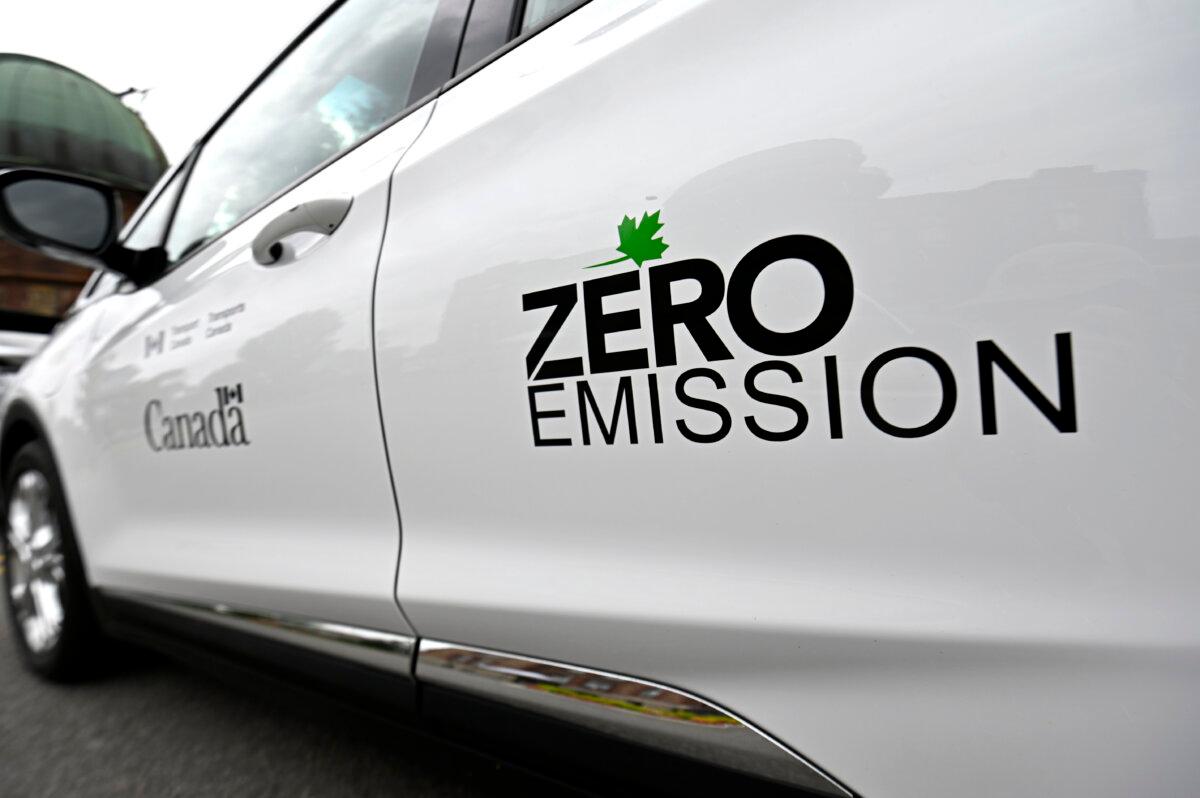
Previous Mandate
In late 2023, the Liberal government introduced new regulations requiring at least 20 percent of all new light-duty vehicles offered for sale in Canada to be zero-emission by 2026, with the target increasing to 60 percent in 2030 and 100 percent in 2035. Most personal vehicles, such as cars, SUVs, and light pick-up trucks, are considered light-duty vehicles. Automakers unable to meet the 2026 target could purchase compliance credits from competitors and limit sales of internal combustion vehicles.The EV mandate was introduced as part of the government’s overall plan to reduce greenhouse gas emissions to 40 percent below 2005 levels by 2030, and net-zero emissions by 2050.