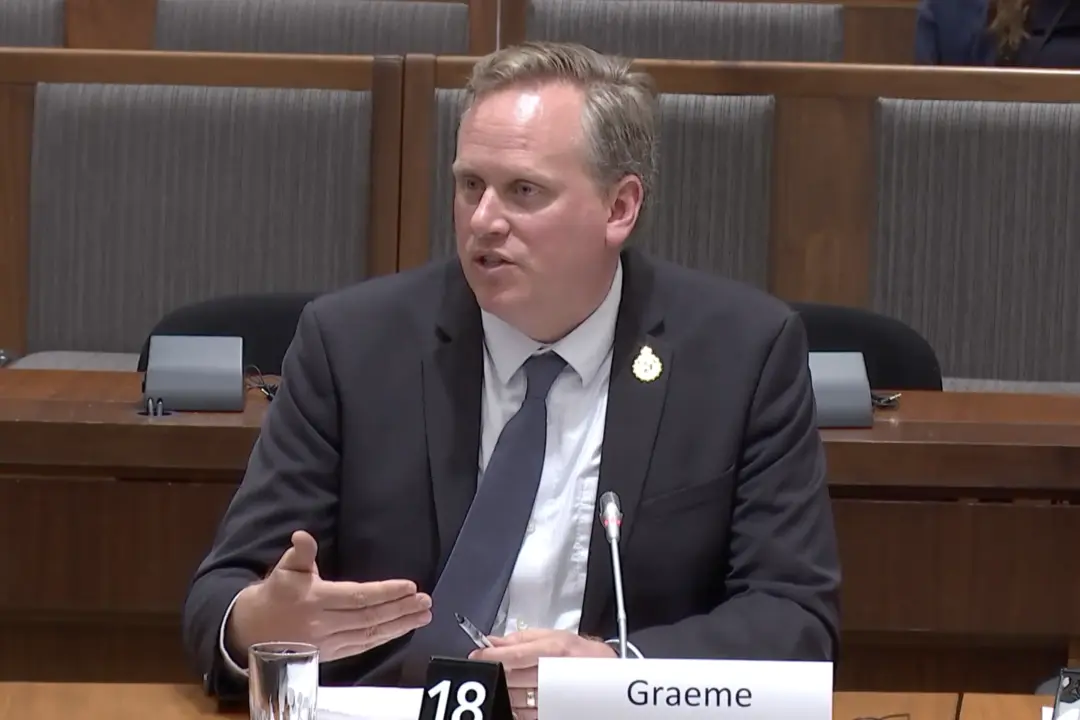
The federal government tabled its third attempt at online harms legislation this week, but left out some of the most controversial elements from the last two.
What’s New
Bill C-34 is centred on child protection, and includes new measures that were not included in the previous two bills, such as social media age limits, AI chatbot rules, and a new enforcement body.The bill would require social media platforms to implement minimum-age restrictions that generally prohibit children under 16 from holding accounts. However, exemptions could be granted where a platform is deemed to have implemented adequate safeguards to protect children.

The bill also says social media services have a duty to “act responsibly,” by implementing measures that mitigate the risk that users will be exposed to “harmful content” on their platforms.
The bill defines harmful content to include the non-consensual sharing of intimate images, content that sexually victimizes a child or revictimizes a survivor, content that encourages a child to harm themselves, content used to target or bully a child, content that foments hatred, content that incites violence, and terrorism or violent extremist content.
While platforms would not be required to proactively monitor all user content, they would be required to implement risk-mitigation measures and provide user-safety tools such as blocking and content-reporting functions. They would also be required to address AI-generated content, including ‘deepfakes,’ and publish publicly accessible “digital safety plans” outlining how they comply with the legislation.
Platforms would also have to implement age-verification or age-estimation measures to reduce the risk of children accessing pornographic content and remove child sexual abuse material and non-consensual intimate images within 24 hours of identifying the content, whether through their own systems or user reports.
The bill does not specify which specific platforms the restrictions would apply to, but sets out to establish a new Digital Safety Commission that would be responsible for enforcing the rules, ensuring compliance, looking into complaints, and levying penalties on platforms that break the rules. Companies that fail to comply could face fines of up to the greater of $10 million or 3 percent of their global revenue.

AI Chatbots
Bill C-34 would also bring AI chatbot services under the online safety regime, requiring operators to implement measures to mitigate the risk that chatbots communicate harmful content—a provision that was absent from Bill C-63.Companies would be required to build in mandatory crisis-intervention protocols so that if a user expresses suicidal ideation, an intention to self-harm, or an intention to commit an act that could cause death or serious bodily harm to an individual, the service would “immediately interrupt its interaction with the user” and direct the user to human-operated crisis services.
Companies would also be required to reduce the risk of chatbots engaging in “harmful behaviours,” including falsely presenting themselves as human, impersonating licensed professionals such as doctors or lawyers while providing advice, using manipulative techniques to foster emotional dependency that encourages social withdrawal or detachment from reality, or promoting self-harm or suicide.
Similar to social media platforms, AI chatbot services would be required to submit digital safety plans and would be subject to enforcement by the Digital Safety Commission.
What’s Different From C-63
Bill C-63 was much broader than the new Bill C-34, as it included controversial amendments to the Criminal Code and the Canadian Human Rights Act that are not part of the new bill.The bill would also have revived a version of Section 13 of the Canadian Human Rights Act, a former provision governing online hate speech that was repealed in 2013. Critics argued the measure was overly broad and subjective and could chill lawful expression by subjecting speech to civil penalties outside the criminal justice system.
Bill C-63 also proposed a Digital Safety Omsbudperson and a Digital Safety Office in addition to a Digital Safety Commission, but the new bill collapses all three functions into one.
Reactions
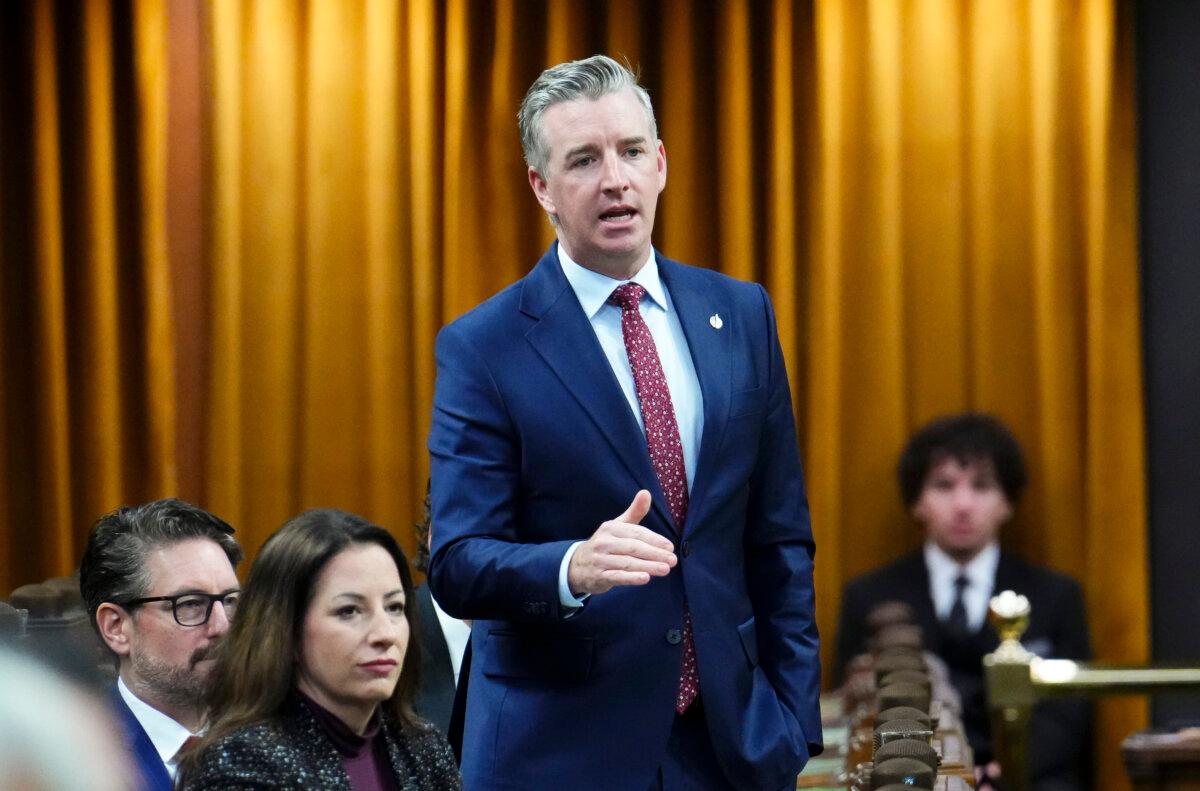
The federal Conservatives have not yet taken a formal position on Bill C-34, saying they are reviewing the legislation.He noted that the “unmonitored and unmanaged” use of social media platforms and AI chatbots has demonstrated a risk to children and that Conservatives want to see legislation that protects children and supports parents.
The bill will need to be studied “very closely” in committee, Barrett said, adding that Parliament needs to hear from experts, industry, law enforcement, and users’s families to ensure the legislation will effectively keep children safe.
Civil liberties advocates have raised concerns about the age-verification and age-estimation requirements proposed in the bill, arguing they could have implications for privacy and anonymity online. They say the measures must be effective, must not collect personal information beyond what is needed for verification, and platforms must destroy that information once verification is complete.
“Canadians have shown again and again we don’t believe you should have to show your face or upload ID to live an ordinary online life. Our government needs to listen to them,” OpenMedia Executive Director Matt Hatfield said in a June 10 statement.
Bill C-34 was introduced in the House of Commons on June 10 and will now proceed to second reading debate and then to committee, where witnesses will testify and amendments could be proposed. With the House of Commons raising for the summer next week, scrutiny is likely to begin in earnest in the fall.