The union representing WestJet’s flight attendants says its tentative deal with the Calgary-based airline includes a more than 18 percent wage hike over three years and new compensation for previously unpaid duty time.
The Canadian Union of Public Employees (CUPE) announced it had reached a tentative deal on Aug. 3, following the end of a one-day strike, which started on Aug. 2. Details of the agreement were published by the union on Aug. 5.
The tentative agreement includes a 13 percent wage increase effective this October, followed by increases of 2.75 percent in January 2027 and 2.5 percent at the start of 2028. The proposed deal also offers greater flexibility for flight attendants to switch shifts and longer minimum rest periods between assignments.
Additional changes include higher allowances for meals and replacement of uniforms, an additional $300 per year in a health spending account, compensation when hotel rooms aren’t ready when flight attendants arrive at their destination, and more time off for significant life events.
The previous agreement did not include employer-paid maternity benefits, but the new proposal provides a maternity top-up for 17 weeks after birth. The new deal also proposes accommodations to be made for breastfeeding up to 24 months, increased from the current 18 months.
A further stipulation of the new proposal would see flight attendants who’ve worked for WestJet for 25 years be entitled to a fifth week of vacation per year instead of the currently offered four weeks.
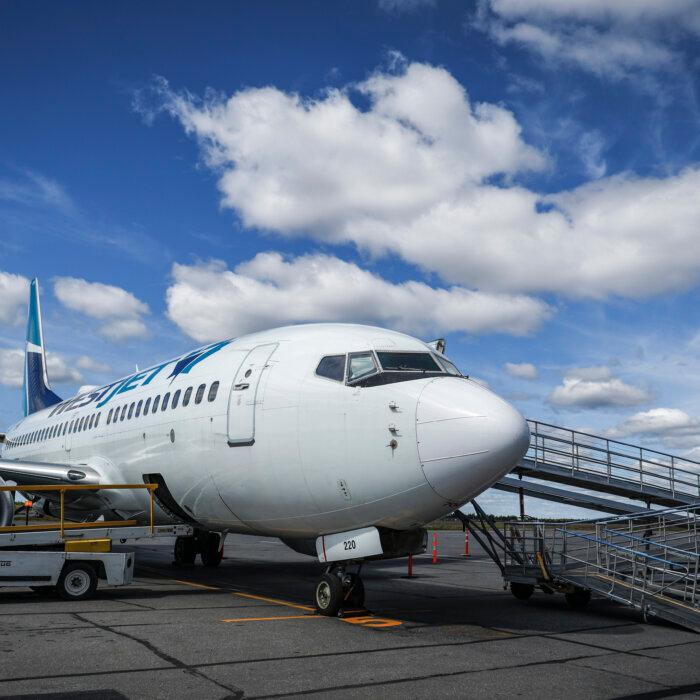
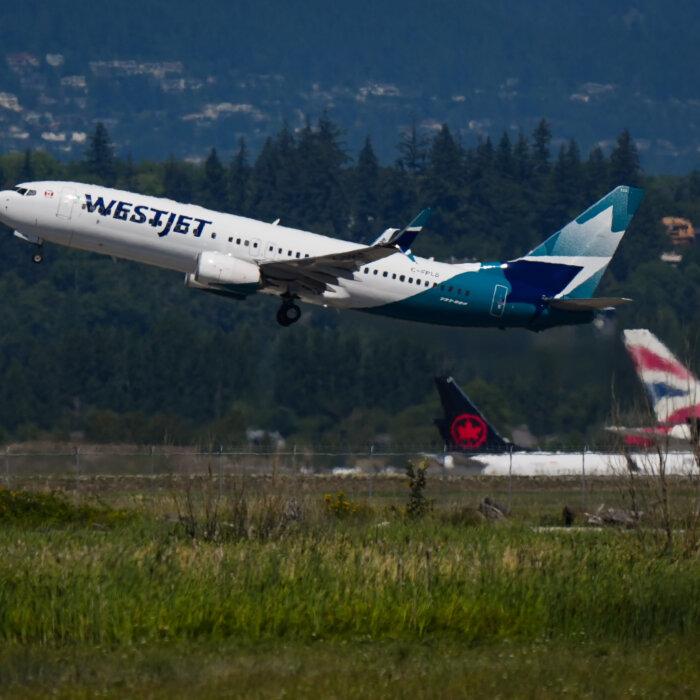
WestJet flight attendants walked off the job early Aug. 2 after months of tense negotiations, leading to some disruptions in service and cancellation of hundreds of flights.
The strike did not include around 360 WestJet Encore flight attendants, who belong to a separate CUPE bargaining unit, although Encore flight crew separately served notice on April 2 to begin negotiating a new agreement.
Bargaining started in January, with CUPE negotiating for higher wages and pay for on-the-ground work, arguing that flight attendants were performing significant unpaid duties before and after flights.
The airline has faced growing pressure from flight attendants to pay for ground responsibilities following an agreement negotiated by unionized Air Canada cabin crews last August that included separate ground pay.
Under the Air Canada agreement, pre-flight pay—covering one hour before takeoff—is set to increase from 50 percent of an employee’s regular hourly wage last August to 60 percent in April 2026, 65 percent next year, and 70 percent by the 2028–29 contract year.
The tentative agreement also introduces a duty period premium that would compensate WestJet flight attendants for previously unpaid work time. The premium would be paid in addition to regular credit-hour earnings and phased in at 75 percent of the calculated amount from March 2 to Dec. 31, 2027, 85 percent for most of 2028, and 100 percent beginning Dec. 31, 2028.
CUPE estimates the premium will amount to roughly 12 percent of a flight attendant’s salary once fully in place. The deal must now be presented to its WestJet component for members to review and vote on.
The new contract would go into effect retroactively from Jan. 1 of this year to Dec. 31, 2028, if it is ratified.