WestJet flight attendants went on strike on Aug. 2, with the airline cancelling hundreds of flights over the long weekend, after the carrier and the union representing its cabin crews failed to reach a new contract agreement before the strike deadline.
WestJet confirmed the work stoppage after the Canadian Union of Public Employees (CUPE) 8125 announced it. The 72-hour strike deadline expired at 12:01 a.m. MT on Aug. 2, triggering the walkout.
The union first issued the strike notice for the 4,400 flight attendants of the Calgary-based airline on July 30, which was matched by a lockout notice from WestJet on the same timeline.
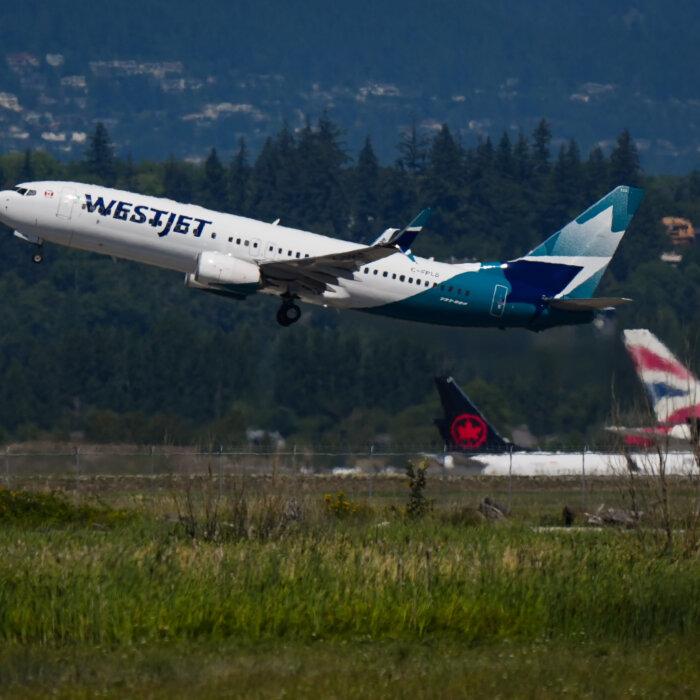
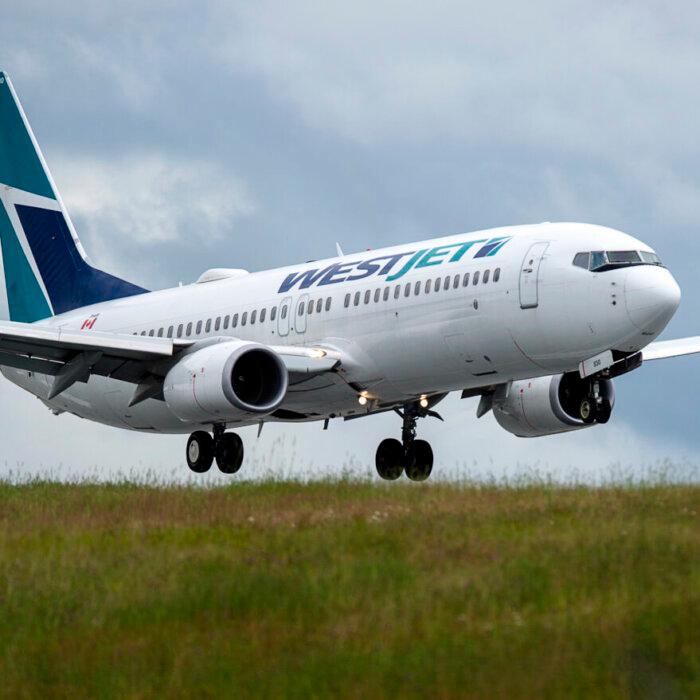
On July 31, WestJet said in a statement that it was parking 737 aircraft but that WestJet Encore flights operated on a Q400 would remain unaffected, as would codeshare flights operated by airline partners.
In a separate statement on that same day, the carrier announced it was initiating an “organized take-down” of its network. It issued a series of flight cancellations before providing another update at 12:00 p.m. MT on Aug. 2.
“This action is in response to the union’s notice to strike and the inability to reach an agreement,” the carrier wrote as it announced an additional 291 cancelled flights, bringing the total up to 600 cancellations in three days.
The airline described its most recent proposal to CUPE 8125 as a “transformative, industry-leading agreement,” which it said directly addressed the key issues identified by the union.
The dispute centres largely on pay, with the union arguing that flight attendants are not compensated for all of the work they perform before and after flights, and seeking pay from check-in to clock-out. WestJet maintains that its flight attendants are compensated under an industry-standard “credit-hour” system that includes flight pay as well as additional contractual compensation and benefits.
WestJet reports that cabin crew earn between $28.45 and $53.61 per credit hour, while the union says the advertised rate does not necessarily reflect what a crew member earns for each hour they are required to work.
“As duty hours increase relative to credited hours, the actual hourly value of compensation decreases,” it says.
In an Aug. 2 news release, CUPE 8125 president Alia Hussain said that although WestJet’s latest offer did not go far enough, the union was prepared to return to the bargaining table. She asked that Ottawa let the bargaining process continue and not interfere.
In its latest offer published Aug. 2, WestJet’s proposal includes a 13 percent wage increase starting in October, with retroactive pay to Jan. 1 of this year. It also provides a new duty pay premium, which the company said is equivalent to an additional 12 percent salary increase. The airline added that the “additional pay” for all hours is “designed to solve the union’s claim of unpaid work.”
Minister of Jobs and Families Patty Hajdu expressed disappointment that a deal was not reached before the strike deadline, though Ottawa has not explicitly declared whether it will step in.
“A strike or lockout does not mean an agreement can’t be reached; the expectation is that parties can and should come to an agreement at the bargaining table,” she said in a statement posted on X early on the morning of Aug. 2.
Hajdu had previously directed the country’s labour board to order Air Canada flight attendants back to work, during a strike in August 2025. However, the union defied that order and forced Air Canada back to the bargaining table to secure a tentative agreement.
In February this year, an arbitrator reviewing wages for flight attendants at Air Canada finalized rates at the airline, closing out the labour dispute that disrupted travel for thousands of people last summer.
The Canadian Press contributed to this report.