This copy is for your personal, non-commercial use only. Distribution and use of this material are governed by our Subscriber Agreement and by copyright law. For non-personal use or to order multiple copies, please contact The Epoch Times Reprints.
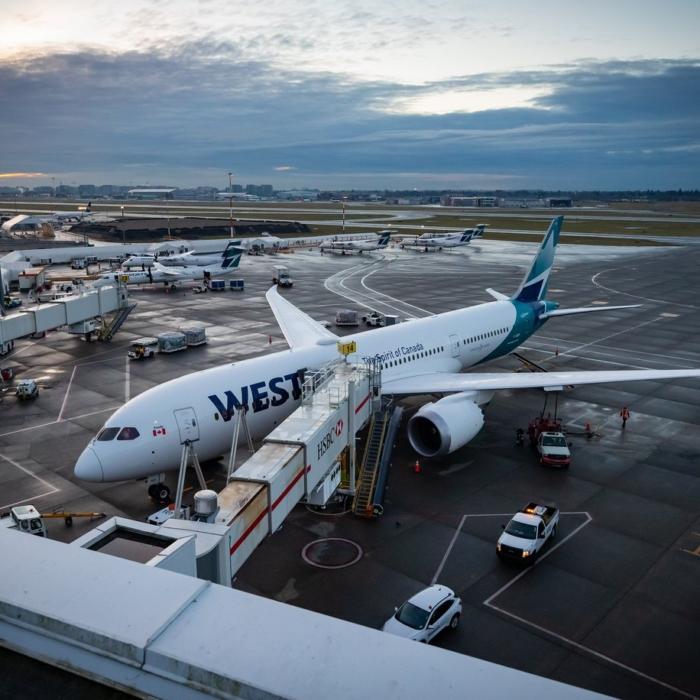
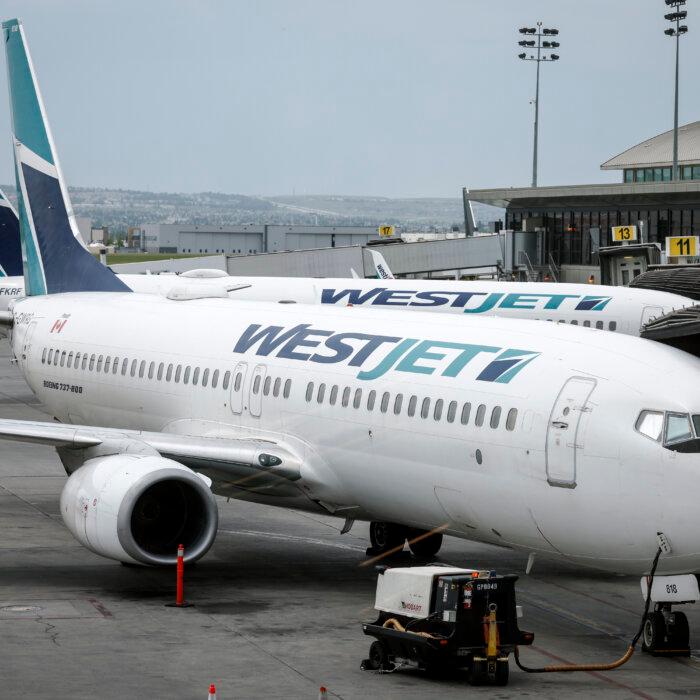
WestJet is allowing passengers on eligible flights to make a one-time change or cancellation at no cost as the airline prepares for the possibility of a strike by its flight attendants.
Passengers on WestJet flights between July 30 and Aug. 4 would be allowed the change, while those on Q400 or WestJet codeshare flights would not be impacted by any potential service disruptions, the airline said in a July 23 news release.
The airline also issued a travel advisory for WestJet flights from all airports. Those who booked through WestJet Vacations, Sunwing Vacations, or Vacances WestJet Québec would be contacted directly about flexible options, the advisory says.
WestJet flight attendants—represented by Canadian Union of Public Employees (CUPE) 8125—voted 99.4 percent in favour of a strike, citing unpaid work, stagnant wages, and scheduling issues. The strike authorization vote was opened by CUPE 8125 on July 9, and ran until July 15, when the results were finalized and officially announced.
WestJet advised travellers to follow updates on the negotiations through a dedicated website. As of July 23, the union and the airline had agreed in principle on 38 articles, and 29 articles remained in progress, the website indicated.
“A strike authorization vote is a common step by unions in context of the overall labour negotiation process and does not mean a strike will occur,” WestJet Group CEO Alexis von Hoensbroech said on July 15 following the union’s announcement of the results of the strike authorization vote.
“We are steadfast in our commitment to reach a meaningful agreement with CUPE that recognizes the contribution and professionalism of our cabin crew members and keeps WestJet competitive and sustainable.”
WestJet said its cabin crew are paid under a credit-hour system, the standard compensation model for flight attendants across North America. Under the system, a credit hour—equivalent to one hour of flight time—is designed to compensate employees for their full range of duties, including preflight and post-flight work, ground duties, and delays, rather than only the time an aircraft is in the air. The airline said the higher credit-hour rate also includes minimum monthly guarantees and other protections outlined in the collective agreement.
The airline said it is prepared to make “meaningful improvements that work for cabin crew while balancing the future sustainability of WestJet.”
In its own statement on July 15, CUPE 8125 said it aimed to minimize impact on travellers.
“Due to stalled negotiations with WestJet, this strike vote became necessary to move the process forward at the bargaining table,” it wrote.
“The members of CUPE 8125 are united and determined,” CUPE 8125 President Alia Hussain said. “They voted to strike because they stand behind the bargaining priorities that they have identified, especially pay for all hours of work performed. WestJet should do the right thing and prevent travel disruptions for their passengers.”