Virgin Australia has formally declared its plans to relist on the Australian Securities Exchange (ASX), marking a major milestone in its post-pandemic recovery.
The airline, which was delisted in 2020 following its voluntary administration during COVID-19, has submitted a prospectus to the Australian Securities and Investments Commission (ASIC), signalling the beginning of a public offering worth $685 million.
The offering will comprise 236.2 million fully paid ordinary shares, priced at $2.90 each. Once the transaction is finalised, new investors are projected to hold approximately 30.2 percent of the company’s shares.
Trading is expected to commence on the ASX on June 24.
This listing will substantially reduce the shareholding of U.S. private equity firm Bain Capital, which acquired the airline out of administration.
Bain’s stake will drop from roughly 70 percent to 39.4 percent. Meanwhile, Qatar Airways is expected to retain its existing 23 percent share in the company.
Peter Warne, chair of Virgin Australia, said the timing was right for the airline to return to public markets.
Virgin’s Rise Amid Industry Shake-ups
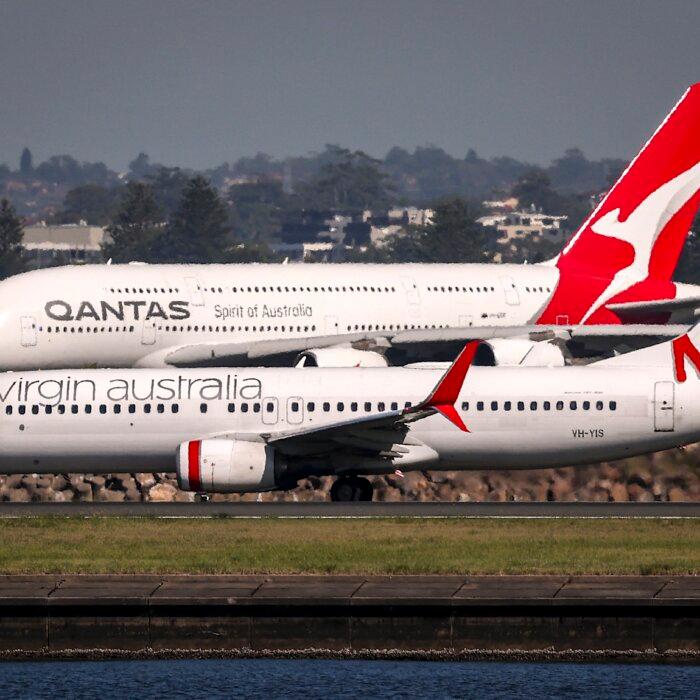
Virgin Australia’s return to the ASX comes as the airline maintains a 34.4 percent share of Australia’s domestic aviation market, trailing Qantas at 37.5 percent, based on March 2025 figures from the Australian Competition and Consumer Commission.The collapse of smaller players like Bonza and ongoing financial trouble at Rex Airlines has further solidified Virgin’s position as one of the two dominant carriers in the country.
Australia has a long and volatile history with budget and start-up airlines, most of which have failed to survive.
From East-West Airlines and Compass in the early 1990s to OzJet’s brief appearance in 2005, the domestic aviation market has proven inhospitable to newcomers.
Impulse Airlines, which began by servicing regional routes in New South Wales, eventually folded and was absorbed by Qantas, giving rise to QantasLink. The dramatic fall of Ansett in 2001—once a national icon—remains a cautionary tale, with the airline losing $1.3 million daily before it ceased operations.
Professor Graeme Hughes of Griffith University said currently the sector was undergoing consolidation as rising fuel prices, high labour costs, and limited access to airport infrastructure squeeze out smaller players.
“The Australian aviation industry is undergoing a period of consolidation,” he told The Epoch Times. “The collapse of Bonza and the financial difficulties faced by Rex highlight the challenges of operating in a highly competitive and cost-sensitive market.”
Airlines, Hughes noted, rely on a fragile ecosystem of government policy, consumer demand, and infrastructure access. Without long-term support, newer carriers often struggle to remain viable.