Victorian taxpayers face a $7.9 billion (US$5.1 billion) bill to cover transmission infrastructure for the state’s push towards net zero.
The figure outstrips an earlier estimate in June for the project to cost $4.3 billion.
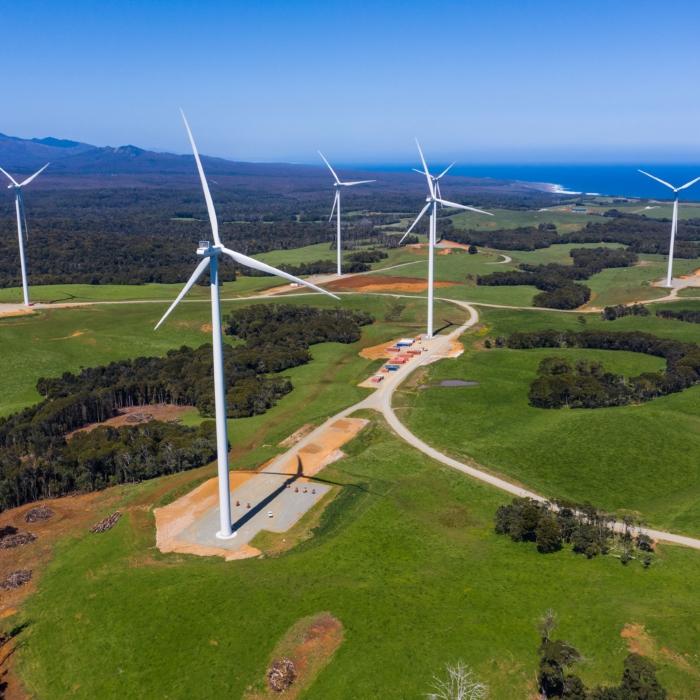
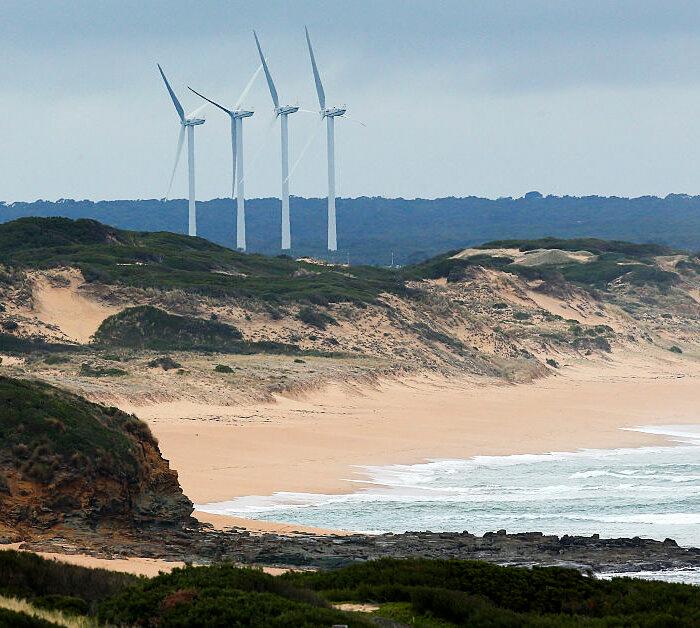
An extra Gippsland shoreline renewable energy zone has also been proposed to support offshore wind turbine development.
“In total, the proposed renewable energy zones cover 7.9 percent of Victoria’s land area,” government agency VicGrid said.
“The total, unescalated economic cost of the optimal development pathway is $7.9 billion,” the VicGrid report says.

The VicGrid report also notes that the $7.9 billion price tag excludes multiple factors including land acquisition.
“The transmission costs reflect capital expenditure of the projects and do not include operating and maintenance expenditure, although allowances for operations and maintenance costs are included in the cost-benefit analysis,” the report states.
“The costs also exclude allowances for land acquisition, VicGrid and development/delivery partners, financing, and risk and escalation costs.”
The report noted that the transmission infrastructure market was dynamic and had experienced “sharp increases in costs in recent times.”
“Key drivers of change have been increasing global demand from energy transition and electrification, rising raw materials, labour and contracting costs, supply chain constraints and market capacity pressures,” the report notes.
Engaging with “Traditional Owners and First Peoples” will also be a priority.
“We are prioritising early engagement and involvement of Traditional Owners and First Peoples in planning for renewable energy and transmission infrastructure,” it states.
Victoria’s Energy Minister Lily D’Ambrosio described the plan as a major milestone in the state’s energy transition.
“As coal-fired power stations close and we move further toward a future powered by renewables, we need to support this transformational change with a plan that balances the long-term interests of all Victorians,” she said.

D’Ambrosio said without the plan, the government would not be able to connect new renewables to the grid.
Shadow Minister Says ‘Little Support’ From Community
Liberal Shadow Minister for Energy David Davis said the renewable energy zones would not constrain surging electricity and gas prices.He also noted they appeared to have “little support across vast areas of regional Victoria.”
“What has happened to basic democracy in Victoria?”
“And the roll out of Labor’s big transmission wires will force the electricity bills of every Victorian family upwards.”