Victoria has recorded a modest $600 million operating surplus—the first since the pandemic—but taxpayers are still staring down the barrel of ballooning net debt now forecast to hit $194 billion by June 2029.
That’s an increase from the $167.9 billion projected for 2025–26, with debt servicing costs alone rising from $21 million to $29 million a day by 2027–28.
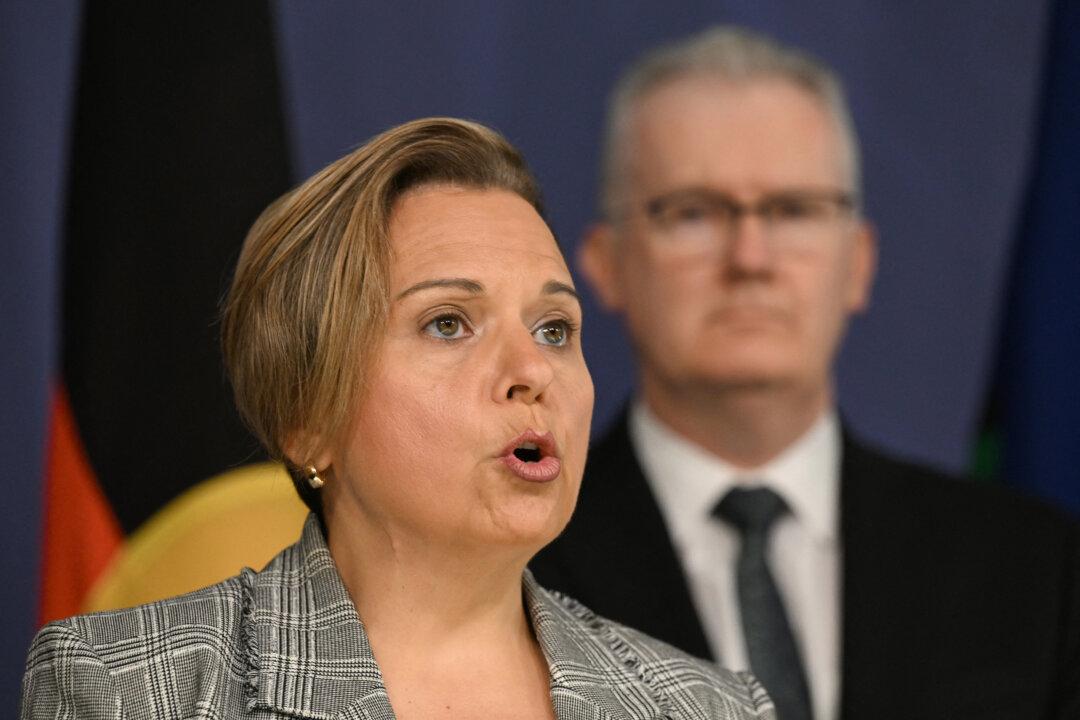
Labor Treasurer Jaclyn Symes said the budget marks a “turning point,” insisting debt will begin to fall as a share of the economy.
“We will see continued surpluses in the years to come—allowing us to continue to provide services and infrastructure that Victorians need.”
Yet with interest payments expected to consume 9 percent of total government spending—up from 6.5 percent.
Cuts and Levies
To try contain spending, the government will reduce the public service by over 1,200 roles, primarily through natural attrition, which will take years.
Revenue from payroll tax—driven by the COVID debt levy and mental health levy—remains the largest source of income, followed by land and financial transaction taxes.
Camping fees at 131 Parks Victoria sites will no longer be free, with a half-price model introduced until 2027. Meanwhile, spending on recreation, culture and religion will rise from $1.2 billion to $1.5 billion.

Health, Families, Energy Rebates Take Centre Stage
The biggest ticket item in Symes’ first budget is a record $11.1 billion health funding package.That includes $634.3 million to build or expand nine new hospitals and $9.3 billion for major upgrades at Footscray, Frankston, and Maryborough. Emergency departments in Swan Hill, Albury Wodonga and Geelong will also be redeveloped.
Victoria’s Virtual Emergency Department will triple in capacity with a $473 million boost, and $57 million is earmarked for upgrades at the Royal Melbourne Hospital.
Mental health services will see $34.5 million to expand the Mental Health and Wellbeing Locals network and $7.5 million for suicide prevention and Indigenous-specific programs.
Families will receive continued support, with $859 million to maintain free kinder for three- and four-year-olds, $152.3 million more for the Camps, Sports and Excursions Fund, and $272 million for child protection.
Housing Support And Education Funding
Housing and community spending is set to rise nearly 40 percent to $2.75 billion, with the government extending stamp duty concessions for off-the-plan apartments by another year—costing $61 million.Transport Projects And Road Works Scale up
Public transport will see a $1.2 billion investment, including $318 million to fund free travel for under-18s and $2.2 million for free weekend travel for seniors. Bus services will be overhauled with $162 million.Sunshine Station will receive $4.1 billion for development, while $727 million will support “operationalisation” of the Metro Tunnel. Rail improvements on the Craigieburn, Sandringham, Upfield and Werribee lines will cost $46 million.
Opposition Warns of Near $30 Million of Daily Interest Payments
The opposition has accused the Allan Labor government of failing families and plunging the state deeper into debt.“This is a budget built on lies, fantasy forecasts and spiralling debt,” said Opposition Leader Brad Battin.
“Labor has run a cash deficit, and Victoria’s debt is now set to blow out to $194 billion by 2028–29—knocking on the door of $200 billion. That will be $28.9 million in interest every single day, or $10 billion a year.”
He said families were “paying more and getting less,” pointing to a $2.4 billion cut from public schools and deteriorating infrastructure.
Shadow Treasurer James Newbury added: “They promised to hold expenses steady at 0.2 percent growth. Instead, they blew the budget by $8.2 billion in just 12 months.”