Victoria will likely be the second Australian state to have its own version of an Indigenous Voice to Parliament.
This comes as the state Labor government continues to push ahead with treaty talks with the Aboriginal community.
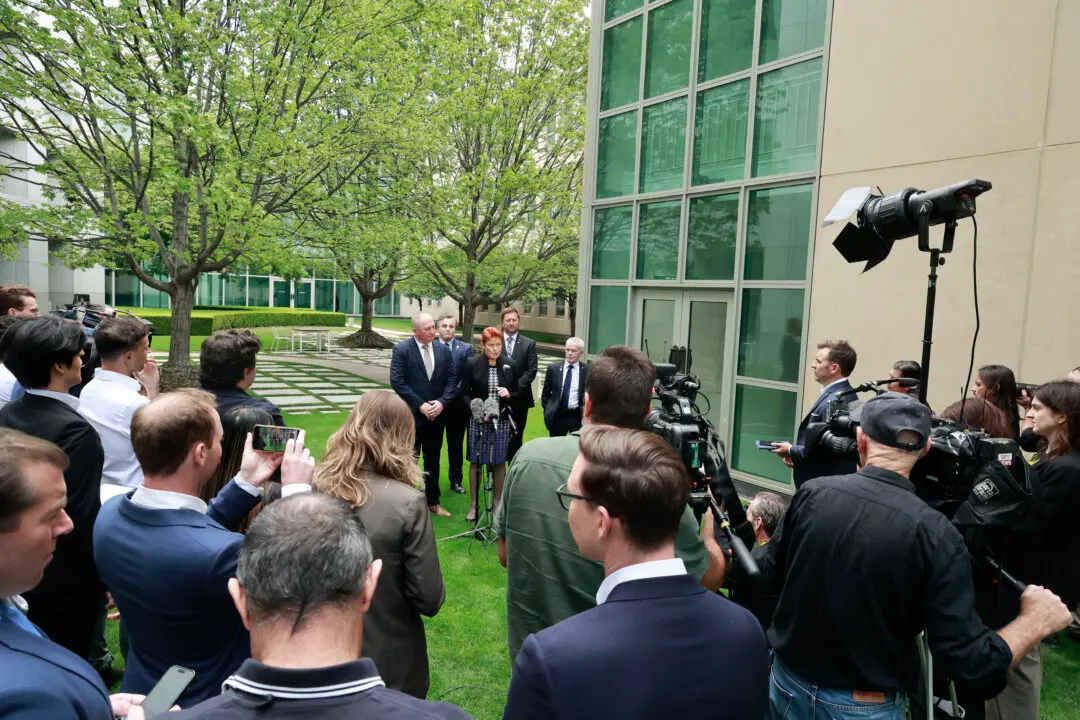
On June 30, Victorian Premier Jacinta Allan announced her government would legalise the First Peoples’ Assembly of Victoria as a permanent advisory body to the state parliament.
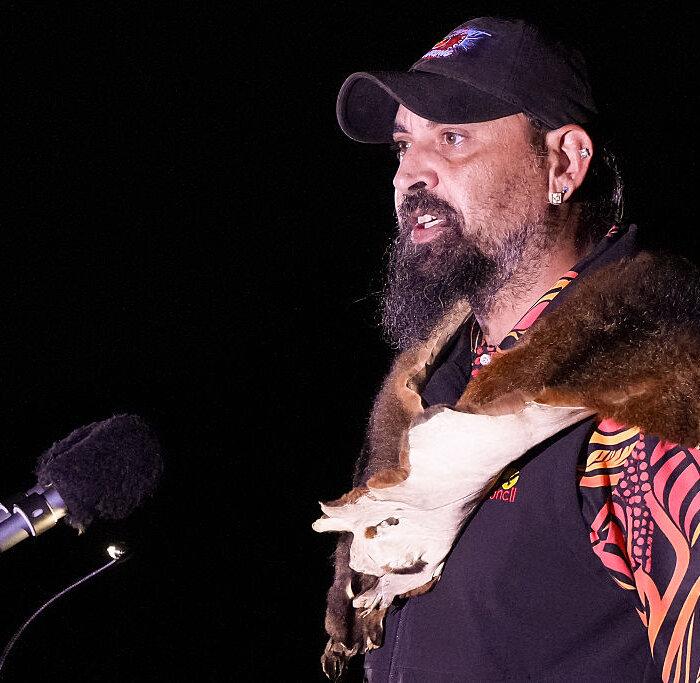
Founded in 2019, the Assembly is an independent body representing the Indigenous community in Victoria with the primary purpose of negotiating a statewide treaty with the Victorian government.
The treaty aims to give Indigenous people a greater voice in political matters that affect them, promote Aboriginal culture and language, and facilitate “truth-telling” about their history.

During a press conference, Allan stated that Victoria’s version of the Ingenious Voice was different from the failed 2023 federal Voice, as it did not involve any constitutional change.
The premier also expressed confidence that the initiative would be approved by the state parliament.
“The key difference to the referendum that was put nationwide a couple of years ago is that [it] was changing the constitution,” she told reporters.
“This is not changing the Victorian constitution, it’s simply taking a common-sense approach.”
While the Assembly is expected to provide advice on a range of matters, it remains unclear the extent of the powers the advisory body would have.
Opposition Will Not Back the Move
State Opposition Leader Brad Battin criticised the move.“While the premier pushes ahead with her ideological agenda, families are battling a cost-of-living crisis, surging crime, and a health system at breaking point.”
Battin also noted that Victorians had voted against a federal Voice to parliament, and his party would continue that stance.
“The Victorian Liberal and Nationals will not support the treaty or a Voice to Parliament,” he said.
“We need a government focused on delivering outcomes, not chasing headlines.”
Echoing the sentiment, Margaret Chambers, research fellow at the Institute of Public Affairs, said Allan’s announcement was a “slap in the face of every Victorian” who has rejected the federal voice.
“Victorians made their voice clear with 54.1 percent voting ‘no’ to a race-based voice to parliament,” she said.
“Given the overwhelming democratic rejection by Victorians of the Voice to Parliament proposal, it is unbelievable that Premier Jacinta Allan is set to divide the community with a state-based body.
“It is a further sign of the state’s two-tiered legal system.”