The Allan Labor Government has signed off on Victoria’s biggest-ever battery storage project—a one-gigawatt facility near Portland that promises to store enough renewable energy to power 345,000 homes at peak demand.
Pacific Green’s Portland Energy Park will include four separate 250-megawatt “battery parks” and a new terminal station linked into the state grid.
Approved under Labor’s Development Facilitation Program, the $1-billion-plus project is expected to support grid reliability and price stability as renewable generation ramps up.
Construction is projected to generate around 300 jobs, with 60 ongoing positions once operational.
The facility must still comply with strict conditions on biodiversity, bushfire safety and noise, as well as deliver local road upgrades.
Race to Deliver Renewable Targets
Victoria has set ambitious goals: 65 percent renewable generation by 2030 and 95 percent by 2035.
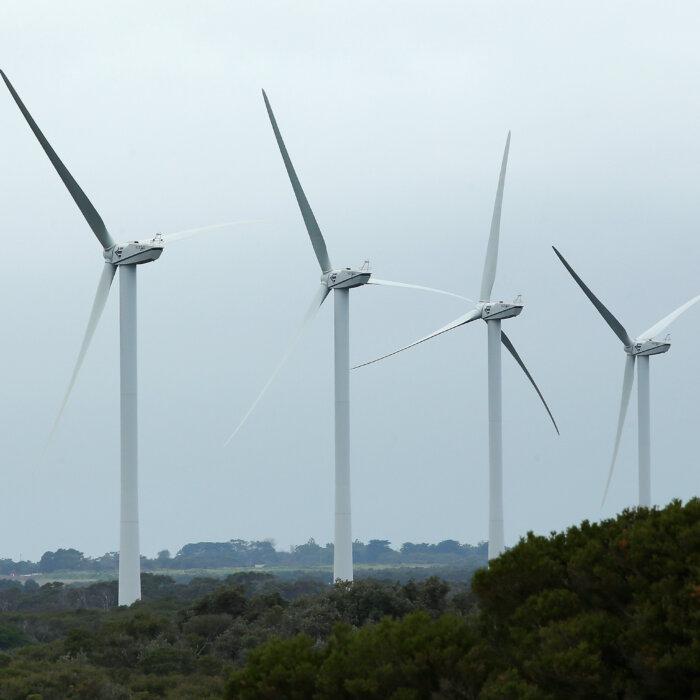
To reach them, the government claims to have fast-tracked more than $6 billion in renewable projects.
Officials say those projects together could power over half a million homes annually and add storage capacity for more than 1.6 million households.
Yet progress has been uneven. While the state hit a 42 percent renewable output this year, major offshore wind projects have stumbled.
Origin and Renewable Energy Systems’ (RES) Navigator North project in Gippsland has paused participation in initial funding rounds, citing government timelines it could not meet.
Other ventures, including the $6 billion Seadragon wind farm, have collapsed entirely.
Opposition Warns of Rising Costs
The opposition argues the state government’s accelerated approach risks alienating communities while failing to address cost pressures.Shadow Energy Minister David Davis accused Labor of “botching” the transition.
“Every Victorian saw their electricity and gas bill jump on Aug. 1, yet the government pretends its renewable zones will somehow solve the problem,” he said.
Davis also labelled Labor’s rollout of renewable energy zones “heavy-handed” and “bullying” toward regional residents opposed to large-scale developments.
Community protests have grown louder in recent months, particularly around rural siting of wind farms and batteries.
Critics say that while big storage projects are essential, the pace and scale are leaving little room for local consultation.