A Victorian government agency tasked with developing infrastructure for renewables has significantly scaled back its visions for future expansion.
VicGrid, a government agency established in 2021 under the state’s Department of Energy, Environment and Climate Action, was set up specifically to coordinate and plan the state’s Renewable Energy Zones (REZs), generally comprising wind, solar, and battery farms.
But in the most recent draft 2025 Victorian Transmission Plan (VTP), the long-term vision for renewables appears to have been reined in by a more conservative output strategy.
The latest report shows the Victorian government proposing to cap the magnitude of wind and solar generation in its REZs in order to mitigate the risk of overproduction which could subsequently tarnish investor interest.
When supply exceeds demand or storage, it can cause wind and solar farms to become commercially unviable, generating lower returns for investors.
The state government also runs the Victorian Access Regime (VAR), a body that works to align wholesale electricity generation with transmission infrastructure in order to satisfy third-party investors.
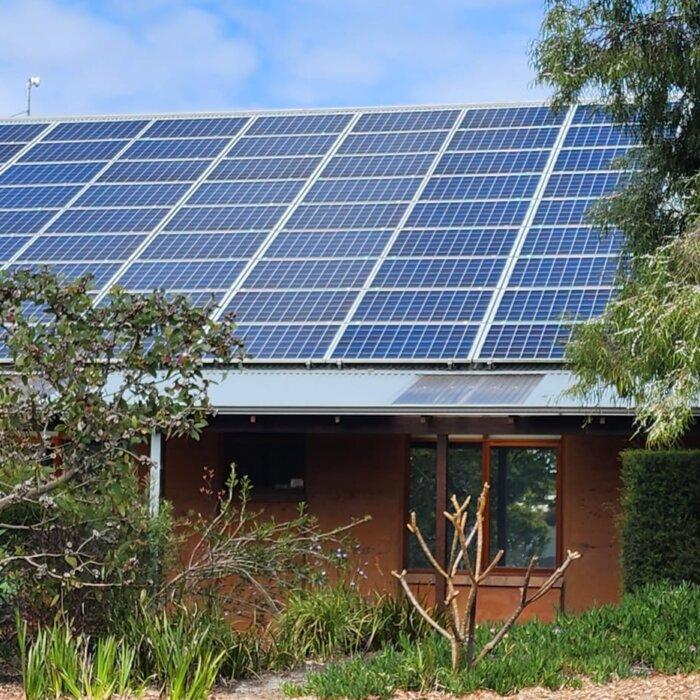
But the 2025 draft plan narrows the magnitude of renewable power generation to around 8 gigawatts across seven REZ sites at Central Highlands, Central North, Gippsland, Grampians Wimmera, North West, South West and Wimmera Southern Mallee combined.
Fast-tracking Renewables
In late May, Victorian Premier Jacinta Allen announced the fast-tracking of an $3.3 billion in funding for renewable projects.“We’re making good decisions faster and greenlighting more renewable projects that will power hundreds of thousands of homes and create one thousand jobs,” Minister for Planning Sonya Kilkenny said.
While some other states and territories have scaled back net zero targets across some sectors, Victoria remains committed to an amendment passed through parliament in 2023 to reach net zero emissions by 2045, rather than 2050, which is the accepted benchmark in other states.
The changes mean a project can be approved in as little as four months and will prevent community opponents from keeping renewables projects in limbo through civil processes.
The VTP, however, will be open to public feedback until June 24.
The Epoch Times contacted VicGrid for comment.