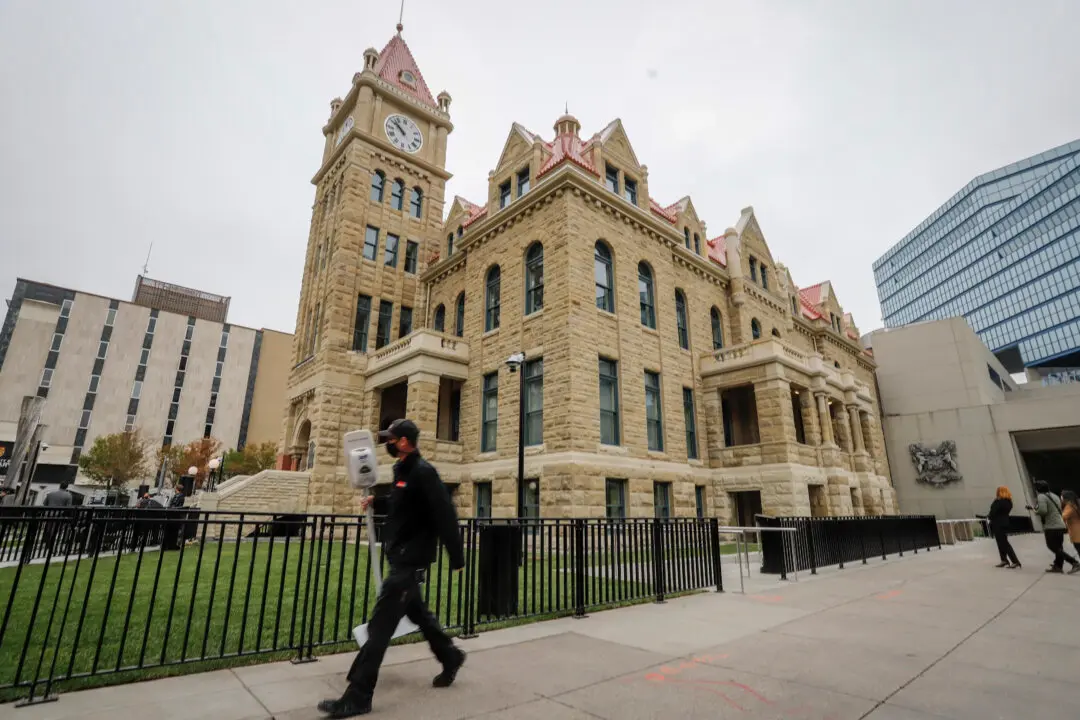
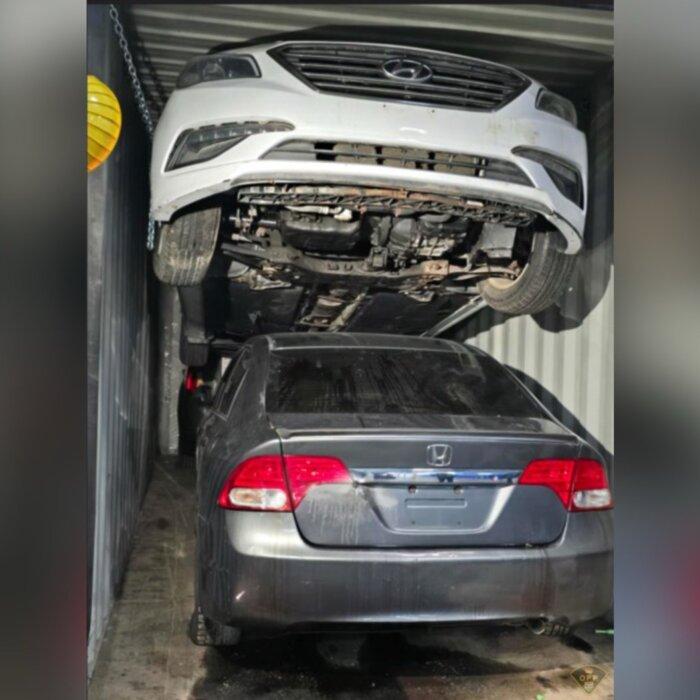
Auto thefts across Canada fell 18 per cent year over year in 2025, but nearly 47,000 vehicles were still stolen, and about 40 percent have not been recovered, according to a new report.
The number of vehicle thefts may have dropped, but the financial costs remain high, with insurance claims estimated to be $900 million last year, Équité said.
The Équité report said the strategy is working to reduce car theft, but has prompted organized crime to turn to more “sophisticated methods.”
Équité national vice-president of intelligence and investigations Bryan Gast said organized crime has made the shift to auto finance crime in response to efforts by government, law enforcement, and industry to bring down auto theft rates.
“We are seeing a significant rise in vehicle finance fraud where criminals use identity theft and synthetic IDs to steal vehicles,” he said.
Provincial Data
The report examined regional trends in auto theft, noting that Quebec saw the largest decline at 25 per cent. However, only 48 per cent of stolen vehicles were recovered, meaning roughly half were never found.Auto theft in Ontario decreased by 22 percent, with the recovery rate at 51 percent. The report noted that the unrecovered vehicles were likely exported overseas or taken apart in “chop shops.”
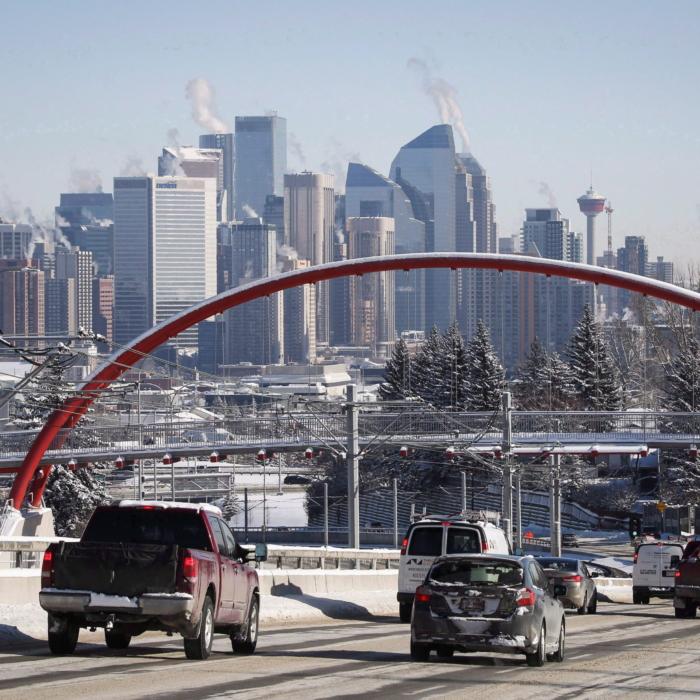
Vehicle thefts in Western Canada declined by 11 per cent, the report found, while noting that Alberta continues to serve as a “feeder province” for the registration of stolen vehicles and those with altered VINs.
Atlantic Canada saw a 2 percent decrease in auto theft, while cases of vehicle finance fraud surged by more than 89 percent at the Port of Halifax.
The report notes that overall, stolen vehicle recovery rates have increased from 58 percent in 2024 to 59 percent in 2025.
A House of Commons committee on public safety recently analyzed Ottawa’s strategy for reducing vehicle theft and offered more than two dozen recommendations.
Public Safety Minister Gary Anandasangaree responded to the report saying the federal government agreed with 22 of the recommendations, including stronger measures against money laundering and terrorist financing, and more intelligence-sharing with law enforcement.
Anandasangaree said that the government agreed to nine other recommendations in principle, was asking for a further study into 10 of the report recommendations, and disagreed with three.
One of the recommendations Ottawa disagrees with was amendments to the Customs Act that would alter how containers can be searched, and would require exporters to show shipping documents at least 72 hours before the container leaves.
Équité president and CEO, Terri O’Brien, said the organization was advocating for changes to Transport Canada’s Motor Vehicle Safety Regulations to “modernize anti-theft requirements” and make vehicles harder to steal.