The amount of time the vast majority of youth are spending on the internet far exceeds the daily recommended “screen time,” according to a new federal report.
The PHAC report provided findings from the 2022 Health Behaviour in School-Aged Children (HBSC) study, which indicated that 42 percent of boys and 54 percent of girls in grades 6 to 8 reported having online contact with close friend(s) “almost all the time throughout the day.” Meanwhile, 57 percent of boys and 73 percent of girls in grades 9 and 10 reported the same.
Comparatively, around 52 percent of youth said they participate in team sports, around 20 percent said they are involved in church or other religious groups, and around 8 percent said they take part in community groups such as Scouts, Girl Guides, or cadets.
“Throughout the COVID-19 pandemic, youth were spending increased amounts of time on digital media including social media, video games, TV, and virtual learning,” the PHAC report says. “Higher levels of usage have been associated with higher levels of depression, anxiety, inattention, irritability, and hyperactivity.”
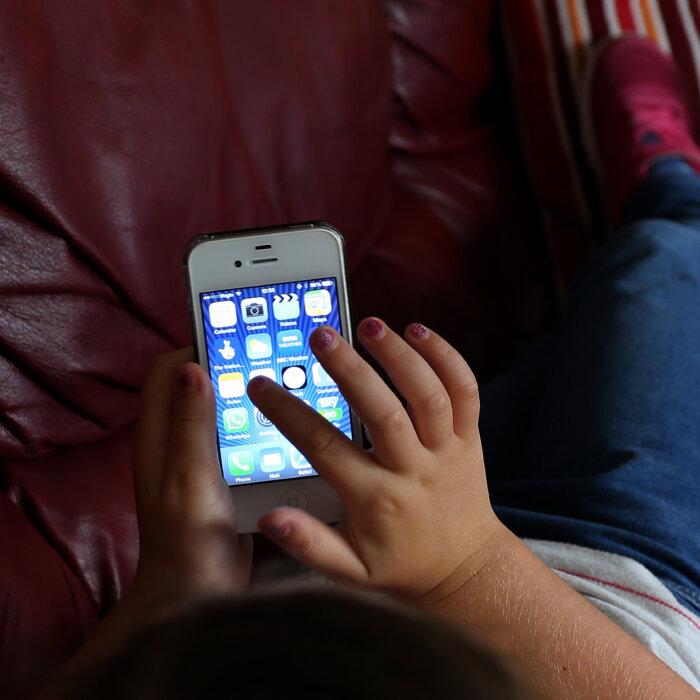

During the COVID-19 pandemic, “facility closures, social distancing policies, and quarantine measures all invoked a loss of social connections,” the PHAC report says
“For many young people the majority of hours spent at home resulted in decreased physical activity and increased screen time,” the report says, adding that the pandemic also influenced the school environment for youth as online learning and virtual classrooms were implemented.
Pandemic Impacts
In a 2021 report, the public health agency said that lockdowns “significantly altered Canadian families’ daily life,” as disruptions in activities, school, and employment have had a wide range of impacts.“About 9 in 10 parents reported their children engaged in screen time on a daily basis,” the report said.
It also indicated that the majority of parents said they were “very” or “extremely” concerned about their children’s amount of screen time. The percentage is higher (73.2 percent) among parents with children who have cognitive, behavioural, or emotional disabilities compared to parents with children who have no disabilities (61.7 percent).
Moreover, half of parents with children who have cognitive, behavioural, or emotional disabilities said their children engaged in physical activity daily, while half reported that they were “very” or “extremely” concerned about the amount of physical activity their children participated in.
Unplugged
More than 3,730 parents in Canada have signed a pledge to commit to delaying smartphone access for their children until the age of 14 in an effort to protect their children’s mental health from the cognitive, social, and emotional risks associated with excessive screen time. Additionally, 674 schools have signed the pledge as of Aug. 24.The campaign aims to push for a change in legislation and calls on the government to “expand public education awareness on the impacts of smartphones, social media, and digital addiction in schools and communities.”