
Vancouver and Toronto topped the list for least affordable rents across Canada, according to a new report.
Lee and Macdonald said in Toronto, renters would need to earn $44.80 per hour to be able to afford a two-bedroom, and $37.66 an hour for a one-bedroom. The authors noted that an individual earning minimum wage would need to work 135 hours a month to pay for a two bedroom rental.
The report found that in Vancouver an individual would need to earn $48.94 per hour at 40 hours a week to afford a two-bedroom apartment, and $37.84 an hour for a one-bedroom. At minimum wage, renters would need to work 146 hours per month to pay for a two-bedroom.
The authors said the wages needed to afford a one-bedroom rental amounted to $78,333 and $78,699 per year for Toronto and Vancouver respectively, adding that those making less “would need to work an extra job, spend a larger share of their income on housing, or get a roommate.”
“Even with Canada’s highest minimum wage, BC remains the most unaffordable for someone earning minimum wage, requiring three weeks of full-time work just to make rent,” Lee and Macdonald wrote.
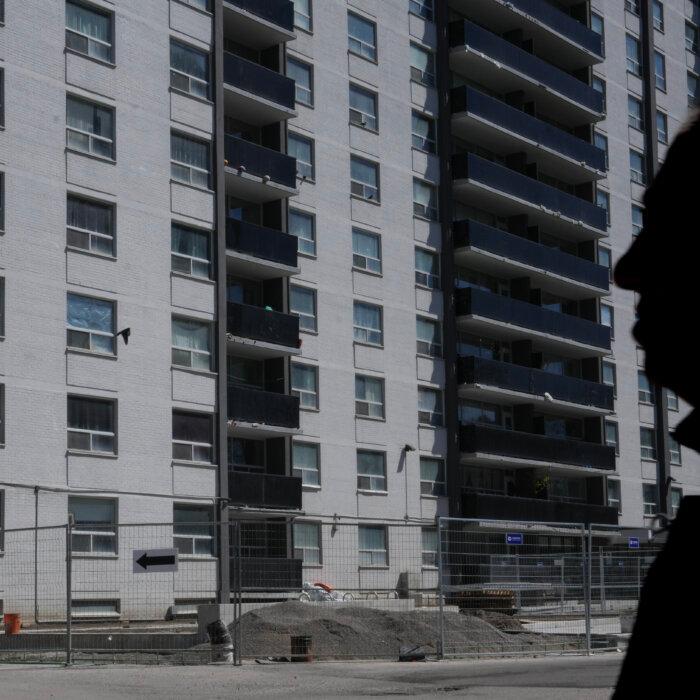
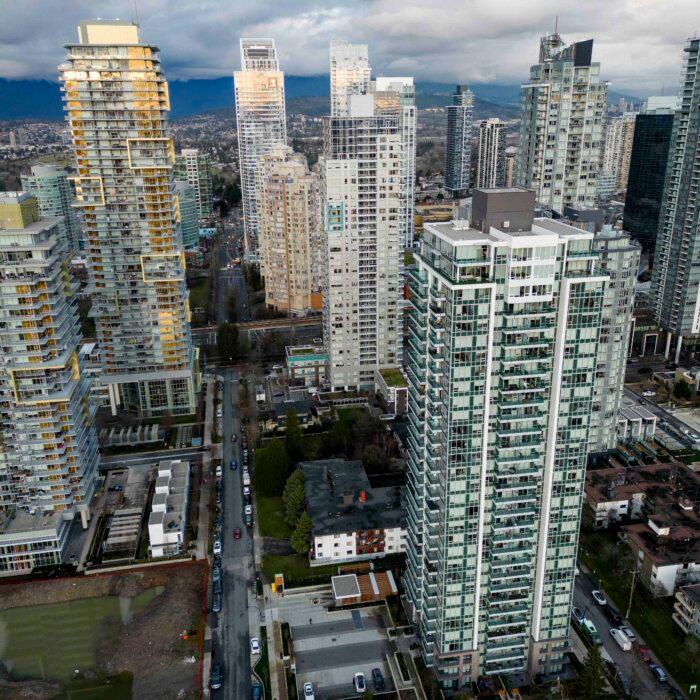
Behind Vancouver and Toronto, other cities that topped the list for expensive rents compared to wages were Victoria, Kelowna, Ottawa, and Calgary.
The authors said that for those earning minimum wage, it was “virtually impossible” to afford housing on their own.
“In Vancouver, Toronto and Calgary, the rental wage for one-bedrooms is more than double the minimum wage. While this is most acute in the biggest cities, the gap between minimum wage and rental wage is a Canada-wide challenge,” they wrote.
The report looked at 62 cities, noting just eight of those were affordable for someone working at minimum wage. Those included St. John’s, Saint John, Montreal, Charlottetown, Quebec, Sherbrooke, Trois Rivieres, and Saguenay.
About one-third of Canadians rent, according to the report.
The authors suggested that minimum wage policies could differ for cities within a province so that wages could be higher in cities and “better linked to the cost of housing.”
“Federal and provincial governments need to keep housing affordability on the front burner, even as trade and security take up more policy space,” the authors concluded, saying that too many renters “spend more than a reasonable share of their income on rent,” which compromises their ability to cover other necessities such as food and transportation.