While concern is growing in the United States about the privacy implications of the more than 100,000 Flock security cameras there, similar licence plate-reading technology has also been installed in towns and cities across Canada.
The rise of Flock cameras across the United States has led civil liberties groups to raise alarms about surveillance and potential violations of Americans’ constitutional rights. There have also been increasing incidents of people disabling or destroying the cameras.
Flock Safety, a private technology company that makes AI-powered automatic licence plate readers (ALPRs), told The Epoch Times that it currently has no “partnerships” with Canadian municipalities, law enforcement agencies, or airports for the technology.
However, several cities and law enforcement agencies across Canada use ALPRs made by other companies. While the technology has been around for decades, a number of police departments and municipalities have recently installed new cameras or expanded their use.
ALPR cameras photograph passing vehicles and collect data that can be stored in a searchable database, including a vehicle’s licence plate, model, and identifying marks, as well as the time and location it was photographed.
John Carpay, president of the Justice Centre for Constitutional Freedoms, is among those concerned about the privacy implications of such technologies. He said Flock cameras and other ALPRs could raise concerns under Section 8 of the Canadian Charter of Rights and Freedoms, which protects against unreasonable search and seizure. He said the growing use of ALPRs could facilitate a “surveillance state” by expanding the ability of authorities to track, monitor, and collect information about individuals.
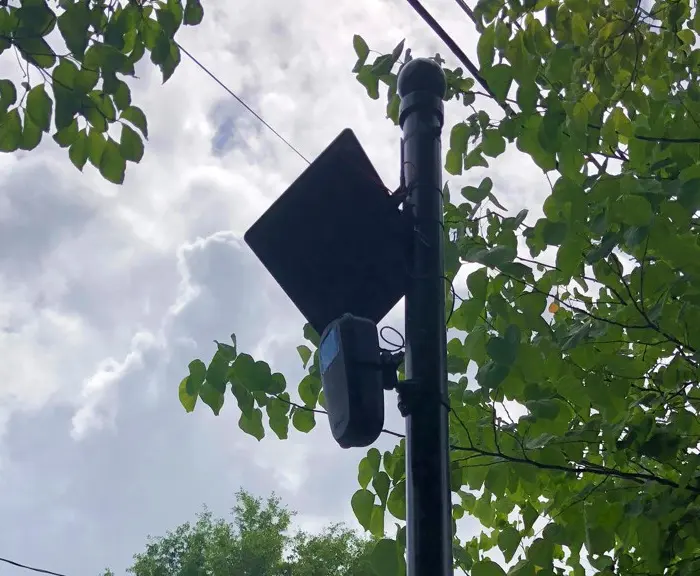
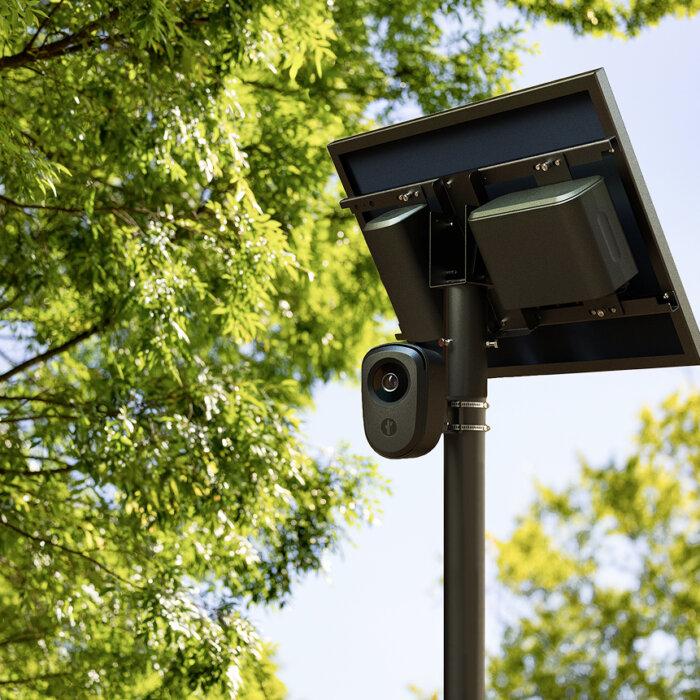
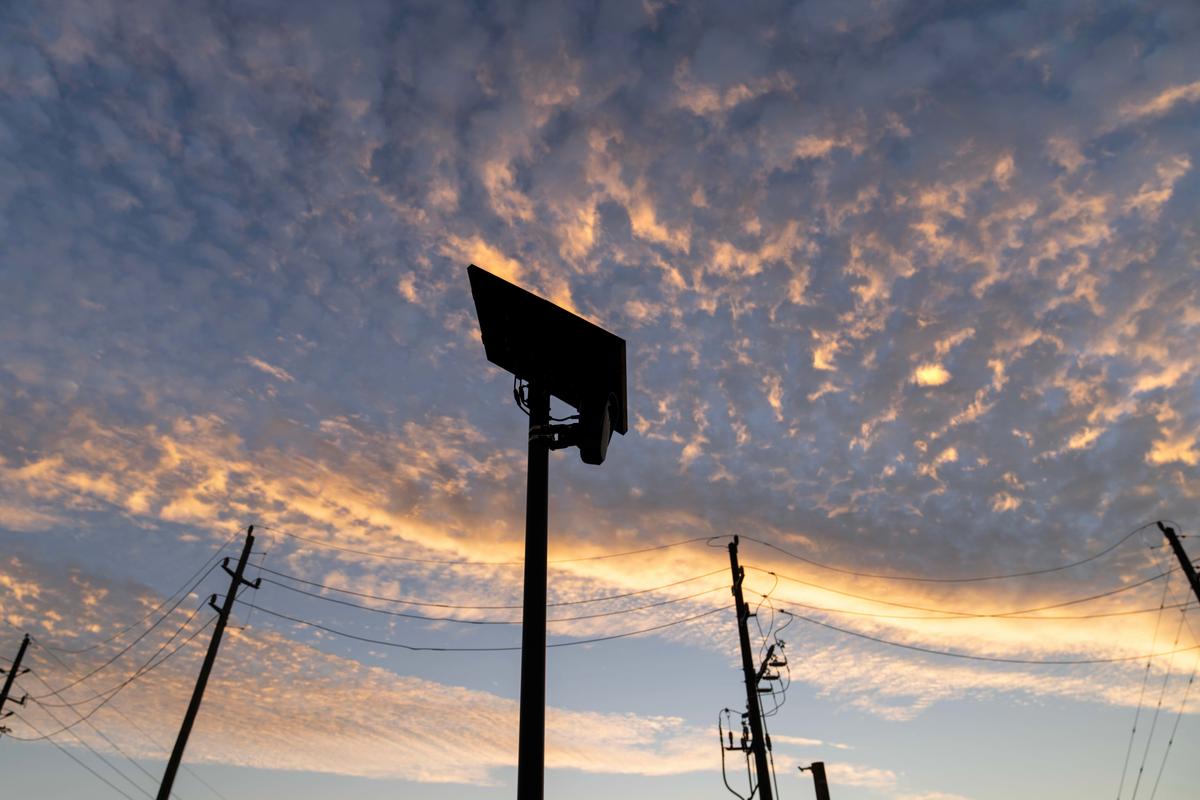
University of Winnipeg criminal justice professor Kevin Walby said newer ALPR systems have capabilities that go beyond cameras traditionally used for limited purposes such as toll collection. He said systems that can collect, search, and potentially share vehicle information can give law enforcement “incredible power over what they know about you and who they can share that information with.”
Police departments, meanwhile, say ALPR cameras can help identify stolen vehicles and investigate violent crimes. Police forces contacted by The Epoch Times emphasized that their use of the technology is subject to applicable privacy laws, policies, and safeguards.
ALPRs Expanding Across Canada
The company said it is also introducing measures to detect abnormal use of its system and automatically suspend access when such activity is flagged.
The Epoch Times contacted municipalities, police departments, and airports across Canada and found that some have used ALPR technology for years, while others have recently installed or expanded ALPR systems.
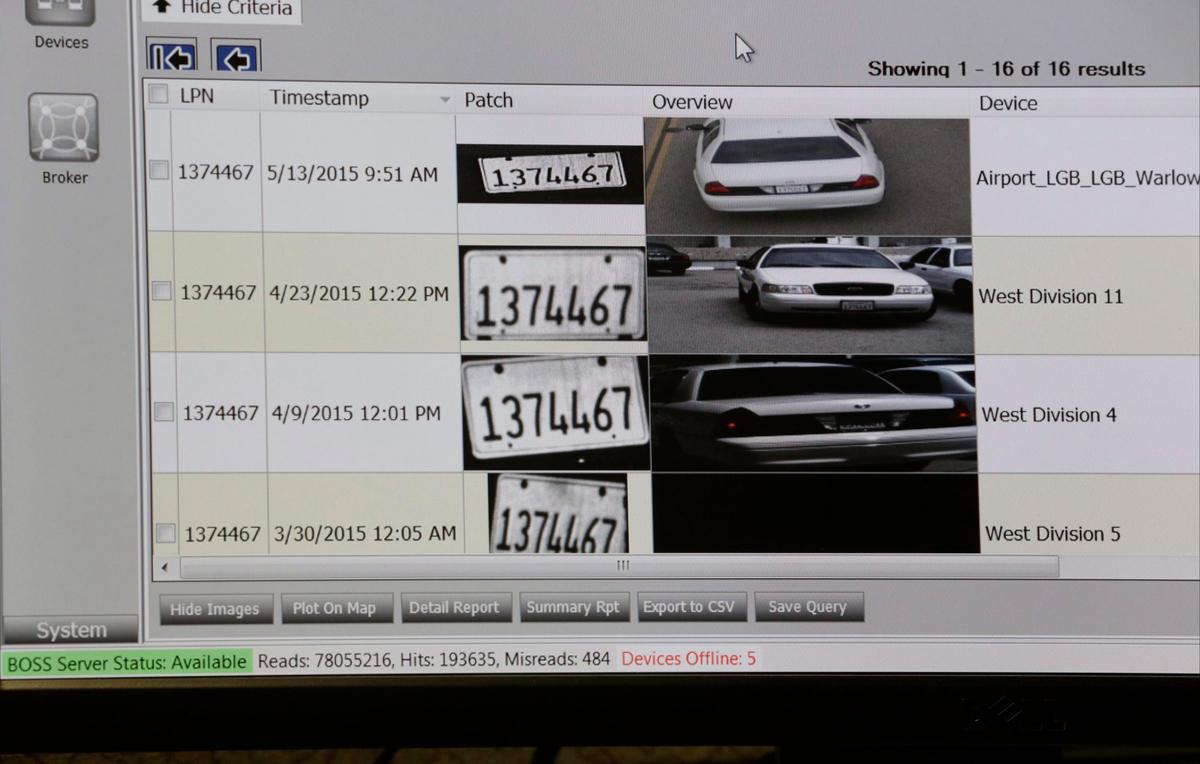
Many police forces in Canada have ALPR technology installed in their vehicles, ranging from a few specialized traffic vehicles to entire patrol fleets. The systems allow police to quickly identify stolen vehicles, vehicles associated with warrants, and suspended drivers.
Toronto police use an Axon Fusus ALPR system that can identify vehicles by licence plates, models, colours, and other attributes, and record when and where they were detected. Police say the system provides real-time alerts that can help officers arrest wanted suspects, recover stolen vehicles, locate missing people, and investigate serious and violent crimes.
Toronto police say the system does not use facial recognition and that only “limited and specifically trained” officers can search the data.
Some police forces and municipalities have also installed stationary ALPR cameras. Greater Sudbury Police, which has ALPRs in 31 patrol vehicles, told The Epoch Times that it recently installed systems at 16 locations using provincial funding. Police said the cameras are used to identify stolen vehicles, locate vehicles associated with missing-person cases, and investigate crimes including human trafficking and other violent offences.
More recently, police in York Region have expanded their use of the technology. In May, York Regional Police announced an expansion of its CCTV Community Camera program that included additional Axon Fusus ALPRs designed to notify officers when stolen vehicles enter the region.
Axon Fusus didn’t respond to The Epoch Times’ request for comment.
The RCMP told The Epoch Times that it uses ALPR cameras in “several divisions” to assist with traffic and public safety by identifying “high risk drivers.” According to the RCMP, vehicles equipped with ALPRs “indiscriminately” capture licence plates that enter their view, and can read up to 3,000 images an hour.
“If the licence plate from the image matches any plate in the Hotlists, the system operator is notified and appropriate action can be taken,” the RCMP said, adding that it does not utilize Flock cameras and is not in the process of acquiring them.
ALPR technology is also used in Canada for purposes other than policing. The Vancouver Airport Authority told The Epoch Times that its cameras are used to operate “the billing system related to parking and to provide a seamless guest experience for pre-booked parking.” The cameras were installed in 2015, and the authority said it doesn’t plan to install more.
Ontario’s Highway 407 has used ALPRs for nearly three decades, along with radio transponders, to identify and toll vehicles entering and exiting the highway.

Privacy and Charter Concerns
Carpay said the increasing use of ALPR cameras, along with other recent government measures in Canada, amounts to “massive state surveillance and collecting data on everybody, not just criminal suspects.”
“In the name of fighting crime, they expand the surveillance state so the government can track, monitor and gather information about every single person. That’s extremely dangerous, unless you have a naive view of the government as always good, always wise, always noble, always self-restrained,” he said.
Carpay rejected the oft-cited argument that Canadians who have nothing to hide should not be concerned about ALPR cameras, saying that “power corrupts, and absolute power corrupts absolutely.” While he acknowledged that mass surveillance could give police better tools to fight crime, he said police should have “reasonable and probable grounds” to believe someone has committed an offence before obtaining a warrant to conduct surveillance.
Walby said the “privacy conundrum” surrounding ALPRs is different in Canada than in the United States because Canada has federal and provincial privacy laws and privacy commissioners that provide oversight.
“You’ve got a technology developed in a jurisdiction where it’s basically a wild west for privacy, and the expectation is if you are aggrieved in some way, you'll have to litigate it. Whereas in Canada, the expectation is the opposite,” he said.
Walby said Canada’s existing privacy framework could provide a check on how far ALPR surveillance expands, particularly as the technology becomes more sophisticated.
He also acknowledged that AI-powered policing tools can help identify suspects police might not otherwise find, but said such systems can also produce false positives that lead to false accusations.
He said policymakers and police should weigh those risks against the benefits of the technology, particularly when constitutional rights and due process are involved.
Walby said another concern is the potential for “mission creep” if ALPR systems become increasingly connected with AI, police databases, and other camera networks, allowing information collected for one purpose to be used more broadly.
He compared the technological capability of such integrated systems—not the current use of ALPRs in Canada—to surveillance practices in parts of China. In the Xinjiang region, Chinese authorities have used AI-connected cameras and other technology to monitor the Uyghur population and flag individuals based on their movements and behaviour.
Walby said such technology demonstrates how increasingly integrated surveillance systems can be used to track people’s activities and potentially impose consequences based on the information collected.
He stressed that Canada does not currently have such a system and said the country’s privacy institutions could provide significant resistance to that kind of expansion.
“Are we there yet in Canada? No, I don’t know if we will get there because I think there'll be a big pushback of the privacy dimension from our privacy apparatus,” Walby said. “But technological capability is most certainly real.”