U.S. Treasury Secretary Scott Bessent says Washington will not reduce tariffs on Canada after Ottawa reduced tariffs on Chinese electric vehicles (EVs).
In a U.S. Senate banking committee hearing on Feb. 5, Senator John Kennedy asked Bessent if the United States would lower tariffs on Canada to zero if the country also lowered all tariffs on the United States.
“Absolutely not,” Bessent said, adding that the United States cannot allow its northern border to be used “as a way for Chinese EVs to come into the U.S.”
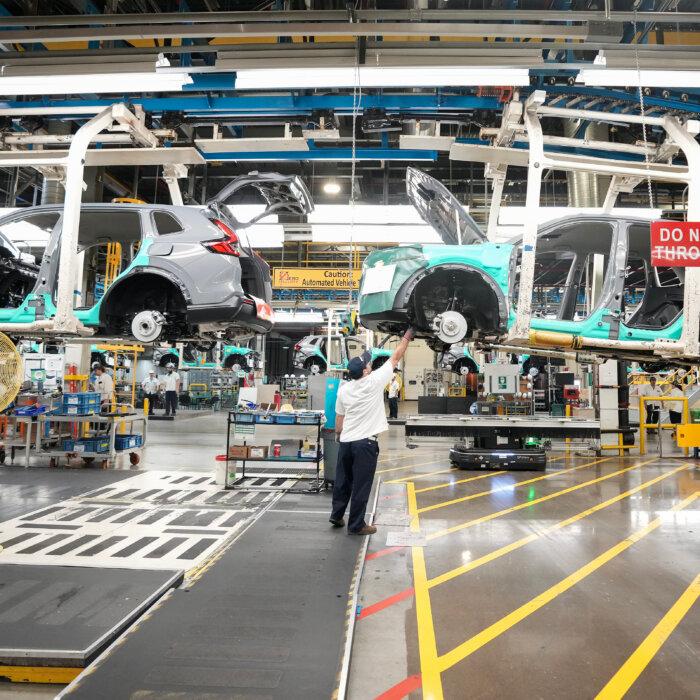
On Jan. 16, the Liberal government announced that Canada would reduce its tariffs on Chinese EVs from 100 percent to the “most-favoured-nation” tariff rate of 6.1 percent on 49,000 EVs per year, following a meeting between Prime Minister Mark Carney and Chinese officials in Beijing.
The Trump administration has taken issue with Canada’s deals with China, with U.S. President Donald Trump saying on Jan. 24 that if Canada “makes a deal with China” it would be subject to 100 percent U.S. tariffs. Carney responded that Canada isn’t pursuing a free-trade deal with Beijing.
Trump’s latest tariff threat against Canada came days after Carney gave a speech at the World Economic Forum (WEF) in Davos on Jan. 20, where he criticized U.S. pressure to acquire Greenland and said middle powers should band together to resist pressure from major powers.
Trump said the next day in his speech at the WEF that Carney “wasn’t so grateful,” and added that Canada “lives because of the United States.” Carney said the next day that Canada “does not live because of the United States. Canada thrives because we are Canadian.”
Trump’s other cabinet members also criticized Canada for the move, with U.S. Transport Secretary Sean Duffy saying Canada “will live to regret the day they let the Chinese Communist Party flood the market with their EVs.”
Carney has said that the new agreements with China are targeted at specific trade issue . While in Beijing in January, he also said that he is pursuing a strategic partnership with China “that builds on the best of our past, reflects the world as it is today, and benefits the people of both our nations.”