The U.S. Treasury Department has relaxed restrictions on doing business with Venezuelan banks and certain individuals in Caracas, after years of sanctions imposed during the socialist regime of former leader Nicolás Maduro, who was ousted in January.
Financial transactions will be permitted with Venezuela’s central bank, which was sanctioned in April 2019, and with the state-owned Banco de Venezuela, Banco del Tesoro, and Banco Digital de los Trabajadores, following the U.S. Treasury’s issuance of a general license on April 14.
For nearly a decade, Venezuela has faced restrictions on conducting financial transactions abroad because of a lack of correspondent banks to facilitate them, a situation that worsened after the first Trump administration imposed sanctions in 2019.

Wire Transfers Permitted
General License 57 will permit “Automated Clearing House (ACH) transfers; wire transfers; debit card, prepaid card, Automated Teller Machine transactions, and any other payments as defined under the Uniform Commercial Code Article 3-602; the issuance and use of payment cards and digital wallets; currency exchange.”It should allow Venezuelans in the United States, including those who fled the Maduro regime, to send money to relatives and friends who are suffering from economic hardship in Venezuela.
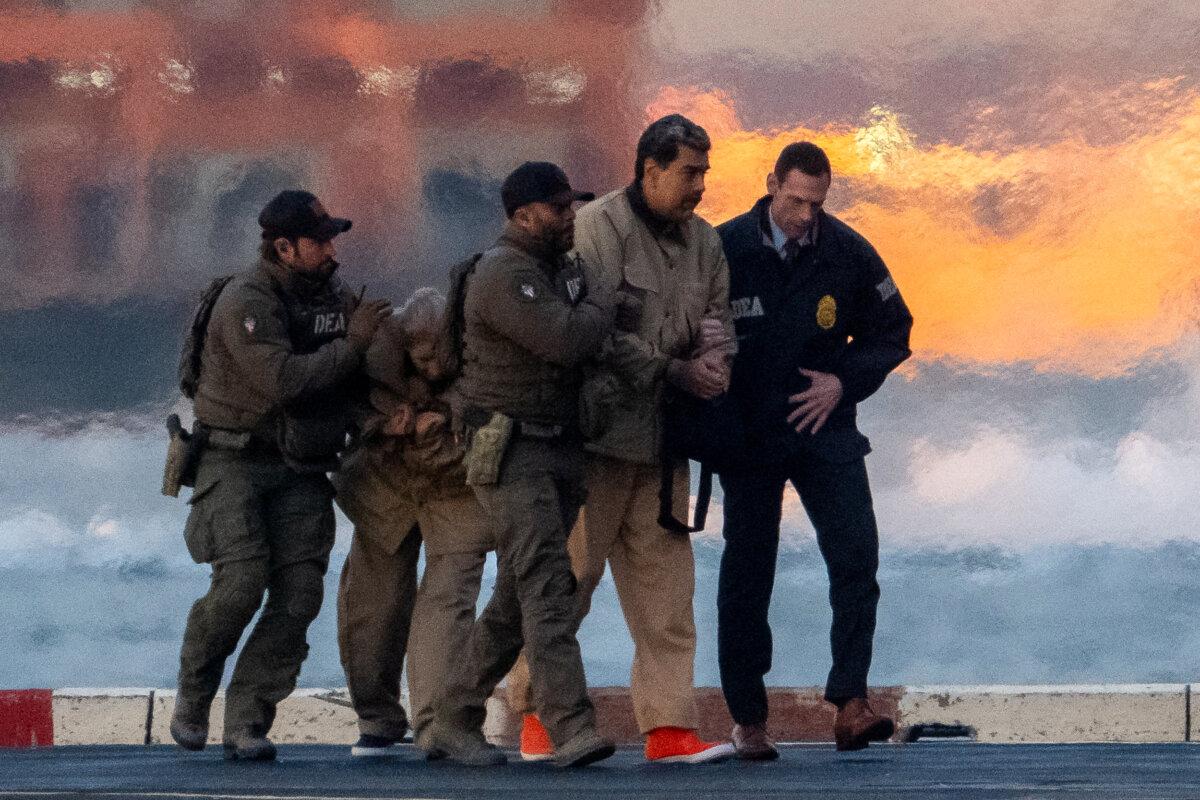
Venezuela has high levels of poverty despite the country sitting on the largest proven oil reserves in the world.
The U.S. Treasury has also issued a separate license authorizing commercial contract negotiations, but it forbids transactions “involving a person located in the Russian Federation, the Islamic Republic of Iran, the Democratic People’s Republic of Korea, or the Republic of Cuba, or any entity that is owned or controlled by or in a joint venture with such persons.”
The two licenses together will allow U.S. corporations and banks to invest in Venezuela and lend money for commercial projects in the country.
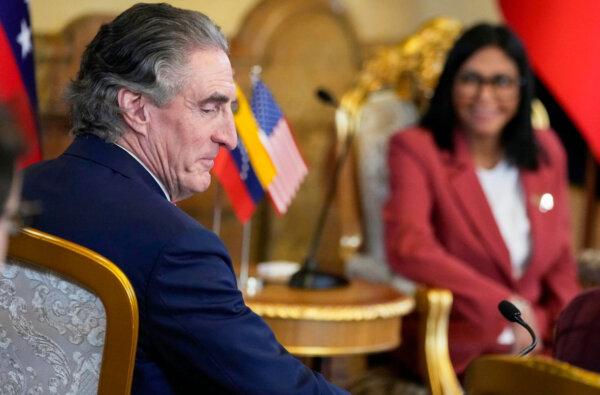
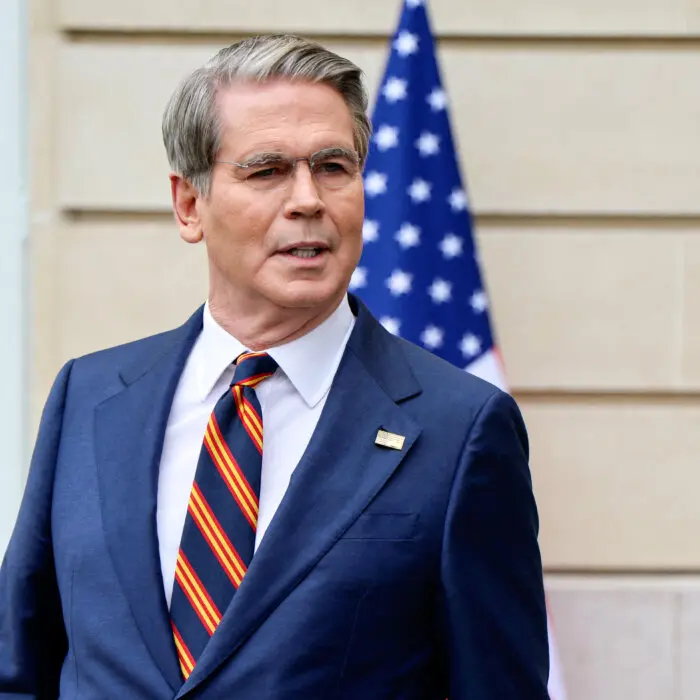
The Treasury said in an April 14 statement that it had also lifted sanctions against Venezuela’s former attorney general, Reinaldo Muñoz.
Muñoz was recently replaced by Arianny Seijo Noguera, who previously served as legal counsel for Petróleos de Venezuela, S.A., known as PDVSA, the state-owned oil company, according to Miami-based Sociedad Media.
“Everyone is feeling that we are getting some freedom,” 21-year-old Jacobo Malkhasian, who lives in the capital city of Caracas, said. “We’re getting some rights ... some possibilities to now have free speech.”
“It’s still the same power structure. It’s still the same people. The only difference is that right now, Donald Trump and Marco Rubio—they’re supervising.”