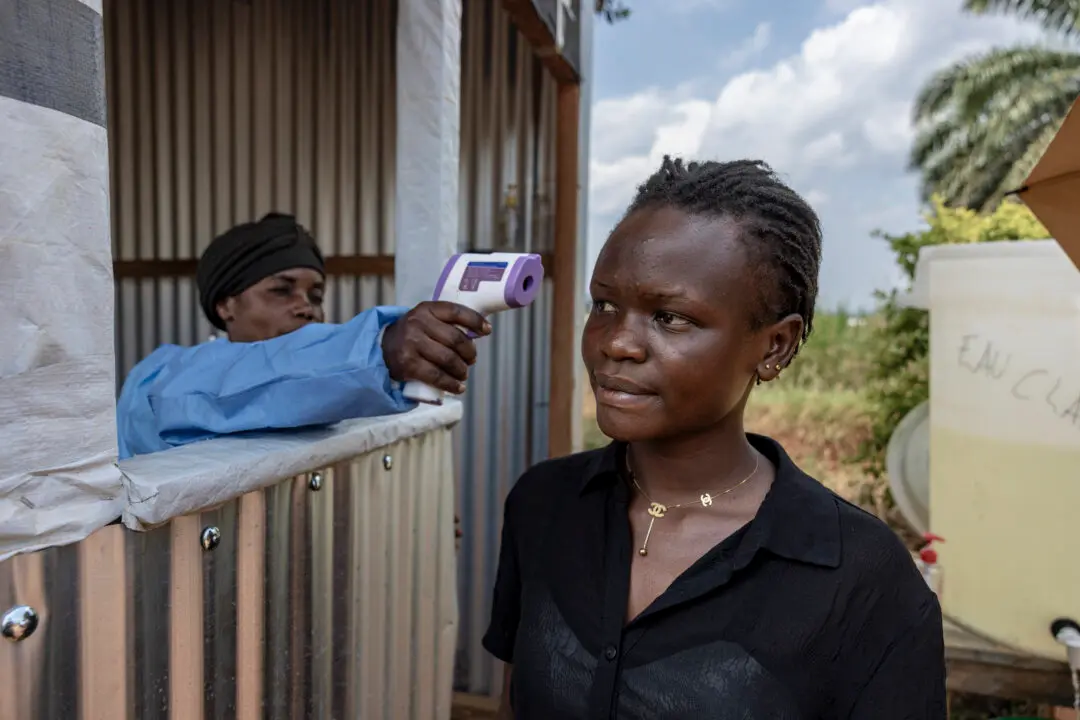
The U.S. State Department is telling Americans not to go to Congo for any reason because of the growing outbreak of Ebola in the central African country.
“Do not travel for any reason to the Democratic Republic of the Congo (DRC) due to Ebola, which is a deadly communicable disease,” the U.S. Embassy in Kinshasa, Congo, stated on July 11.
“If you travel and are exposed to Ebola, your life may be at serious risk. You may have to quarantine outside the United States at your own expense for up to 21 days and costs may be very significant. Your insurance may not cover these costs.”
The State Department had, in June, advised Americans not to go to Congo because of crime, unrest, terrorism, kidnapping risk, and health concerns. The new alert underlines the risk of Ebola, a disease that is deadly in a significant number of cases.
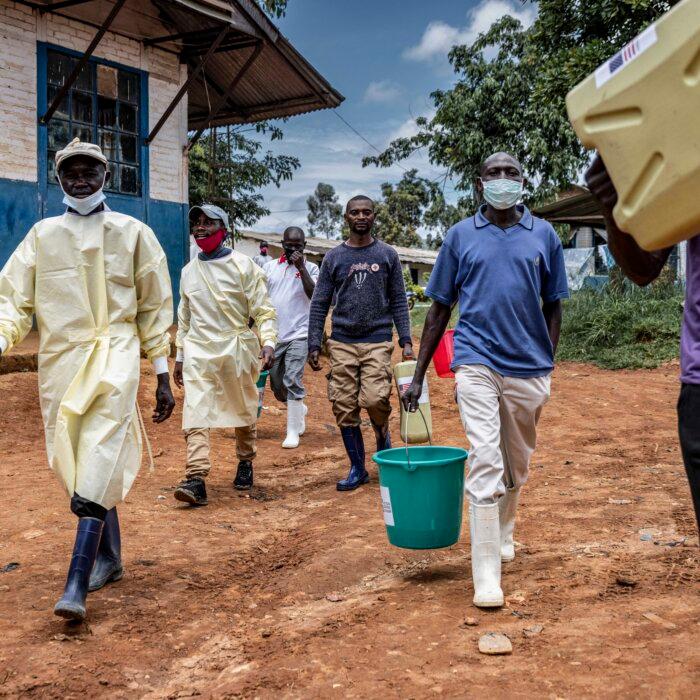
Congo, which has a population of about 124 million, has been struggling with an outbreak of Ebola for months. Cases have been confirmed in Uganda, one of Congo’s neighbors, and Americans have been told to avoid Uganda.
Congolese authorities said on July 12 that the total number of confirmed cases has reached 1,926. That includes 702 patients who have died, 318 who have recovered, and 753 who are currently in isolation or being cared for in hospitals.
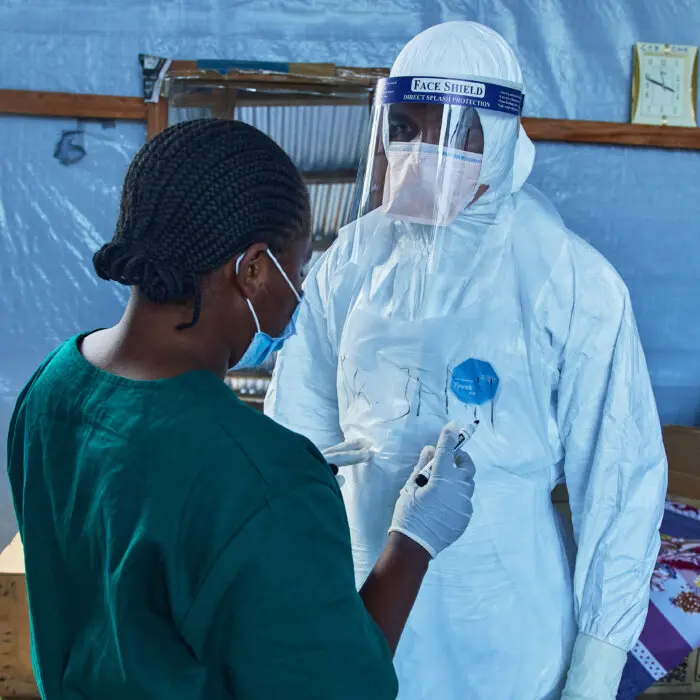
“We are contact tracing to determine if any further action needs to be taken to test or treat others. We have been working with the Centers for Disease Control and Prevention (CDC), the U.S. State Department, and the government of the DRC,” Graham said.
“The State Department was also instrumental in transporting our staff member to Germany, and we are deeply grateful for all of their efforts to ensure he receives the care he needs.”
An American doctor who tested positive for Ebola earlier in the outbreak was taken to Germany for isolation and treatment.
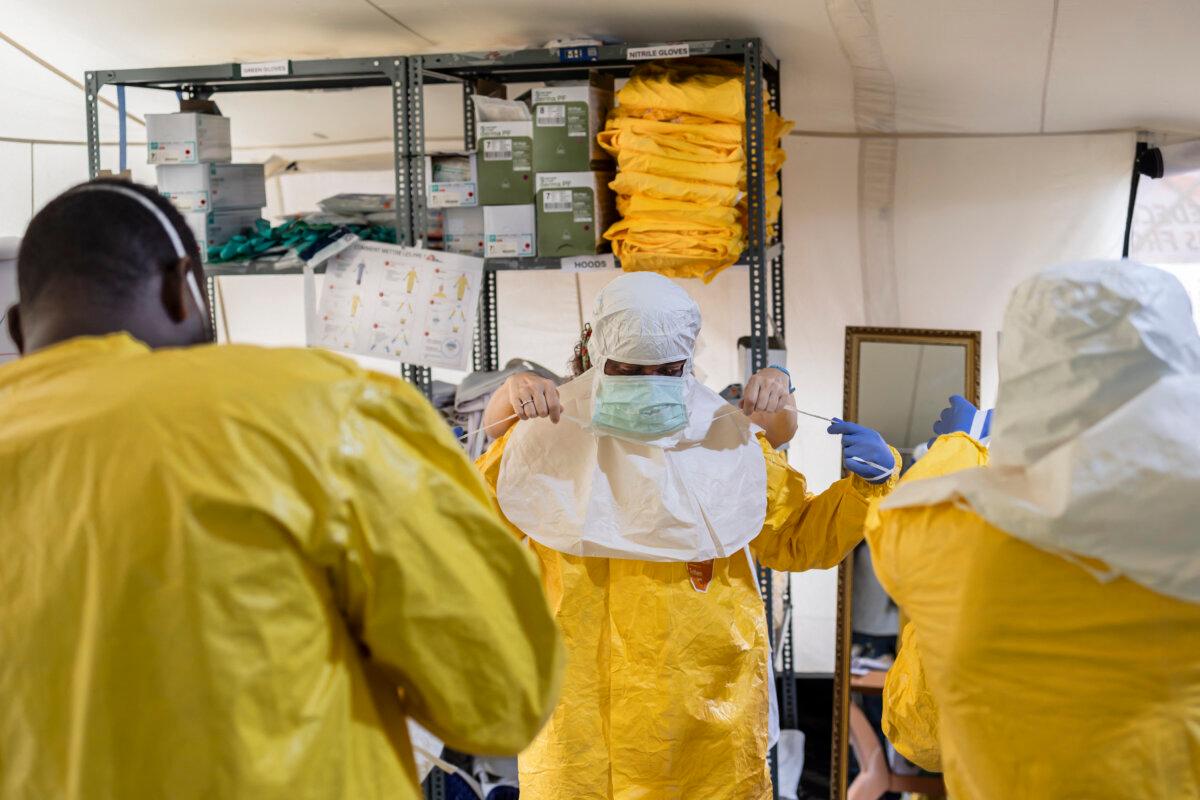
“The Trump Administration has no higher priority than the safety and security of Americans,” a State Department spokesperson told The Epoch Times via email.
“We are aware of this case and are actively facilitating support for the American citizen affected. Decisions on care will be made case-by-case based on what is the best clinical decision for a given patient at that time—in consultation with the Bureau of Medical Services, CDC, and the patient—to account for numerous factors. Due to privacy and other considerations, we have no further comment at this time.”
The CDC stated on its website that the likelihood of Ebola spreading to the United States is “very low.”