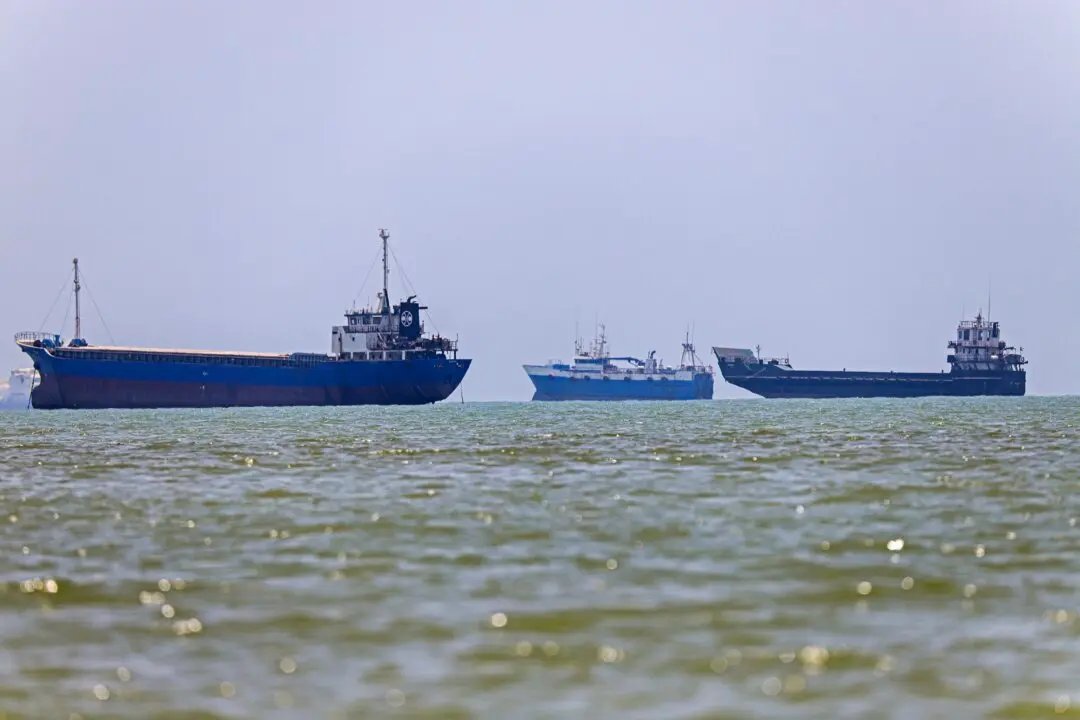
The United States revoked its authorization for Iran to sell oil after multiple tankers were attacked in the Strait of Hormuz on Tuesday, according to a U.S. official.
The official told The Epoch Times on Tuesday that the U.S. Treasury Department’s Office of Foreign Assets Control, the financial enforcement and sanctions arm of the agency, is revoking a license that allowed Tehran to produce, sell, and deliver oil under a memorandum of understanding that was signed by Iran and the United States in mid-June to end hostilities.
“The Office of Foreign Assets Control is revoking GL X, which authorized the sale of Iranian oil,” the official added. “As President Trump and the administration have repeatedly affirmed, the memorandum in effect with Iran is entirely performance-based.”
The official said that Tehran will only benefit from the memorandum if it exercises “good behavior,” adding that recent attacks in the strait have to be met with a U.S. response.
Negotiations between Washington and Tehran are still ongoing, the official added. Iran has not publicly responded to the U.S. decision to suspend the authorization through state-run media outlets or social media.
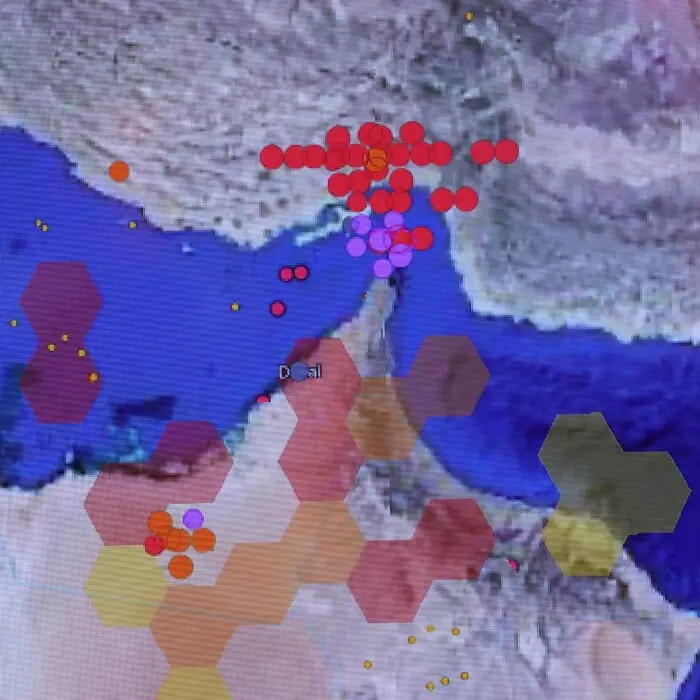
Crude oil futures rose after the Treasury Department’s decision, with West Texas International crude increasing more than 3.5 percent and Brent crude increasing around 3.9 percent, respectively, on Tuesday afternoon. The resumption of oil tankers being able to pass through the strait had pushed oil prices down to levels seen before the conflict erupted in late February.
The license issued by the U.S. Treasury in late June had authorized the production, delivery, and sale of Iranian oil through Aug. 21, while it did not authorize the sale of oil to China, North Korea, or several regions in Ukraine.
Oil exports are a critical source of revenue for Iran, which is one of the top producers in the world, as the country has been under U.S. sanctions for decades. The Iranian regime has repeatedly said that tankers can only use Tehran’s approved route in the strait.
Negotiations between the United States and Iran appeared to remain on hold after the burial of Iranian leader, Ali Khamenei, who was killed at the start of the war. Mourners who went to the funeral in Tehran called for the destruction of the United States, echoing a common call by the Islamic regime since it took power in 1979.
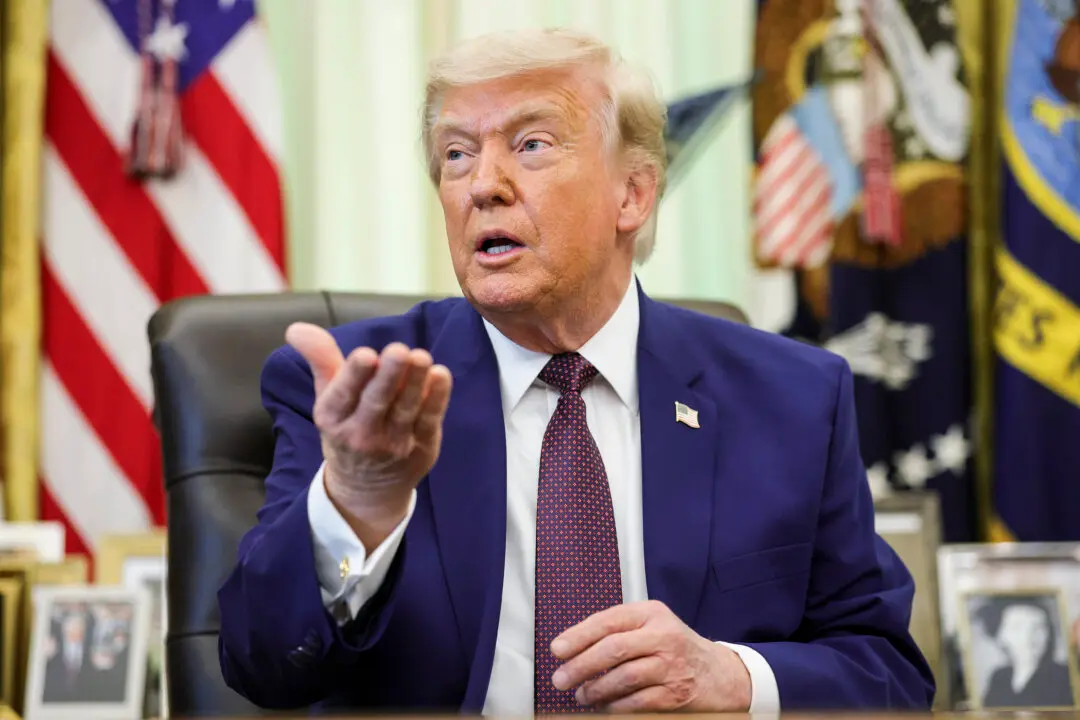
While speaking at the White House on Monday, Trump warned the regime that it needs to “make a deal, or we’re going to finish the job.”
“I’d rather make a deal, because I don’t want to affect 91 million people,” the U.S. president said. “We can knock down their bridges in one hour. We can knock out their energy supply.”
The U.S. military, he added, “can knock out their electricity and power-generating plants in, I would say, a small part of an afternoon. Every plant will be gone, and they know that.”