Nigeria said the United States is ready to help it combat what U.S. President Donald Trump has said are large-scale killings of Christians in the West African nation by Islamist militants.
Washington is also willing to increase humanitarian aid for affected communities in Nigeria’s Middle Belt region and provide technical support to strengthen early-warning systems, according to the statement.
In return, Nigeria “reaffirmed the government’s commitment to strengthening civilian-protection measures,” Tinubu’s office stated, noting that the two governments agreed to establish a joint working group to ensure a “unified and coordinated approach.”
The announcement follows meetings last week between a Nigerian delegation and senior U.S. officials, including members of Congress, the National Security Council, the White House Faith Office, and officials from the State Department and Defense Department.
Earlier this month, Trump threatened military intervention over what he described as the Nigerian government’s failure to stop the persecution of Christians by Islamist insurgents.
Jonathan Pratt, a senior official at the State Department’s Bureau of African Affairs, testified before the House Foreign Affairs Committee on Nov. 20 that the Trump administration may escalate its pressure by diplomatic and economic means, including sanctions.
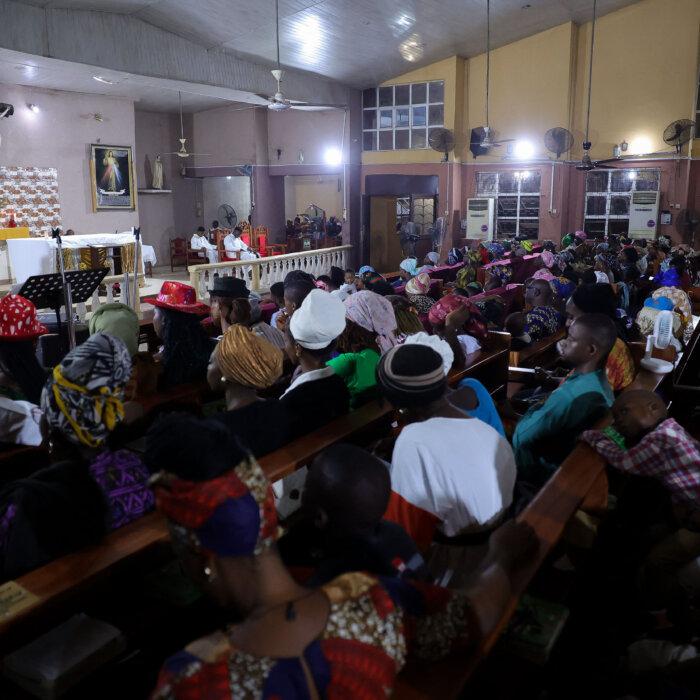
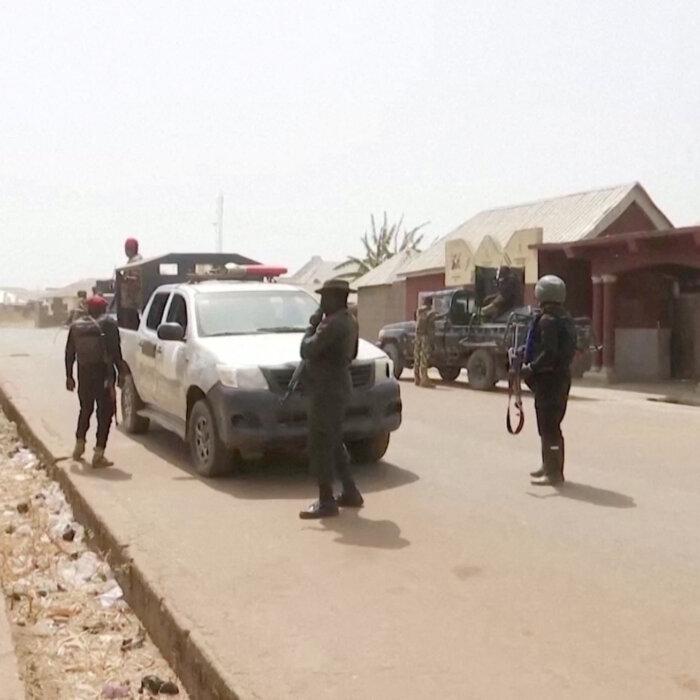
Nigeria, Africa’s most populous country, is nearly evenly split between Muslims and Christians. The country’s Middle Belt, a longitudinal region without a single dominant ethnic group, has been especially affected by violence driven by religious, ethnic, and economic tensions, including deadly clashes between predominantly Fulani Muslim herders and predominantly Christian farmers of various ethnicities.
Tinubu, a Muslim married to a Christian pastor, has said he is committed to protecting all faiths in Nigeria. His office dismissed allegations of genocide or religious intolerance as inconsistent with the reality that both Christians and Muslims have been victims of the violence.
The attacks “affect families and communities across religious and ethnic lines,” his office said.