A senior Pentagon official said on Aug. 10 that the United States is increasing its military commitment to Asia and strengthening its posture of “deterrence by denial” along a chain of islands that includes Japan, Taiwan, and the Philippines in a bid to maintain a favorable balance of power in the region.
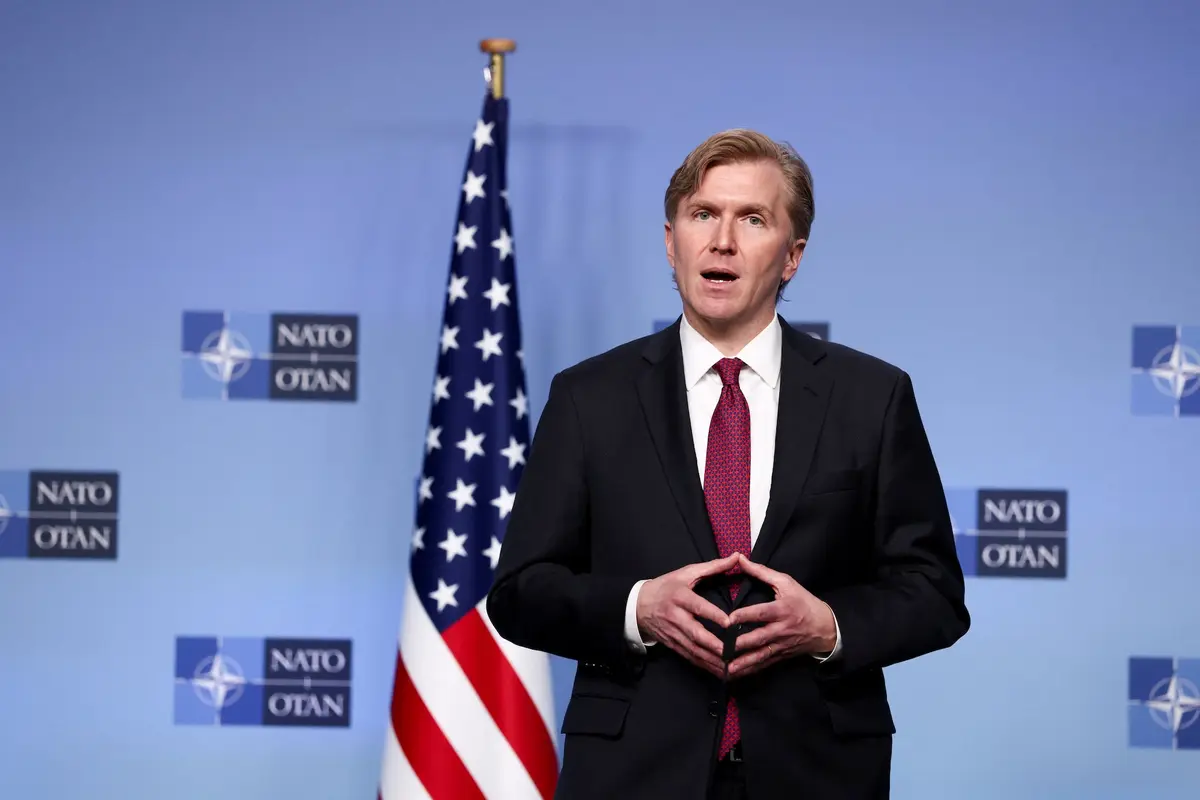
Elbridge Colby, undersecretary of war for policy, made the remarks in an Aug. 10 speech in Manila, where he sought to dispel concerns that President Donald Trump’s broader effort to reduce U.S. military burdens overseas would translate into a retreat from Asia.
“America is definitely not disengaging from Asia,” Colby said. “We are not leaving; in fact, we are digging in to ensure a favorable balance of power where it matters most.”
Colby said U.S. interests are “more engaged than ever in the Indo-Pacific” and described a “strong and growing U.S. investment in the region,” both militarily and economically.
Maintaining the regional balance of power, he said, requires a posture of “deterrence by denial along the First Island Chain”—the arc stretching from Japan through Taiwan and the Philippines toward Borneo.
Deterrence by denial is an approach that aims to position enough military capability in a given region to make an enemy attack difficult to carry out successfully, rather than relying on the threat of retaliation to discourage aggression.
‘Partners, Not Protectorates’
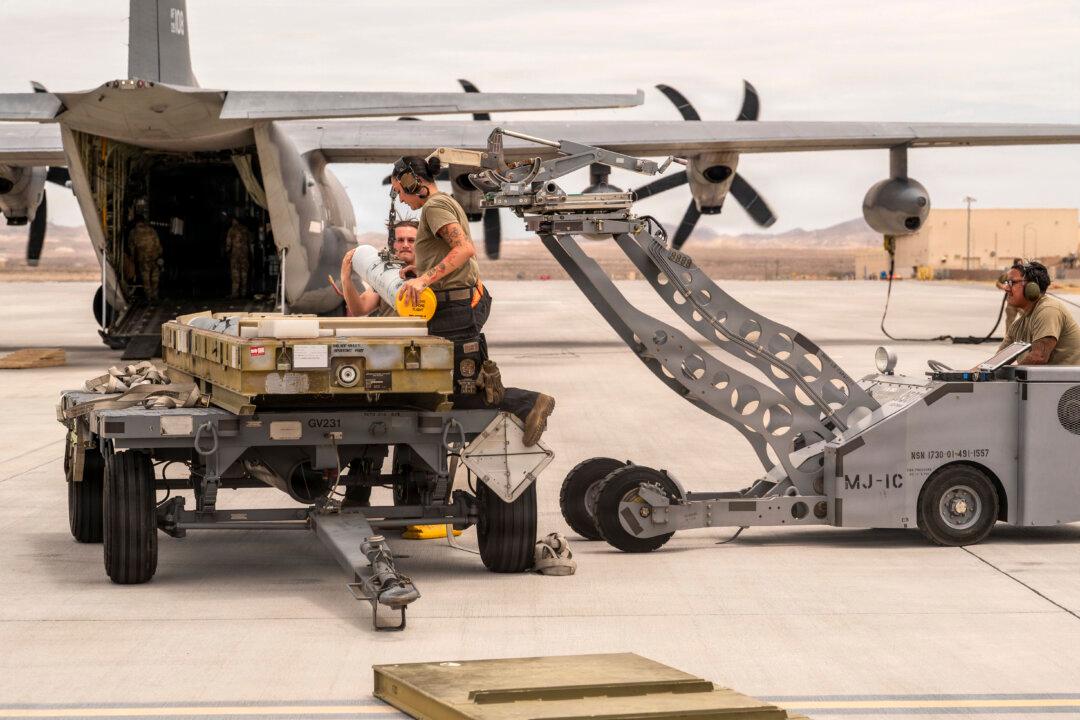
Colby said the Pentagon is expanding its forward posture, accelerating delivery of combat capabilities to the region, building the physical infrastructure needed to sustain a denial defense, and hardening its military footprint.
“We are actively building a strong denial defense to back up a peace-through-strength approach of a lastingly favorable balance of power in Asia,” Colby said, adding that the approach includes prepositioning military assets in the Western Pacific, along with deeper interoperability with regional allies.
The strategy says Washington should press allies and partners along the island chain to provide greater access to ports and other facilities, increase defense spending, and invest in capabilities specifically designed to deter aggression.
“This will interlink maritime security issues along the First Island Chain while reinforcing U.S. and allies’ capacity to deny any attempt to seize Taiwan or achieve a balance of forces so unfavorable to us as to make defending that island impossible,” the strategy states.
The document identifies China as the United States’ chief long-term competitor while arguing that U.S. economic, technological, and industrial strength will form the foundation of long-term deterrence.
Colby did not mention China by name in his Manila speech, although his references to preventing regional hegemony and establishing a denial defense closely echoed language used by Secretary of War Pete Hegseth in Singapore in May.
“When we look across the region today, there is rightful alarm regarding China’s historic military buildup and the expansion of its military activities in the region and beyond,” Hegseth said at the Shangri-La Dialogue on May 30.
Hegseth said Washington would respond not through “needless confrontation,” but through “measured and deliberate strength.”
“We will build and sustain a strong denial defense in the Western Pacific that ensures aggression is infeasible, escalation unattractive, and war deemed irrational,” he said.
Colby said in Manila that the increased U.S. commitment comes with an expectation that Asian allies will assume a larger share of the military burden. Asking countries to boost their defense spending should not be seen as a signal that Washington intends to withdraw, he said.
“When we ask our allies and partners to step up, to invest more in their own defense, and to take responsibility for their own sovereign security, we are not signaling abandonment,” Colby said. “We are looking for partners, not protectorates.”
“When our partners are strong, deterrence is strong,” he said.
Colby’s visit to Manila is part of his first official trip to Southeast Asia as undersecretary for policy. He is also scheduled to visit Indonesia, Thailand, and Cambodia.