The Trump administration expressed optimism on Wednesday about reaching a deal to end the U.S.–Israeli war on Iran and threatened to impose sanctions on buyers of Iranian oil as the U.S. maritime blockade of Iranian ports continues.
U.S. and Iranian officials were weighing a return to Pakistan for further talks after last weekend’s talks ended without a deal.
White House press secretary Karoline Leavitt said at a news conference on Wednesday: “These conversations are productive and ongoing, and that’s where we are right now. I’ve also seen some reporting about the potentiality for in-person discussions. Again, those discussions are being had, but nothing is official until you hear it from us here at the White House, but we feel good about the prospects of a deal.”
Leavitt denied the United States had formally requested an extension of a two-week ceasefire agreed to on April 8.
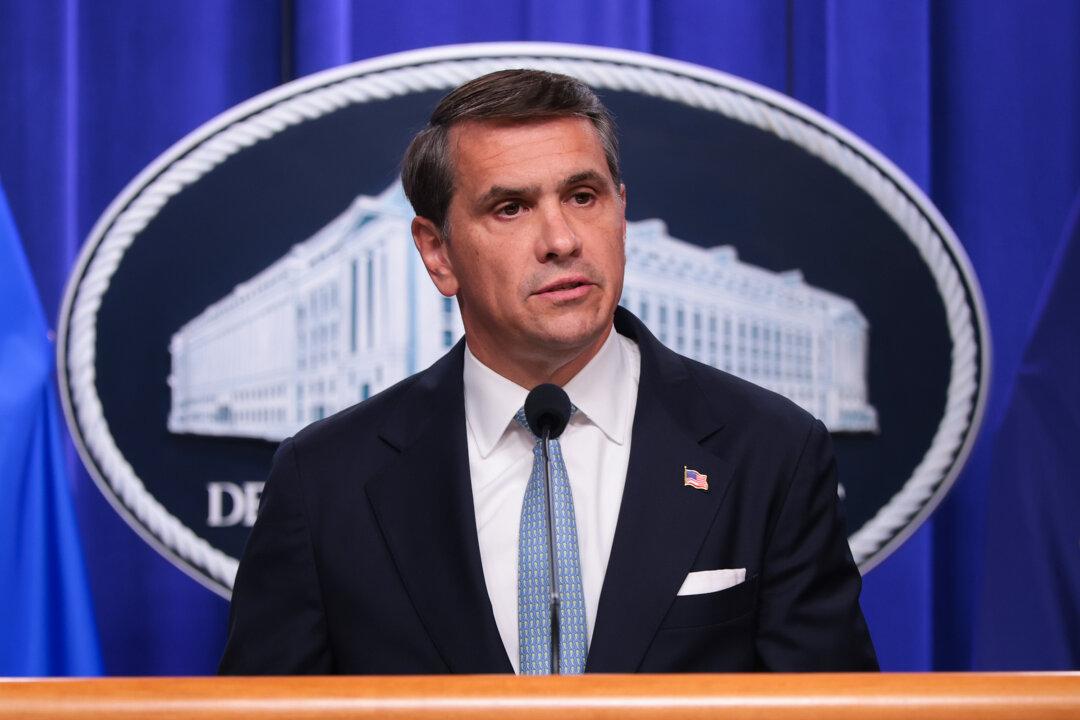
U.S. Treasury Secretary Scott Bessent, speaking alongside Leavitt on Wednesday, said the United States could impose secondary sanctions on countries that purchase Iranian oil.
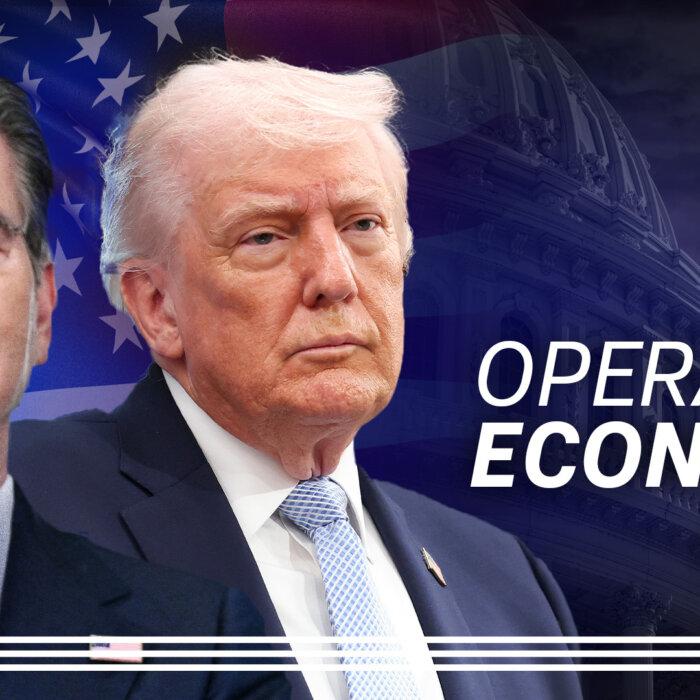
“We have told countries that if you are buying Iranian oil, that if Iranian money is sitting in your banks, we are now willing to apply secondary sanctions,” Bessent said.
“The Iranians should know that this is going to be the financial equivalent of what we saw in the kinetic activities,” Bessent said, referring to the U.S. and Israeli campaign of airstrikes that killed a number of Iranian leaders and damaged the regime’s defensive capacities and navy.
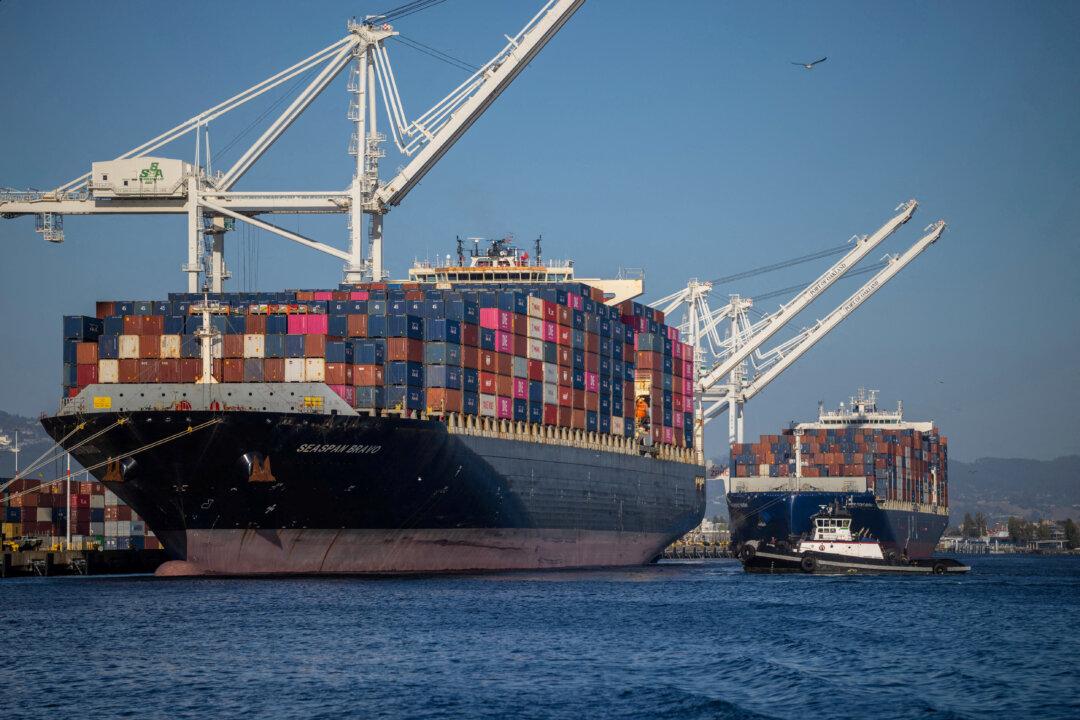
Since the U.S. military began a naval blockade of Iranian ports on Monday, no ships have breached the barrier, and 10 vessels have been turned around, U.S. Central Command said Wednesday.
“Ten vessels have now been turned around and ZERO ships have broken through since the start of the U.S. blockade on Monday.
The warships enforcing the blockade included the USS Abraham Lincoln aircraft carrier, the USS Tripoli amphibious assault ship, and several guided-missile destroyers. CENTCOM declared the restrictions apply to all vessels of all nationalities and cover Iranian ports on both the Arabian Gulf and the Gulf of Oman, as U.S. forces continue to support freedom of navigation for ships traversing the Strait of Hormuz headed for non-Iranian ports.
The blockade went into effect April 13, at 10 a.m. ET after weekend peace negotiations between U.S. and Iranian delegations in Islamabad fell through.
Vice President JD Vance spearheaded the American delegation in more than 21 hours of talks before revealing they did not produce an agreement.
President Donald Trump announced the blockade on social media.
The Islamabad negotiations revolved around Iran’s nuclear ambitions and its persistent support for regional proxy groups such as Hezbollah and Hamas.
Iranian Foreign Ministry spokesman Esmail Baghaei noted the discussion’s conclusion with “gaps between the sides on several major issues.” Iranian parliament Speaker Mohammad Bagher Ghalibaf said Washington “did not succeed in gaining the trust of the Iranian government during the talks.”
The broader conflict broke out on Feb. 28, as the United States and Israel launched airstrikes on Iranian military installations, which ultimately killed Supreme Leader Ali Khamenei. Iran countered with missile and drone attacks on Israel, U.S. military bases, and allied Gulf states, and by limiting access to the Strait of Hormuz, a bottleneck through which about 20 percent of the world’s oil and liquefied natural gas passes.
The Islamic Revolutionary Guard Corps (IRGC) said that any effort by military vessels to transit the Strait of Hormuz would be considered a violation of the two-week ceasefire agreed to on April 8, noting that the IRGC response would be “firm and decisive.” The IRGC said the strait was under its “intelligent control and management” and declared that civilian vessels could pass only under what it called “specific regulations.”
The two-week ceasefire, brokered by Pakistan and set to be in effect through April 22, now appears to be falling apart. The fragile truce had sought the removal of about 20,000 sailors aboard some 2,000 ships trapped in the Persian Gulf.
Trump pledged Monday to “eliminate” any Iranian ships that ignore it.
Although Trump said that other countries would assist in the blockade, key allies distanced themselves from the operation.