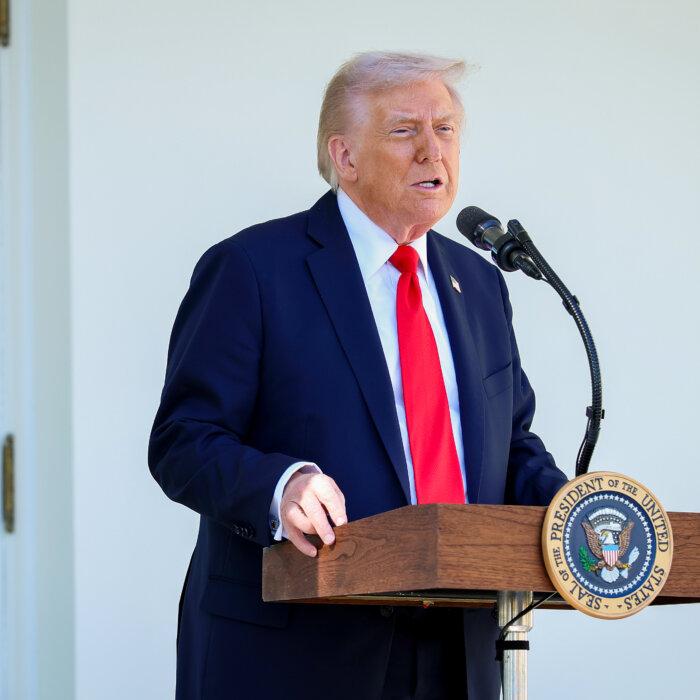
U.S. President Donald Trump said on Oct. 22 that he has, for now, canceled an upcoming summit with Russian President Vladimir Putin due to stalled diplomatic negotiations and limited progress.
“We canceled the meeting with President Putin, it just didn’t feel right to me,” Trump said. “It didn’t feel like we were going to get to the place we have to get. So I canceled it, but we'll do it in the future.”
Trump also suggested that when he does speak to Putin, the negotiations continuously stall.
“I think that, in terms of honesty, the only thing I can say is, every time I speak with Vladimir, I have good conversations, and then they don’t go anywhere. They just don’t go anywhere,” Trump said.
The U.S. president said Putin is fighting a war with “two very competent sides,” but that it’s time to end hostilities with Ukraine.
“You never know with war, but I would say that it’s time, it’s time to make a deal,” Trump said.

“A lot of people are dying. You know, they’re not Americans, but they’re people, they’re souls, and they’re dying by the thousands, worst since World War II, and we really should stop it.”
“Therefore, an additional in-person meeting between the Secretary and Foreign Minister is not necessary, and there are no plans for President Trump to meet with President Putin in the immediate future,” the official said.
Trump had said earlier on Tuesday that he didn’t want a “wasted meeting” with Putin.
“We'll be notifying you over the next two days as to what we’re doing,” he said.
The Trump administration has been ramping up pressure on Putin to end the war.
Hegseth said the United States and Europe were sending a “clear message” to Russia.
“Now is the time to end this tragic war, stop the needless bloodshed, and come to the peace table,” he said.
The Trump administration has also increased sanctions and tariffs on Moscow, including imposing secondary tariffs on nations that purchase Russian oil.
Under the bill’s provisions, the United States would impose 500 percent tariffs on all Russian goods and services, as well as those of nations that buy Russian uranium and petroleum products.