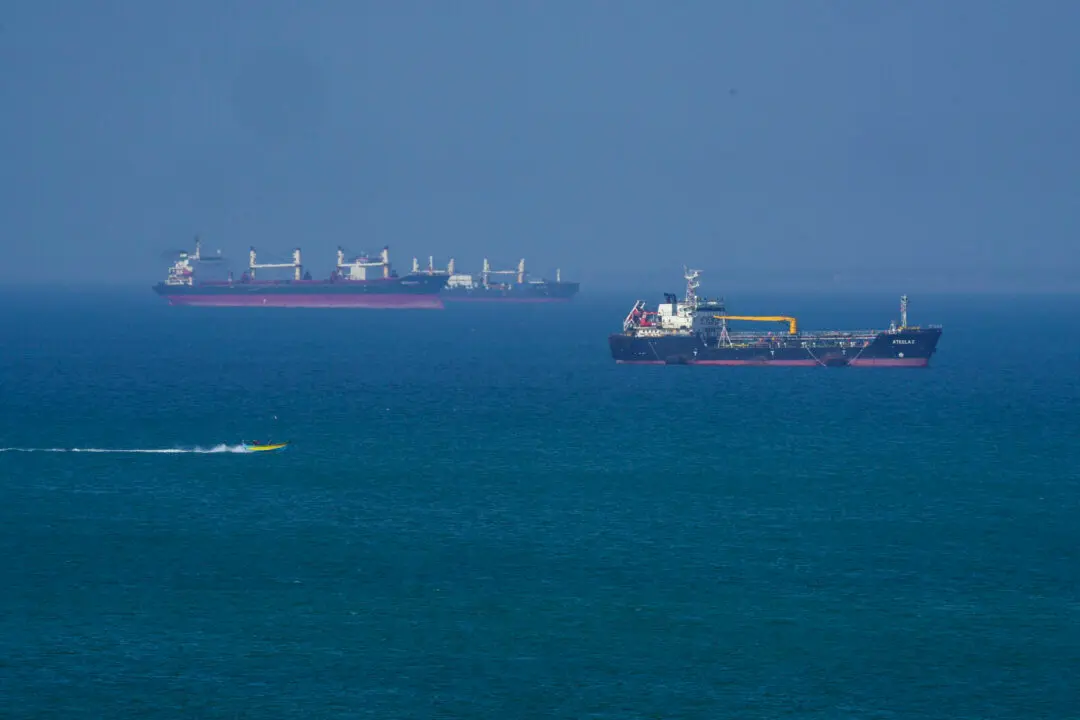
U.S. forces launched a new wave of strikes against Iran on Wednesday, expanding a campaign aimed at weakening Tehran’s ability to threaten commercial shipping in the Strait of Hormuz as tensions between the two countries continued to escalate.
U.S. Central Command (CENTCOM) said the operation began at 6 a.m. ET on July 15 and targeted military capabilities that Iranian forces have used in attacks on vessels transiting the strategic waterway.
“At 6 a.m. ET today, U.S. Central Command forces began launching a wave of strikes against Iran,” CENTCOM said in a statement posted on social media. “The strikes are designed to further degrade military capabilities Iranian forces have used to attack commercial shipping in the Strait of Hormuz.”
In a subsequent statement, CENTCOM said the morning operation ended at 7:30 a.m. ET and involved precision strikes against coastal defense systems as well as cruise missile storage and launch sites on Greater Tunb Island, a strategically located Iranian-controlled island near the entrance to the Strait of Hormuz.
The strikes mark the fifth straight day of U.S. military action against Iranian targets and come as Washington seeks to reassert control over one of the world’s most important energy corridors following a collapse in a fragile ceasefire agreement reached last month.

President Donald Trump signaled on Tuesday that the strikes could intensify in the coming days unless Tehran returns to negotiations.
“We’re going to hit them very hard tonight. We’re going to hit them very hard tomorrow night. We’re going to hit them very hard the night after,” Trump told Fox News on July 14.
Strikes to Weaken Iran’s Grip on Hormuz
The latest strikes follow a seven-hour U.S. operation on Tuesday that targeted dozens of military sites near the Strait of Hormuz and along Iran’s southern coast.CENTCOM said the attacks are intended to reduce Iran’s capacity to strike civilian shipping after what U.S. officials described as a sharp increase in attacks on commercial vessels.
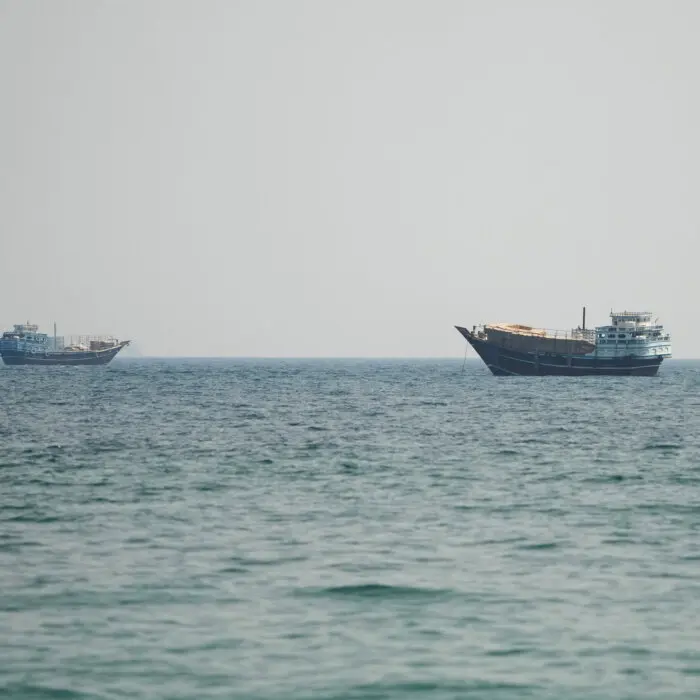
According to the U.S. military, Iranian forces have attacked seven commercial ships over the past week, leaving nearly a dozen crew members dead, injured, or missing.
CENTCOM commander Adm. Brad Cooper said Iranian forces had also launched dozens of missiles and drones toward neighboring Gulf countries.
“U.S. forces are holding Iran accountable for unwarranted aggression that continues to endanger innocent lives,” Cooper said in a statement issued after Tuesday’s strikes.
The United States has more than 20 Navy warships and hundreds of military aircraft now operating across the Middle East, according to CENTCOM, which described American forces in the region as “vigilant, lethal, and ready.”
Iran Threatens Energy Disruption
Iran has responded to the renewed U.S. offensive by threatening to disrupt additional shipping routes across the region, in an apparent threat to shipping through Bab el-Mandeb, a key Red Sea gateway.The Islamic Revolutionary Guard Corps (IRGC) said Wednesday that the United States “must brace for the closure of all other export corridors that benefit the U.S. and its allies.”
“Regional energy exports are either shared by all, or denied to all,” the group said.
Some analysts said Iran could increasingly rely on its Houthi allies in Yemen to threaten shipping through the Bab el-Mandeb strait, which links the Red Sea to the Gulf of Aden and serves as another key artery for global trade.
“Iran is willing to go all the way,” Middle East scholar Fawaz Gerges said, adding that Tehran was signaling to Washington that it can threaten both chokepoints simultaneously—the Strait of Hormuz and the Bab el-Mandeb Strait.
“Now [Tehran] is escalating both near and wide,” Gerges said. “The message is that not only Hormuz, but Bab el-Mandeb, is at risk.”
“They mark the conflict’s horizontal escalation, expanding from the Strait of Hormuz into the Red Sea,” Kpler said in a post on X. “Saudi Arabia invested for years in the East West Pipeline and Yanbu to preserve exports if Hormuz became disrupted. If the Bab el Mandeb also becomes contested, policymakers will be managing risks across two critical maritime chokepoints rather than one.”
A senior Houthi official warned earlier this week that the group was prepared to close the waterway if Saudi Arabia continued military operations in Yemen, according to Iranian state media.
“If the current situation aggravates, the Bab el-Mandeb Strait and the Strait of Hormuz will be closed in an operational alliance. Oil prices would then skyrocket to $200 a barrel in a dreadful shock,” said Mohammed al-Farah, a member of the political bureau of Ansarullah, the Houthi movement, according to Iran’s state-run Press TV.
The IRGC said Wednesday that the Strait of Hormuz would remain closed.
Before the war began in February, roughly one-fifth of the world’s oil and gas shipments passed through the Strait of Hormuz every day.