The United States launched a third night of strikes against Iran July 13 aimed at degrading Iran’s ability to attack civilians and commercial shipping in the Strait of Hormuz, U.S. Central Command reported.
U.S. and Iranian military forces exchanged heavy missile and drone attacks over the weekend and into Monday, marking an escalation in the conflict after an interim ceasefire agreement between the countries unraveled.
Any country doing business with Iran won’t be able to get through the strait, Trump said when asked about the offensive during a press conference Monday.
“It’s a very strong blockade,” he said.
The president called the latest fighting a “military skirmish” after the deal fell through with negotiators two days ago.
The administration’s previous policy was to keep the strait open to all traffic without tolls.
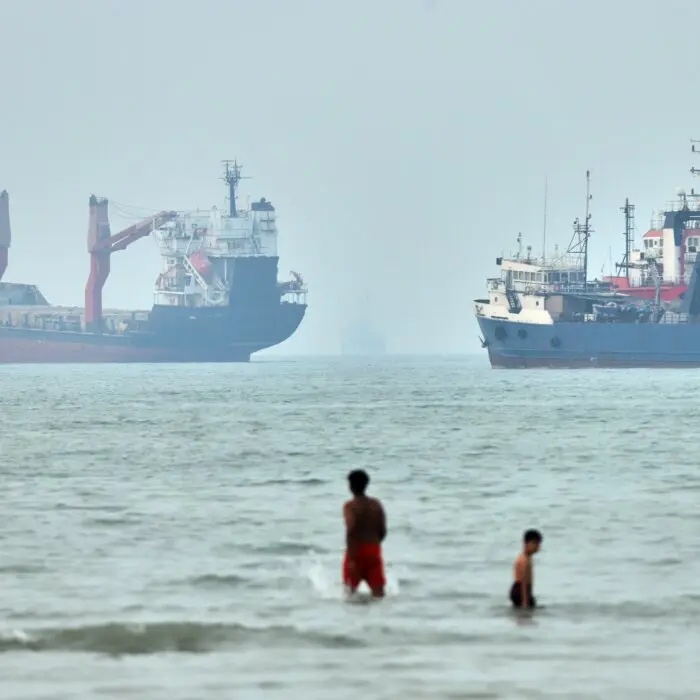
Before the war started in February, an average of more than 130 vessels and oil tankers—about 20 percent of the world’s oil and natural gas supply—regularly passed through the waterway daily.
“This is what they’ve done for 47 years,” Trump said. “The difference is, nobody negotiated like I do.”
“We’re taking out all of their capability for anything having to do with the Hormuz Strait,” Trump said of Iran at the Monday press conference. “And, I think in the end, we will end up controlling the whole thing. What they’re doing is being foolish. It’s really a terrible situation but we’ll have it under control very quickly.”
Iran’s Foreign Minister Seyed Abbas Araghchi agreed with Trump about charging for safe passage through the Strait of Hormuz but contested that Iran would remain in charge of the duty.
“Iran has always been the guardian of the Strait and will remain so forever,” Araghchi responded to Trump’s announcement of a charge on X. “20% is of course too much. We will be fair,” he said of the U.S. rate.
U.S. Central Command, directing military operations in the Iran conflict, reported that its rounds of strikes were imposing a high cost on Iranian forces.
“During the five-hour mission, U.S. forces successfully struck military targets across Iran including Bushehr, Chah Bahar, Jask, Konarak, Abu Musa, and Bandar Abbas to further degrade Iran’s ability to attack commercial shipping,” it said. “CENTCOM forces employed precision munitions against Iranian coastal defense systems, missile and drone sites, and maritime capabilities.”
American forces began enforcing the blockade against vessels transiting to and from Iranian ports and coastal areas earlier in the day.
Forces redirected more than 140 compliant ships, disabled nine non-compliant vessels, and allowed over 50 commercial ships supporting humanitarian aid to pass through the blockage during the last two-month period, according to Central Command.
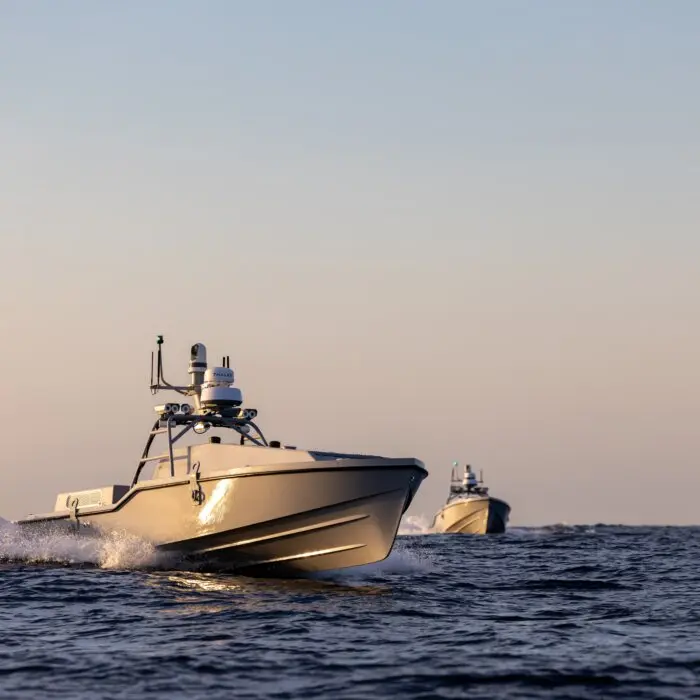
U.S. drones successfully struck an Iranian submarine and ship maintenance facility on Sunday, marking the first time American forces used sea drones in combat operations.
In a related development, U.S. Secretary of State Marco Rubio was also looking into reports of Iranian drones being sent to Cuba, Trump said.
Iran’s Islamic Revolutionary Guards Corps (IRGC) said in a statement Monday that the only way to restore shipping traffic through the strait was to stop U.S. military strikes in the waterway, which only target transit to Iranian ports. Meanwhile, Iran has been striking the traffic on Oman’s side of the strait.
The United Arab Emirates’ Defense Ministry said early Tuesday that Iran attacked two tankers, Mombasa and Al Bahiyah, in the Strait of Hormuz, killing one mariner and wounding eight others.
“The UAE reserves its full right to respond to this escalation and to take all necessary measures to protect its territory, its citizens and residents,” the Defense Ministry said.
Iran also attacked Bahrain early Tuesday morning in another round of strikes responding to the U.S. strikes over its tanker attacks. Bahrain sounded its missile alert sirens three times, urging the public to seek shelter.
Jordan’s military said Tuesday it intercepted four missiles from Iran, according to a statement carried by the kingdom’s state-run Petra news agency. Jordan hosts U.S. forces and has also come under attack by Tehran in recent days.
The IRGC accused the United States of violating the ceasefire deal by attacking Iran’s transport infrastructure, fishing boats, cargo barges, and meteorological facilities over the weekend in a Monday post on X.