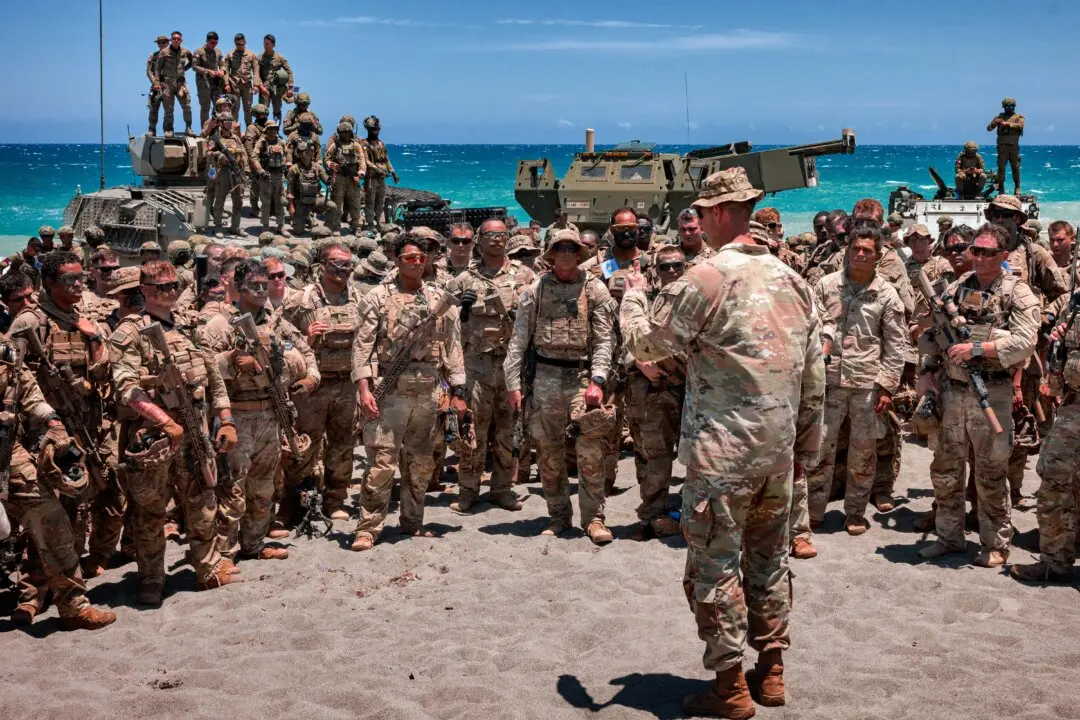
Middle East tensions escalated Wednesday as U.S. forces used Hellfire missiles to disable a commercial vessel attempting to breach the American naval blockade against Iran, while the death toll from an Iran-backed Houthi attack on a ship in the Red Sea rose to six.
U.S. Central Command said on Aug. 12 that its forces disabled the steering gear of the Panama-flagged Vela Nova as the cargo vessel attempted to transit the Gulf of Oman and sail toward an Iranian port in violation of the U.S. blockade.
A U.S. Navy MH-60 helicopter fired two Hellfire missiles into the vessel’s engine room after its civilian crew ignored repeated warnings from American forces.
“The ship is no longer transiting to Iran in violation of the U.S. blockade, which remains in full effect,” the command said in a post on X.
Central Command said that as of Aug. 11, U.S. forces had redirected 55 commercial vessels attempting to run the blockade, disabled three noncompliant ships, and boarded two.
“U.S. forces operating in the Middle East are highly vigilant, lethal, and ready,” the command said.


The Vela Nova was believed to have been struck roughly 71 nautical miles off the coast of Pakistan, according to the British maritime risk management group Vanguard.
America’s blockade of Iranian ports was initially imposed in April and reimposed on July 14 after renewed hostilities.
“The blockade will be enforced impartially against vessels of all nations entering or departing Iranian ports and coastal areas, including all Iranian ports on the Arabian Gulf and Gulf of Oman,” Central Command said at the time.
U.S. President Donald Trump said Tuesday that the United States has “total control” over the Strait of Hormuz, while threatening that Iran would get “blown away” if its forces “do something.”
Iran has refuted Trump’s claim regarding the critical maritime chokepoint, over which Tehran has been asserting control.
The country’s semi-official Tasnim news agency cited Mohsen Rezaie, the head of Iran’s Supreme National Security Council, as saying that the strait “will not be opened” as long as the United States “does not change its behavior and does not accept Iran’s conditions.”
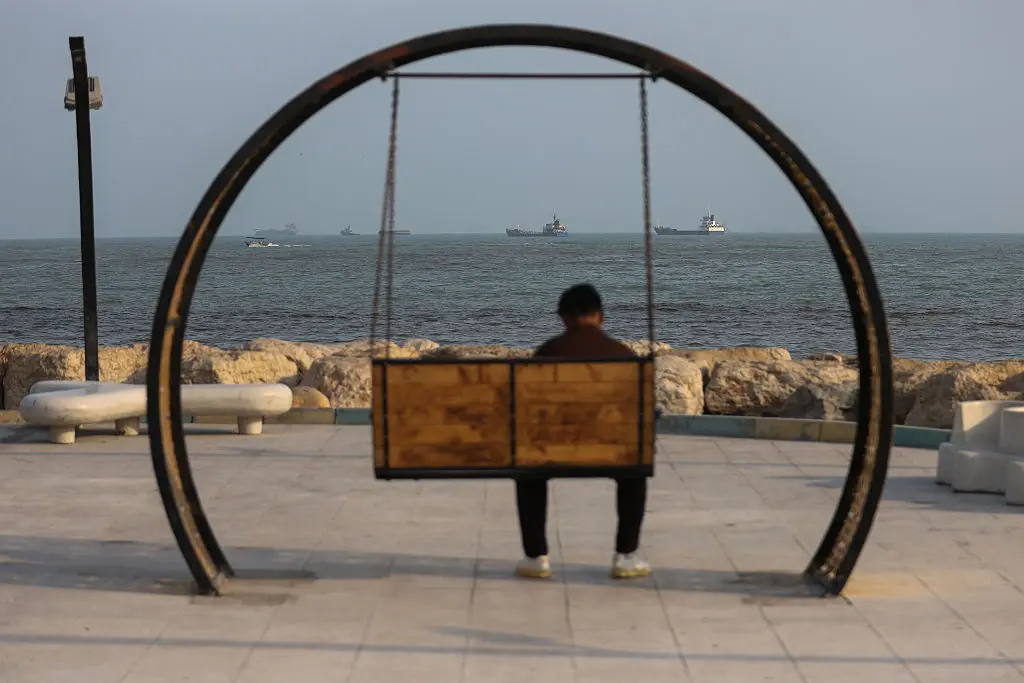
6 Killed in Red Sea Attack
The latest U.S. action to enforce its naval blockade of Iranian ports came as the casualty toll rose from an Aug. 11 Houthi attack on the Egyptian-owned cargo ship Tihamah in the Bab el-Mandeb strait, another key maritime chokepoint that has increasingly been targeted amid the ongoing conflict.
Four crew members—three Pakistanis and one Indonesian—were killed in the attack, according to Pakistani and Yemeni officials. Two Yemeni rescuers from the National Resistance Forces (NRF), an anti-Houthi military group, were also killed after the Houthis struck again following the arrival of rescue crews, Yemen’s Coast Guard said.
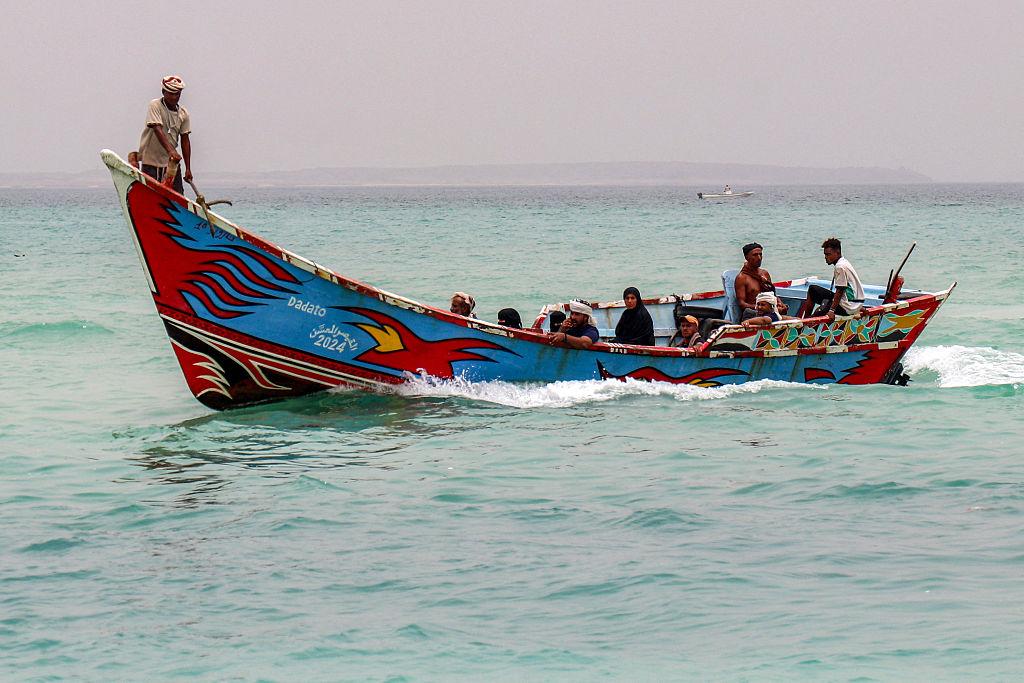
Ten people were injured, including seven crew members, two Coast Guard personnel, and one NRF member. The fatalities were the first confirmed deaths in a Houthi attack on commercial shipping since the U.S.–Iran war began on Feb. 28.
The Houthis later claimed responsibility for attacking a vessel in the Bab el-Mandeb, saying it was carrying Saudi military equipment, although they did not identify the ship. The claim could not be independently verified.
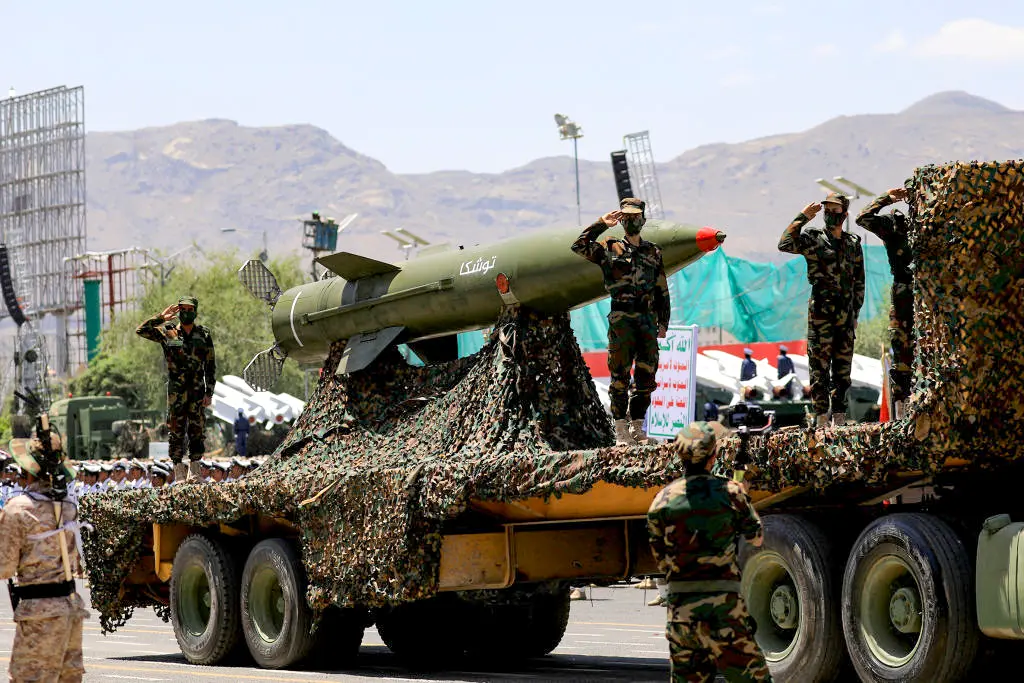
The Iran-backed group declared a maritime embargo against Saudi Arabia in the Red Sea on July 20 in response to what it described as a Saudi siege. Riyadh has denied that Yemen is under siege.
International Maritime Organization Secretary-General Arsenio Dominguez condemned the Tihamah strike as an “indefensible attack on international shipping,” warning that continued attacks threaten global supply chains and calling for greater protection for seafarers.
The latest attacks added to concerns over Middle East energy supplies, with both the Strait of Hormuz and Bab el-Mandeb serving as critical routes for oil and gas shipments.
Brent crude futures rose 90 cents, or 1 percent, to $89.81 a barrel as of 3:57 a.m. ET on Aug. 12, while U.S. West Texas Intermediate crude climbed 88 cents, or 1.1 percent, to $84.08. Both benchmarks had earlier gained more than $1.