The U.S. Treasury Department on Jan. 29 issued a general license easing some sanctions on Venezuela’s oil industry, authorizing established American companies to engage in the sale, transport, and refining of the country’s crude shortly after Venezuelan lawmakers approved changes to the nation’s main oil law.
The Treasury Department notes that the license does not authorize “any transaction involving a person located in or organized under the laws of” Russia, Iran, North Korea, Cuba, or China.
Companies must report transaction details, including parties, quantities, values, and payments, to U.S. authorities.
OFAC Director Bradley T. Smith signed the license, effective immediately.
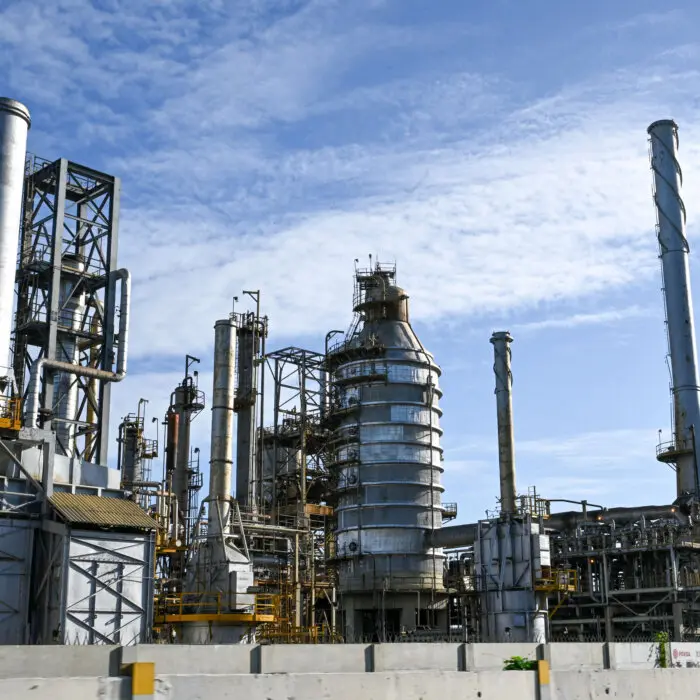
After passing a final vote, acting leader Delcy Rodríguez signed the measure on Jan. 29, reversing decades of socialist policies under former leader Nicolás Maduro and his predecessor, Hugo Chávez. The changes include lower taxes, expanded ministerial powers for contracts, and potential asset transfers.
ExxonMobil is considering a return to Venezuelan operations, while Chevron plans an immediate production boost.
The developments follow the Jan. 3 U.S. capture of Maduro and his wife, Cilia Flores, in Caracas, ending his rule amid narco-terrorism charges. Maduro and Flores have pleaded not guilty to the charges.
The United States has seized multiple sanctioned tankers linked to Venezuelan oil, including the Sophia and Bella-1, to block alleged shadow fleet operations.
Venezuela, with the world’s largest proven oil reserves, saw output plummet due to mismanagement and sanctions, first imposed by the United States in 2017.
Chevron aims to boost exports to 300,000 barrels per day (bpd) to the United States in March, up from 100,000 bpd in December 2025. Oil traders such as Vitol and Trafigura have secured licenses.