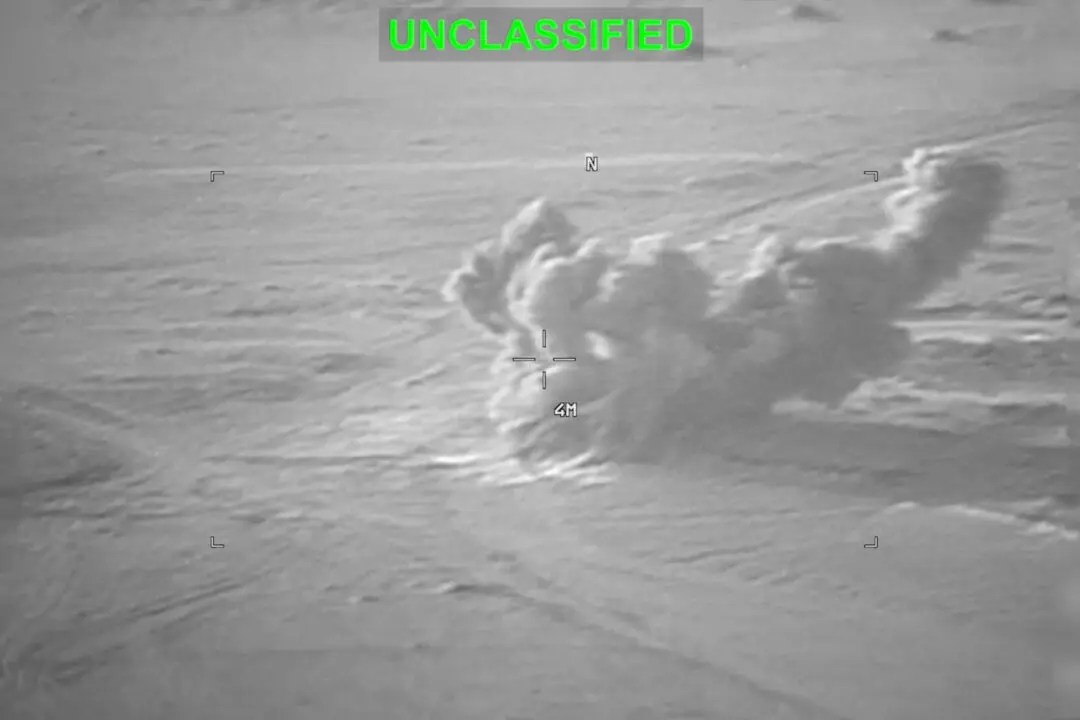
The United States on July 20 began its 10th consecutive day of strikes against Iran, according to U.S. Central Command (CENTCOM). The announcement came after President Donald Trump vowed that the United States will retaliate over any American deaths in the conflict.
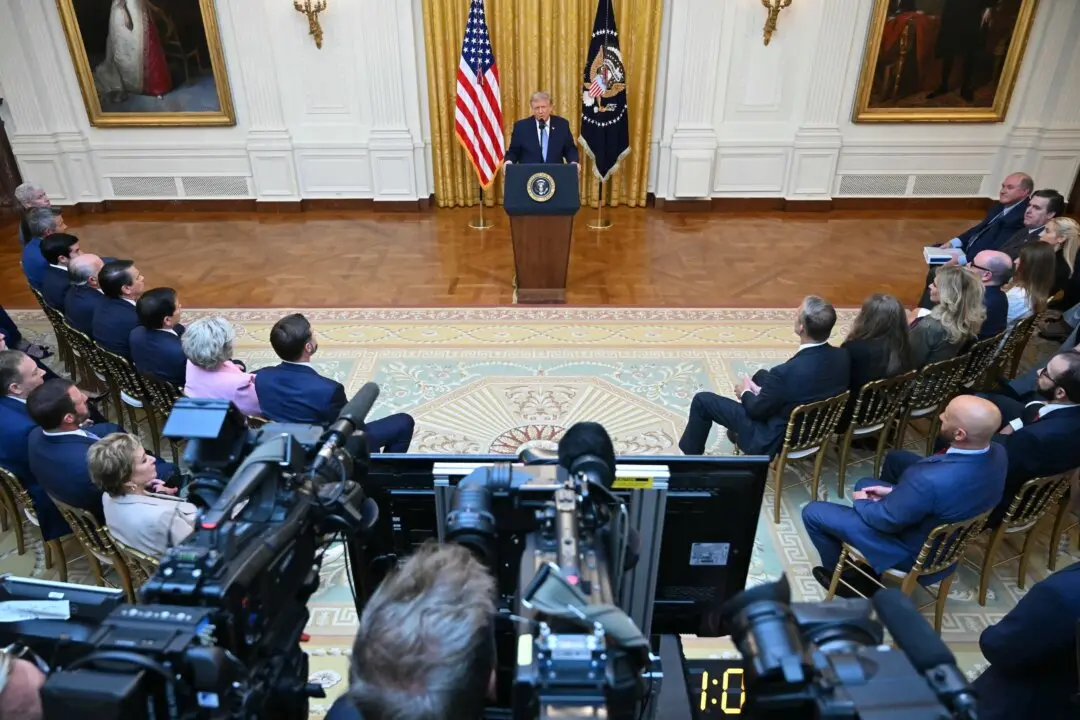
In a July 20 post on Truth Social, Trump said that any killing of a U.S. service member would be avenged “many times over.”
“Every time Iran kills an American Soldier they will pay for that killing many times over! This directive has been passed on to Secretary of War, Pete Hegseth, Chairman of the Joint Chiefs of Staff, Daniel Caine, and every Leader in the Military,” Trump wrote in the post around noon.
Three American service members have been killed in the Middle East in recent days.
According to CENTCOM, one American service member was killed in Iraq on July 18 during “a controlled detonation of unexploded ordnance” on a downed Iranian attack drone, while another was injured.
Two other U.S. service members died in Jordan, and a third remains missing following an Iranian attack launched on July 17. CENTCOM said that unidentified remains have been found at the site and that the examination process to identify them is ongoing.
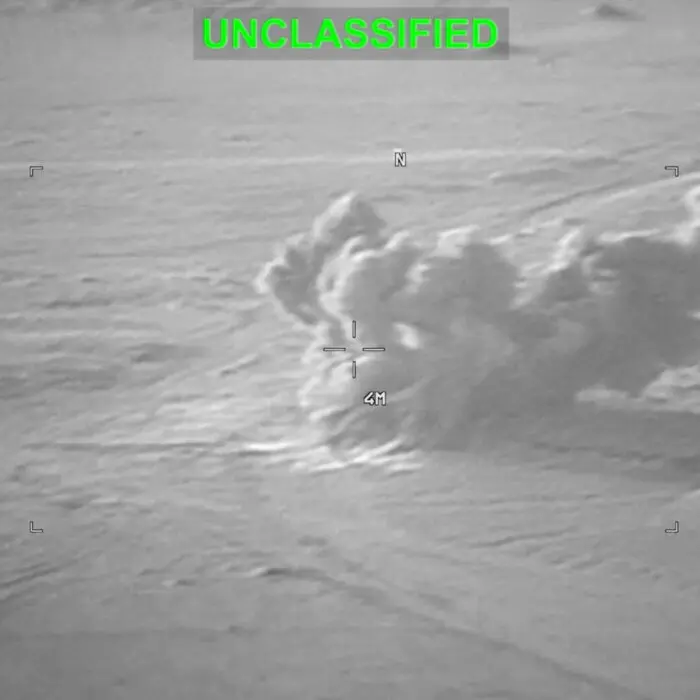
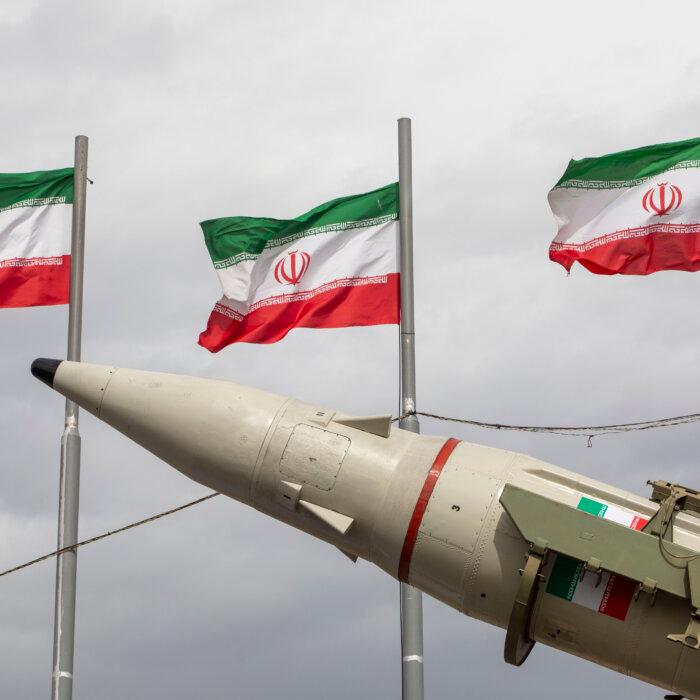
According to the military, a new wave of strikes began early Monday evening.
Trump said a previous round of strikes was carried out on July 19 in honor of the three American service members killed in recent days.
“We hit them very hard again tonight, and we did that in honor of the probably three, as opposed to two, great patriots,” Trump told reporters at Joint Base Andrews in Maryland on July 19.
The United States and Iran have traded strikes after Iran attacked several commercial ships in the Strait of Hormuz, despite a ceasefire reached last month that called for the full reopening of the strait, a critical waterway through which a significant share of global oil and gas shipments passes.
The two nations have disagreed about crucial provisions of the June memorandum of understanding that sought to bring an end to the conflict.
After the memorandum was signed, the U.S. Navy began escorting commercial vessels through a southern corridor of the strait. However, Tehran demanded that vessels use a northern route, which includes a field of underwater mines.
Tensions had already escalated after Iranian forces shot down a U.S. Apache helicopter over the Strait of Hormuz last month. After Iran began attacking ships using the southern route, hostilities resumed.
On July 19, following a previous wave of airstrikes, explosions were reported in Iran’s southern Hormozgan Province and the northwestern city of Tabriz, according to Tehran news agencies.
The Iranian Army retaliated by carrying out drone attacks targeting two U.S. military sites in Kuwait on Sunday, state media reported.
Kuwait’s military said in a post on X that its forces responded to “hostile ballistic missiles and drones” from Iran and accused the Persian state of targeting the nation’s civilian and critical infrastructure, saying the strikes hit facilities affiliated with the Kuwait Ministry of Electricity, Water, and Renewable Energy, causing severe damage.