Silicon Valley startup Lyten will acquire Northvolt Dwa in Poland to expand its lithium-sulfur technology into Europe, as the continent seeks alternatives to Chinese-controlled supply chains.
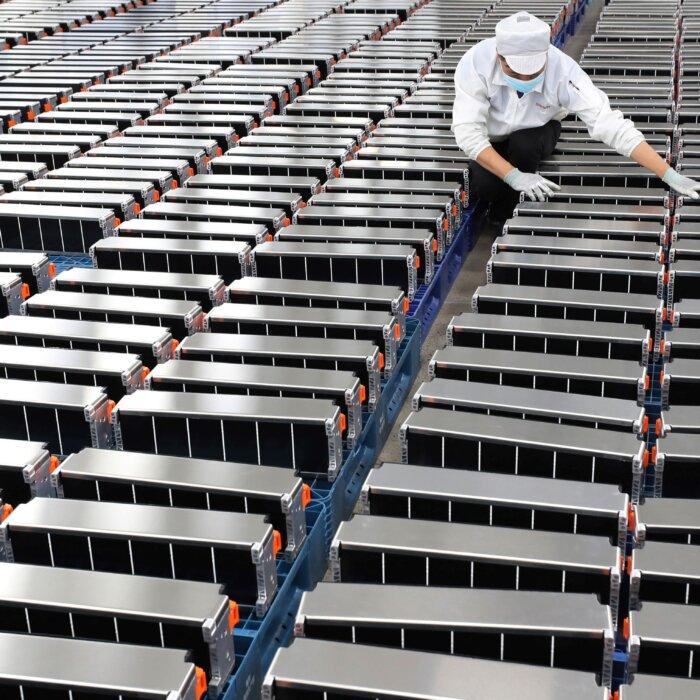
Over the past three decades, Beijing has maintained a grip on the production and manufacturing of every component of battery cells, the current lithium-ion batteries that are integral to modern society.
“We plan to immediately restart operations in Poland and deliver on existing and new customer orders,” Dan Cook, Lyten CEO and cofounder, said in a statement.
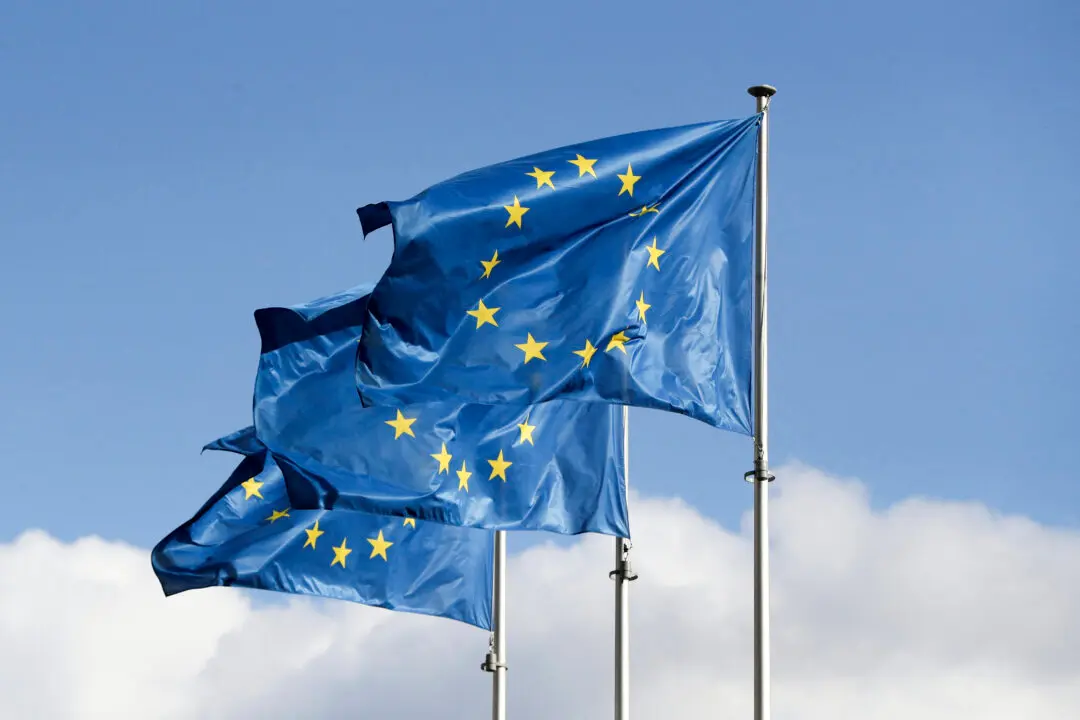
The European Union had tried to break its reliance on China and pinned its hopes on battery manufacturer Northvolt to light the way.
Lithium-ion batteries, used in a huge range of electronic devices, from smartphones to laptops, are also the dominant power source for EVs, because of their high energy density, lightweight design, and ability to be recharged.
However, the capital-intensive process of assembling them proved too complex in Europe.
This followed a Chapter 11 bankruptcy filing by Northvolt’s U.S. subsidiary in California in August 2024, which cited mounting losses and persistent production issues.
Under the European Green Deal, starting in 2035, new cars on the market cannot emit carbon dioxide, making it illegal to sell new fossil fuel-powered vehicles in the bloc, part of a push to electrify transport and meet climate goals.
The European Battery Alliance, launched in 2017 by the European Commission, has the political objective of ensuring that European manufacturers produce 90 percent of the EU’s annual battery deployment needs in 2030.
He also said at the time that Lyten acquired some of Northvolt’s assets in California after Northvolt filed for Chapter 11 bankruptcy.
He said that although start-ups such as his could not compete with China in terms of lithium batteries, they could create their own game by making entirely new kinds of technology.
“[The United States and Europe] are not going to win and create a position for ourselves as the global player of batteries by trying to recreate what China did on lithium-ion batteries,” he said.
He said that if he were advising the EU, he would tell the bloc to designate all materials for all batteries as critical “because of how critical batteries are.”
“We see it as a national security issue,” he said.
Christensen said Beijing has restricted the export of battery materials to the West because it doesn’t want other countries to manufacture them; it wants to sell the finished products instead.