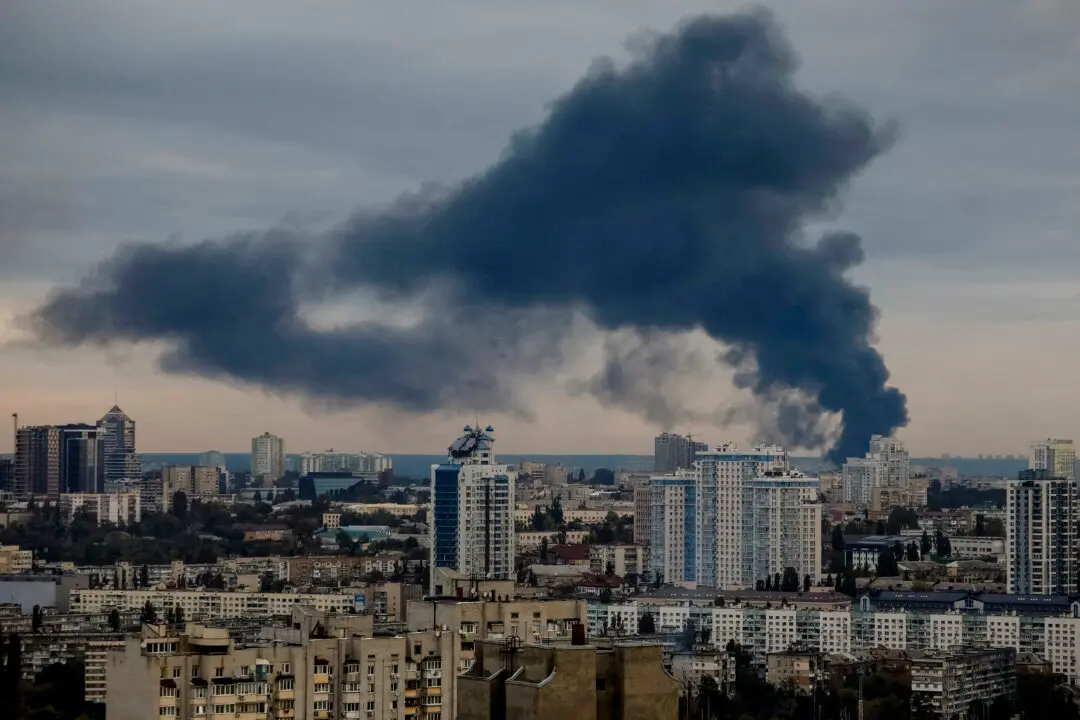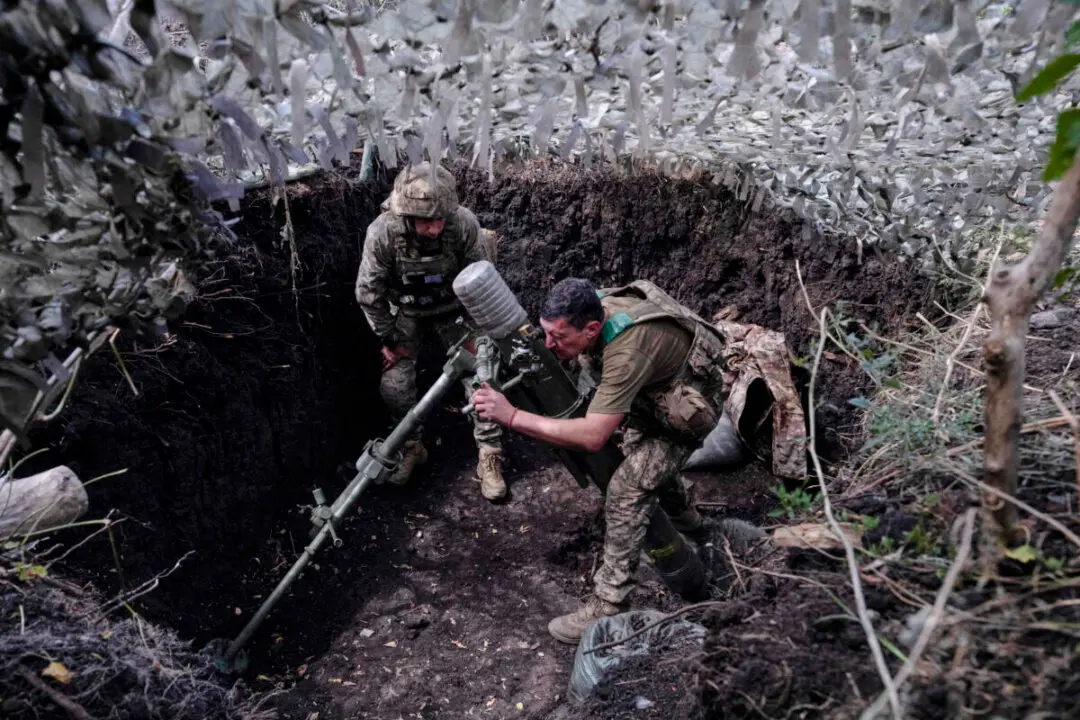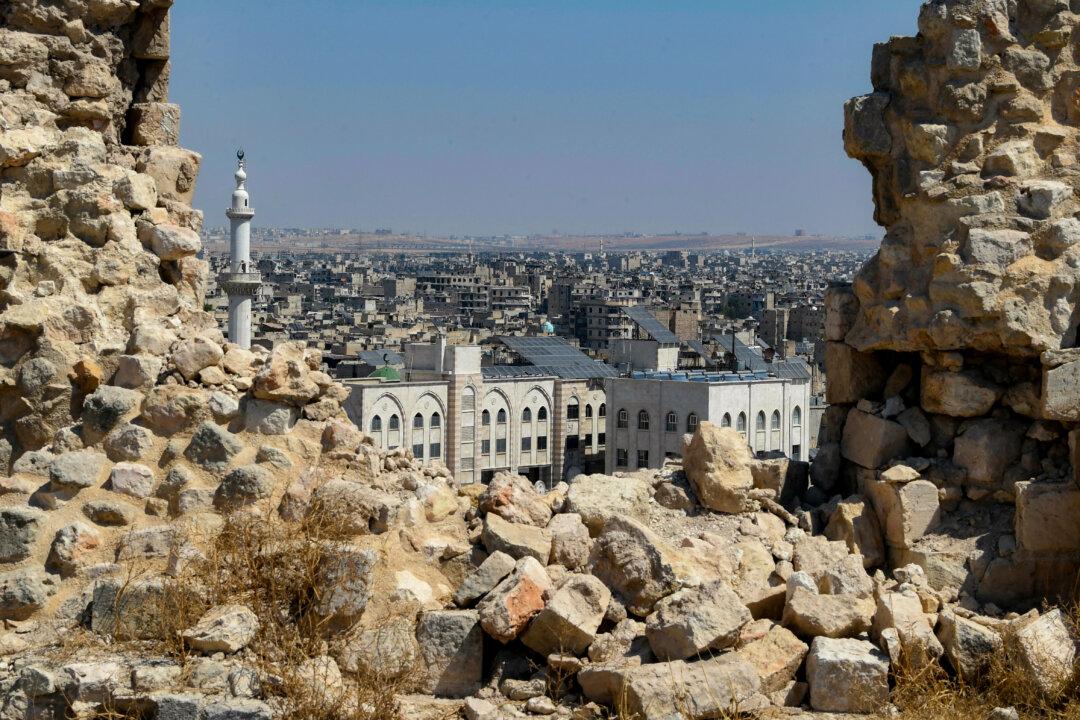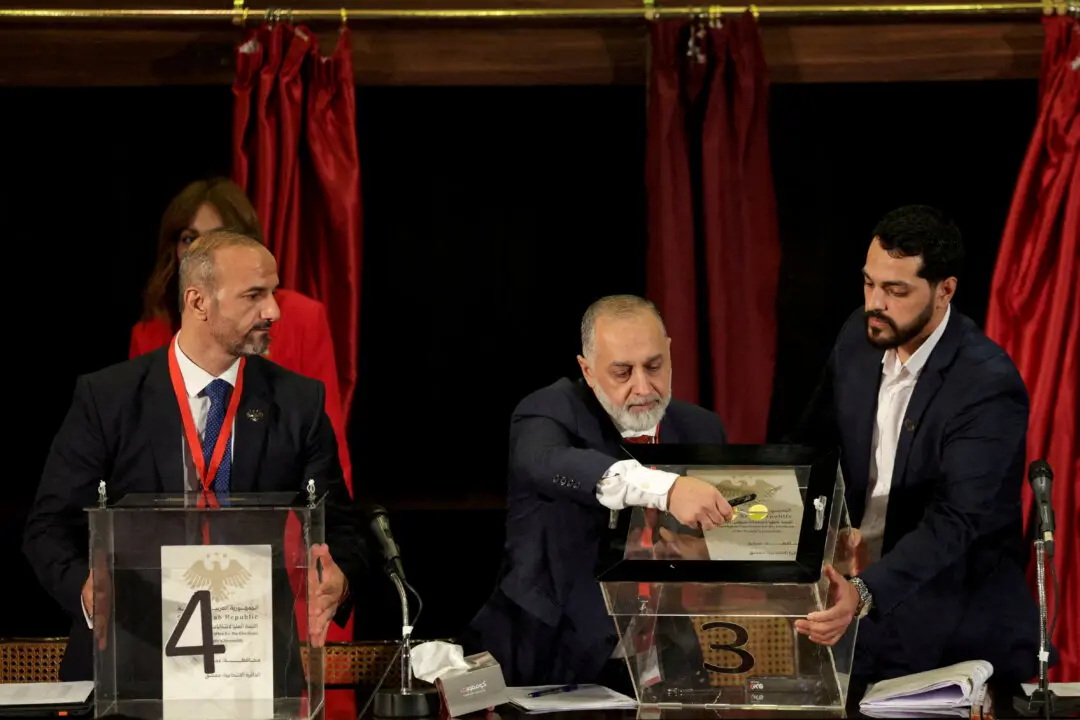
Syria’s first parliamentary election under its new Islamist leadership, set for September, will not include the strife-torn southern province of Suweida and the northeastern Raqqa and Hasaka provinces, according to Syrian officials.
Over the weekend, Syrian media outlet Al-Ekhbariya, citing an electoral commission official, reported that voting in the three provinces would be postponed until “appropriate conditions” for conducting polls are in place.
In recent weeks, the southern Suweida province has been rocked by intermittent sectarian violence that has claimed hundreds of lives.
The province is home to the region’s largest concentration of Druze, a minority religious sect that adheres to an offshoot of Shiite Islam.
Violence first erupted in mid-July, when Sunni tribesmen clashed with armed members of the Druze community, prompting the government to send security forces to the area with the ostensible aim of quelling the unrest.
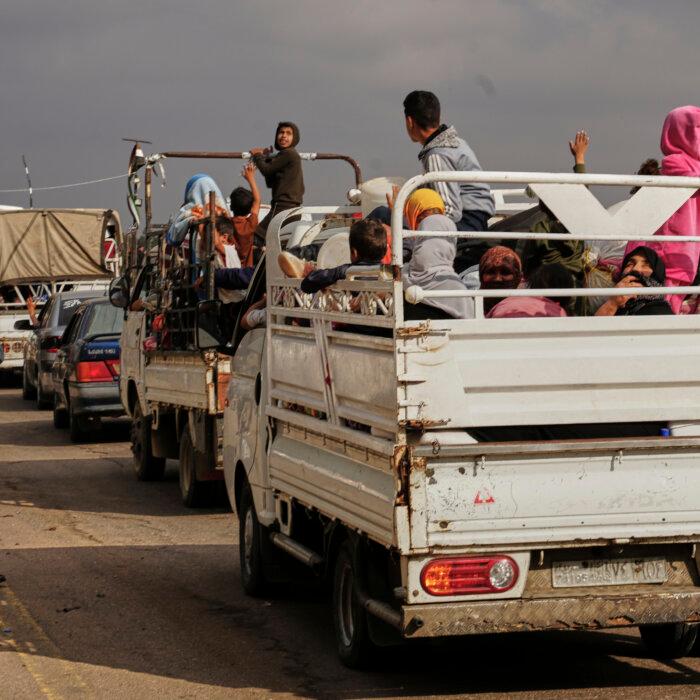
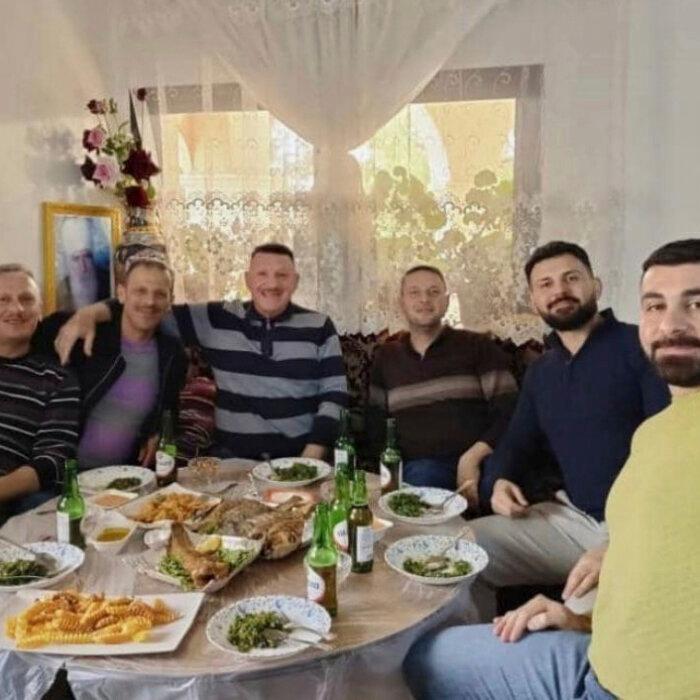
Soon, however, clashes broke out between government forces and Druze fighters who oppose the deployment of government troops in the province.
Following three days of clashes, the Syrian Defense Ministry announced a cease-fire after holding consultations with local Druze leaders.
Simultaneously, Israel, which is also home to a Druze community, struck Syrian government positions—including Defense Ministry headquarters—with the aim of “protecting” Syria’s Druze minority.
In early August, limited clashes resumed in Suweida after Damascus accused Druze militias of attacking government positions.
Vote Postponed in Hasaka, Raqqa
Syria’s northeastern Hasaka and Raqqa provinces, where the upcoming poll has also been postponed, are largely controlled by the Syrian Democratic Forces (SDF), a Kurdish-led fighting force backed by the United States.DAANES, which functions in conjunction with the U.S.-backed SDF, said that, in any event, the scheduled elections “are not democratic and do not express the will of the Syrians in any way.”
“They represent nothing but a continuation of the approach of marginalization and exclusion,” it said in an Aug. 24 statement.
It went on to assert that Hasaka and Raqqa, contrary to the government’s claims, are relatively safe compared to other parts of the conflict-racked country.
In December 2024, the long-ruling regime of Syrian leader Bashar al-Assad was ousted from power by a Turkey-backed rebel offensive led by Hayat Tahrir al-Sham (HTS), an armed Sunni faction with previous ties to the al-Qaeda terrorist group.
Since January, HTS leader Ahmed al-Sharaa, previously known as Mohamed al-Golani, has served as Syria’s interim leader.
In February, al-Sharaa, who has pledged to protect Syria’s disparate religious minorities, said it would likely take up to five years before the country was ready to hold its first post-Assad presidential election.