On Sept. 19, the council rejected a resolution put forward by South Korea, which currently holds the rotating presidency of the 15-member body.
The measure was voted down by nine members.
Four countries, including China, Russia, Pakistan, and Algeria, backed the resolution.
The decision activates the “snapback” mechanism, under which all U.N. sanctions that were in place prior to the 2015 Joint Comprehensive Plan of Action (JCPOA) will automatically be reinstated on Sept. 27 unless a new agreement is reached.
The action plan was intended to limit Iran’s nuclear activities in exchange for sanctions relief.
Restored sanctions would freeze Iranian assets abroad, impose an arms embargo, and restrict activities linked to ballistic missile development.
France, Germany, and the United Kingdom, collectively known as the E3, along with China and Russia, are signatories to the JCPOA.On Sept. 17, the foreign ministers of Germany, France, and the UK, together with Kallas, held a phone call with Iranian Foreign Minister Abbas Araghchi.
The discussion followed an agreement reached between Iran and the International Atomic Energy Agency (IAEA) the previous week on resuming cooperation, including the inspection of nuclear sites.
Western diplomats, however, said that Iran has not taken the steps needed to avoid the reapplication of sanctions.

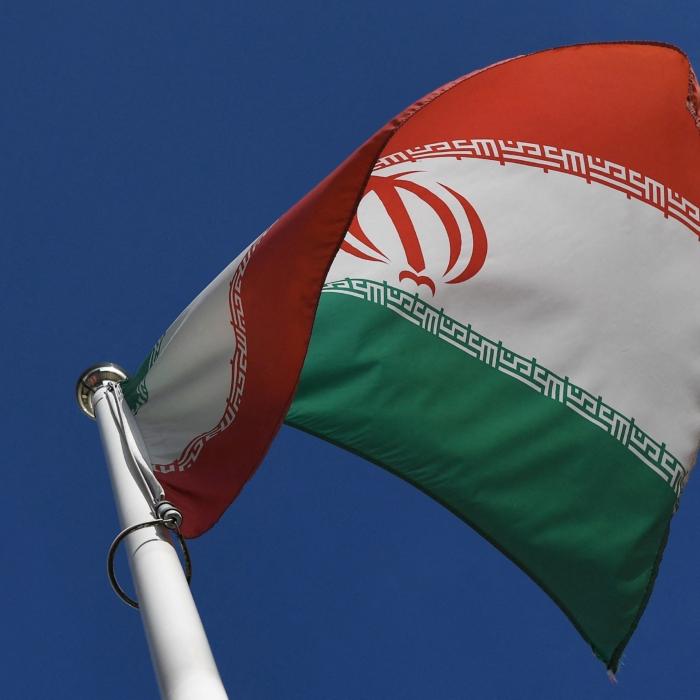
Ahead of the vote, French President Emmanuel Macron confirmed that the “snapback” mechanism under U.N. Resolution 2231, which restores sanctions if Iran breaches the 2015 nuclear deal, would be triggered.
When asked in an interview on Thursday on Israel’s Channel 12 whether the “snapback” was a done deal, Macron said, “Yes, I think so because the latest news we had from the Iranians is not serious.”
“Why should President Macron be ‘rushing’ to select an Israeli TV channel to reject what he admits to be a reasonable proposal from Iran and instead reassure his ’selected‘ audience that snap-back is a ’done deal'?!” he wrote on X.
US Withdrawal and Rising Tensions
The United States withdrew from the JCPOA in 2018 during U.S. President Donald Trump’s first term.Washington said at the time that the deal failed to address Iran’s ballistic missile program, did not adequately protect U.S. security interests, and lacked robust verification measures.
“Iran’s persistent lack of transparency with the IAEA—and particularly Iran’s nuclear escalations—are unacceptable. If it wasn’t already clear enough, I will restate the United States’ position on Iran,” he said.
“Iran’s nuclear weapons pathway, including all enrichment and reprocessing capabilities, must be completely dismantled.”
His remarks followed months of escalating tensions.
U.S. officials and Trump have said that strikes carried out by B-2 stealth bombers destroyed Iran’s ability to enrich uranium at three sites: Fordow, Natanz, and Isfahan.
Several intelligence assessments have been leaked to the media suggesting otherwise; however, they have drawn criticism from Trump and others.
Iran and the United States were attempting to negotiate a new deal to replace the JCPOA, with a sixth round of negotiations set to take place in Muscat, the capital of Oman, on June 15.
Those talks were canceled following the Israeli strikes.