Ukraine’s top security chief, Vasyl Malyuk, has stepped down as head of the Security Service of Ukraine, as President Volodymyr Zelenskyy accelerates a broader wartime reshuffle of senior defense, security, and diplomatic leadership.
“I am confident that a strong and modern special service is the guarantor of our state’s security,” Malyuk said. “Eternal honor to those who gave their lives for our future.”
“There must be more Ukrainian asymmetric operations against the occupier and the Russian state, and more solid results in eliminating the enemy,” Zelenskyy wrote. “I tasked Vasyl Malyuk with making our asymmetric operations the strongest in the world. The necessary resources and political support are in place.”

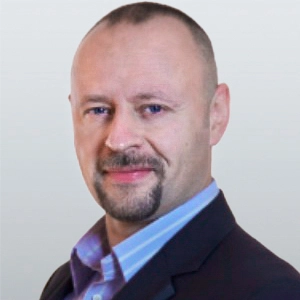
Khmara, who has overseen high-risk special operations throughout the nearly four-year war, was named acting head of the SBU under the Jan. 5 presidential decree. Zelenskyy said he and Malyuk also discussed candidates for a permanent appointment.
Zelenskyy said he met with Khmara on Jan. 5 and that the two men discussed scaling up the operations of the Center “A” special operations unit, as well as opportunities to bolster the “institutional development” of the SBU.
Wider Wartime Reshuffle
The leadership change at the security service comes amid a broader reshaping of Ukraine’s wartime government, as Kyiv seeks to tighten coordination between intelligence, defense, diplomacy, and technology while fighting continues and negotiations to end the conflict inch forward.On Jan. 5, Zelenskyy said Foreign Minister Andrii Sybiha had presented plans for diplomatic rotations, including the selection of a new first deputy foreign minister, while separate discussions with newly nominated Defense Minister Mykhailo Federov focused on reforms aimed at accelerating weapons development, drone deployment, and battlefield technology.
“Russia has one significant advantage in this war—the ability to apply pressure through the scale of its strikes and assaults against Ukraine,” Zelenskyy wrote. “We must respond with more active use of technology, faster development of new types of weapons, and new tactics.”
He also met several senior SBU commanders on Jan. 5, praising counterintelligence and special-operations officers for strikes on Russian forces and signaling plans to expand those capabilities.
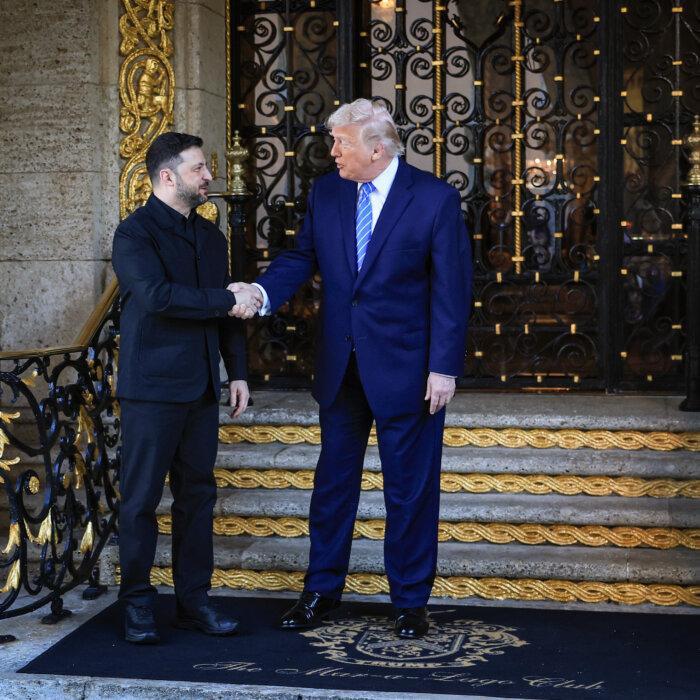
“My signature will be placed on a strong agreement. And that is exactly what every meeting, every phone call, every decision is about now,” he said. “To secure a strong peace for everyone; not for a day, a week, or two months, but peace for years.”